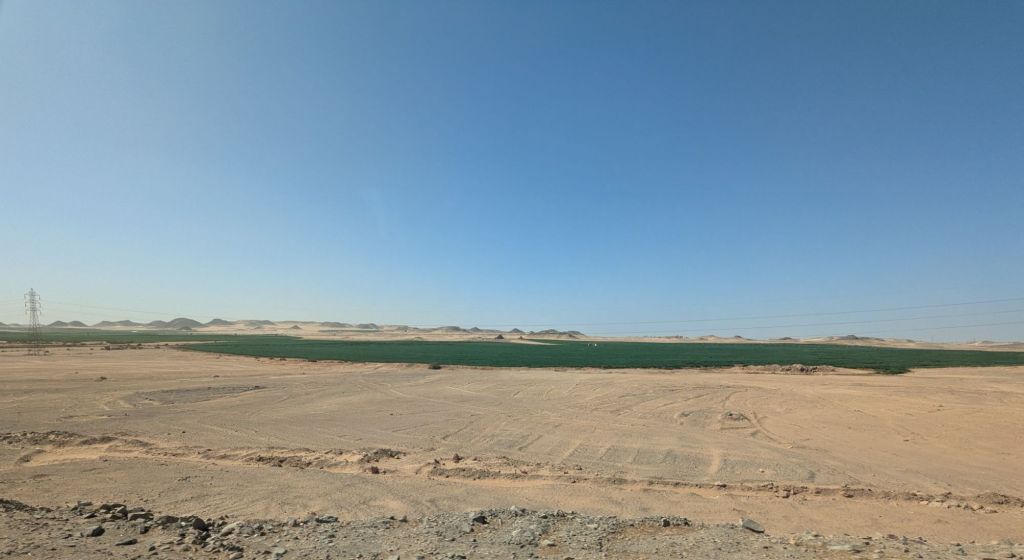
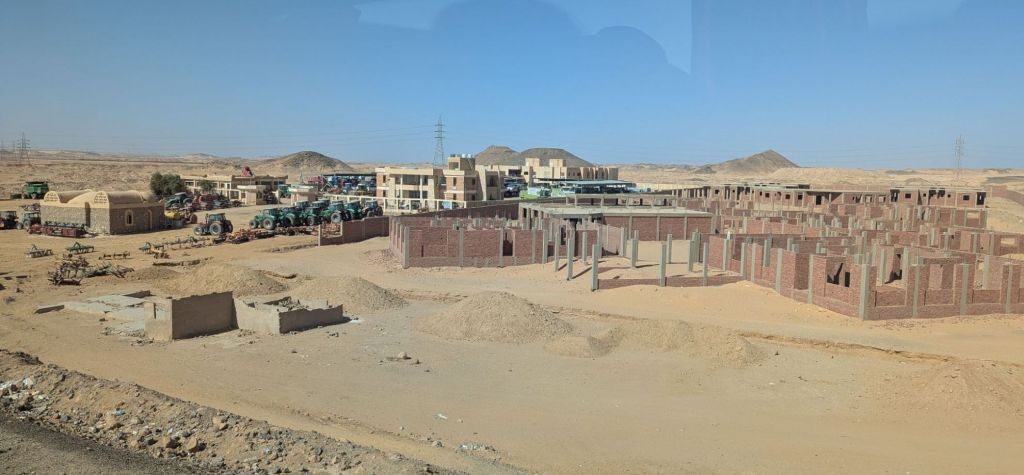
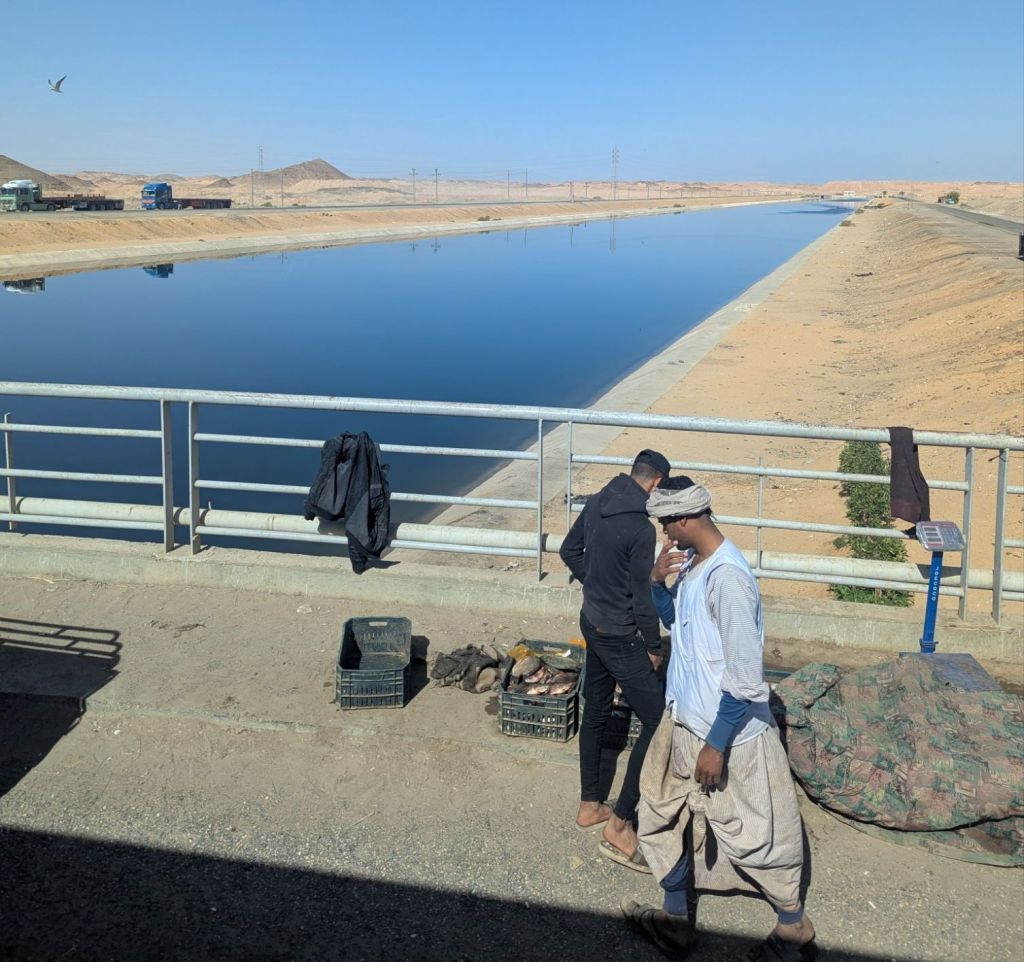
Jumping right into our the trip, we awoke the next morning at 2:30 am for our 6:00 am flight from Cairo to Aswan. We passed multiple security gates for the 1 hour flight to Aswan 500 mi south in Nubia, or “Upper Egypt” (relative to the Nile which flows south to north). From the Aswan airport we were bussed further south through the Sahara desert towards our next destination, Abu Simbel. But first, the 3.5 hr bus ride (175 mi) was mostly quiet on mostly well paved roads allowing tour mates an opportunity to catch up on jetlag. Many overloaded freight trucks heading south to Sudan also shared the road. We passed by mile after mile of sand and barren moonscape littered with rocky rubble and also high tension power lines. Eroded rocky outcroppings made natural pyramids. This was less scenic than I imagined or remembered from the giant dunes in Morocco (northwestern Sahara). Eventually green fields began dotting the mostly flat horizon. What? Egypt is attempting to reclaim the desert, having once been the breadbasket of the Roman Empire. Irrigation canals bring water from Lake Nasser, 50 km away. The government offers land to intrepid farmers willing to give it a go and also there is a giant military farming installation. Midway, we stopped at a rustic (I’m being generous) rest stop and while reboarding saw combines harvesting grain or corn in the distance. Combines in the Sahara!!! Go figure!
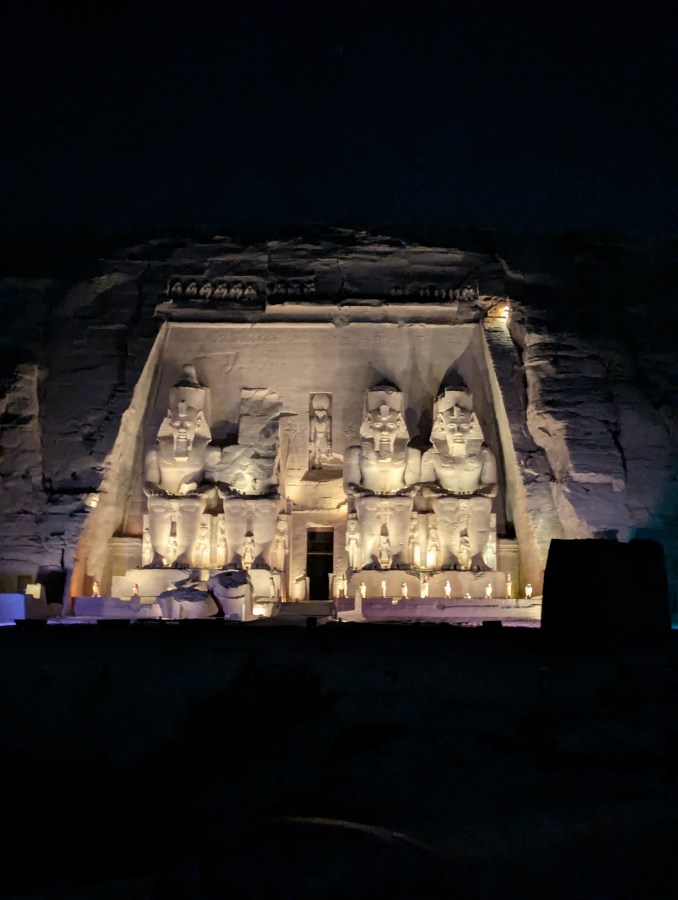
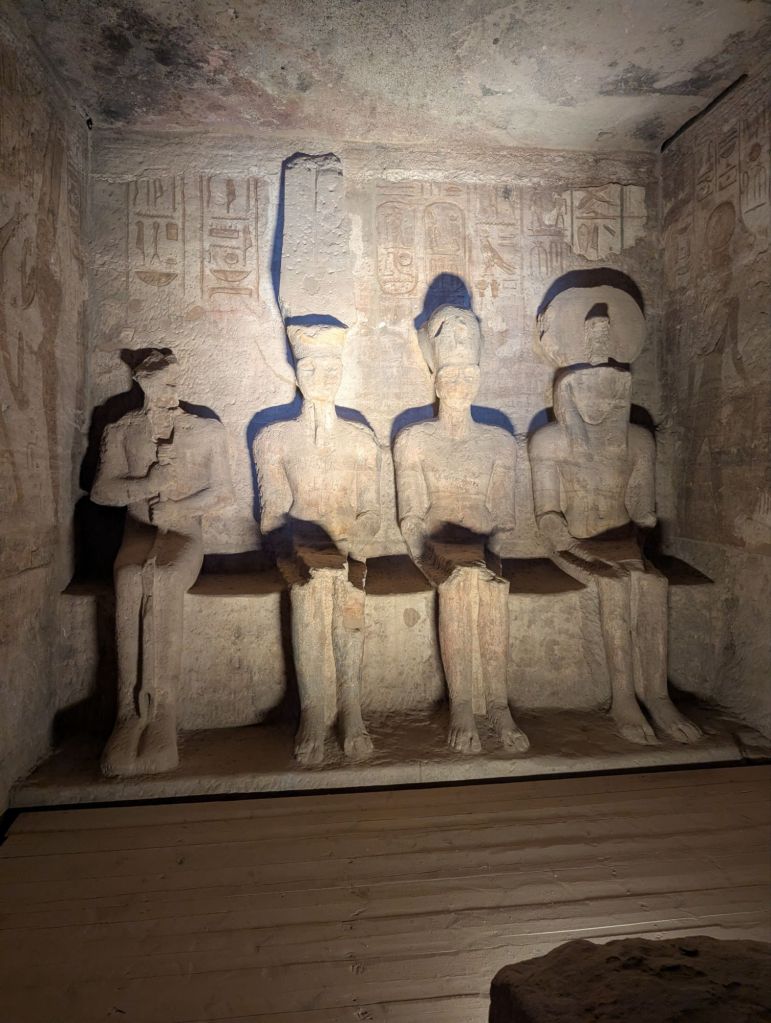
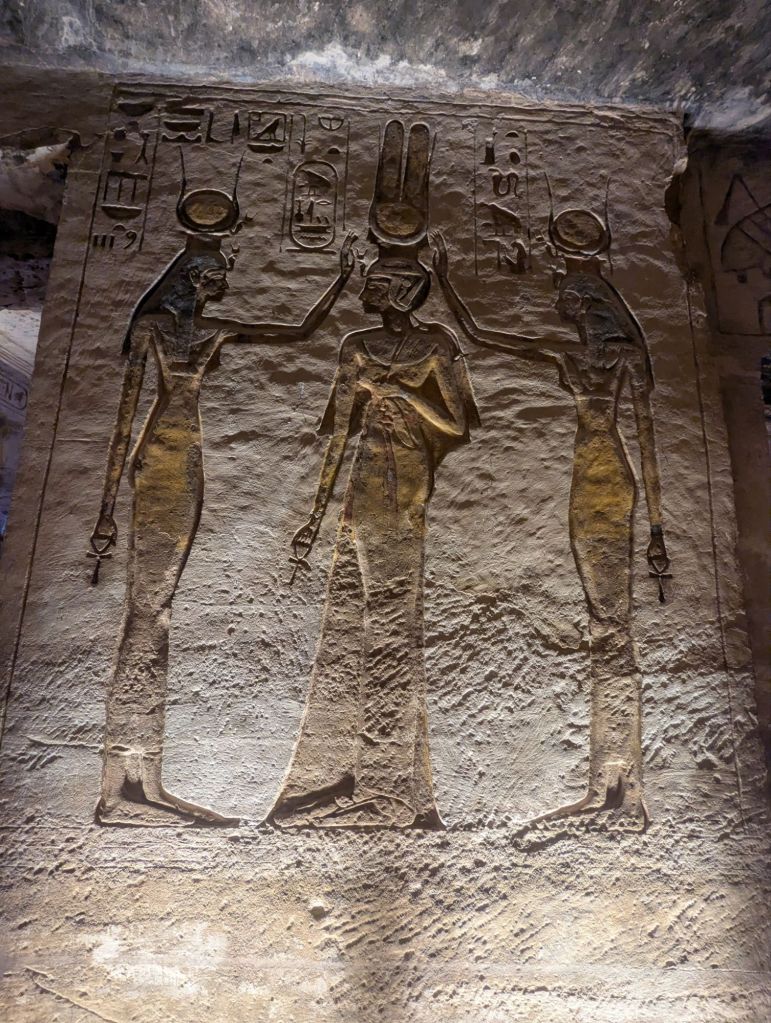
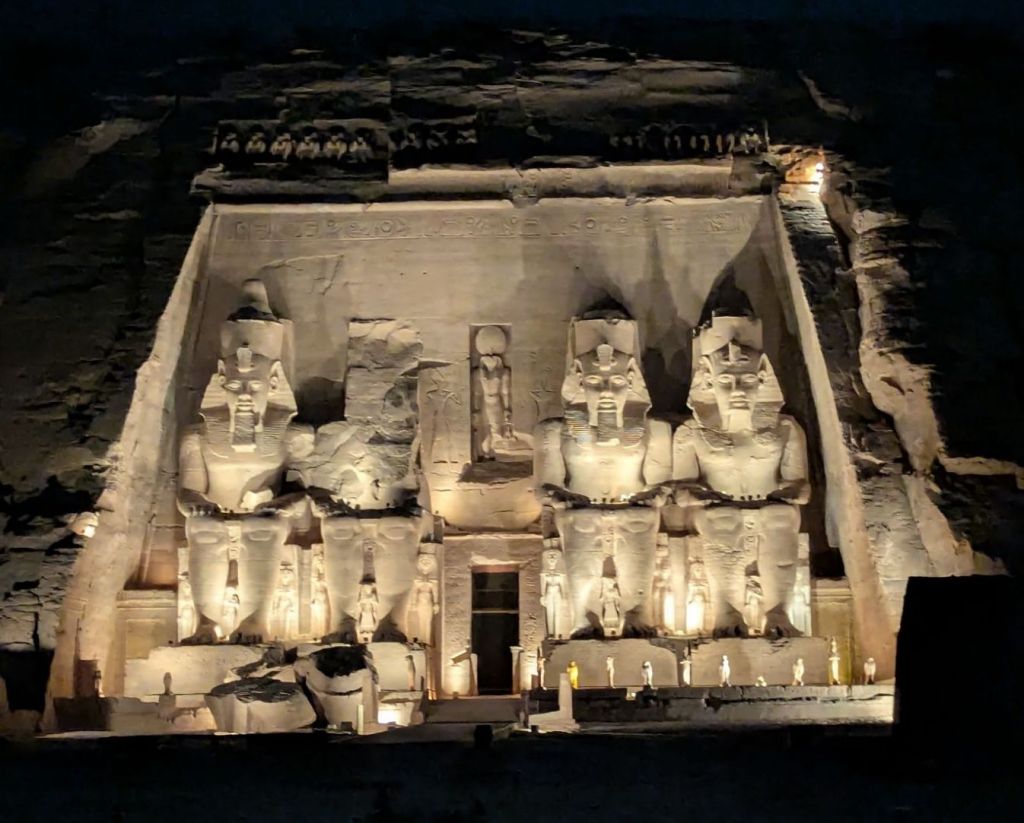
Eventually a mirage appeared as the town of Abu Simbel on Lake Nasser. Sand colored houses and a few businesses lined the streets. We headed directly to the site that is the Abu Simbel temple, built in 1260 BC. Pharaoh Ramesses II, who reigned 60 years 1279-1213 BC, built many temples to himself and even more monuments to honor his gods and, conveniently, also himself. Here in Nubia, Abu Simbel commemorated his defeat of the Syrian Hittites at Kadesh. These amazing, absolutely amazing, structures were carved into the rocky hillside and have colossal statues guarding the entrance. Each statue is 60 ft tall, their smiles are 3 ft wide. In typical Ramesses II style he equated himself with the deities. Here he guards the entrance in god-like glory. The interior rooms are richly decorated with colorful carved hieroglyphics detailing his battle successes with more accolades to himself as well as offerings to the gods who supported him. Two days a year sunlight hits the most interior room highlighting, you guessed it, another Ramesses’ statue seated with other gods.
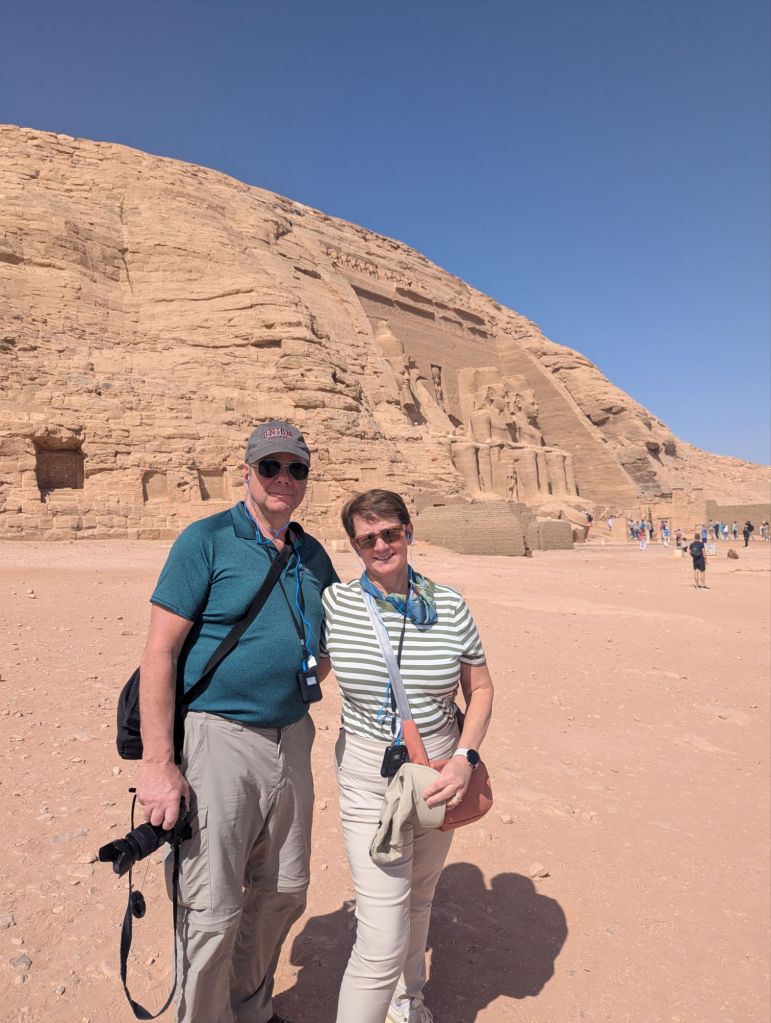
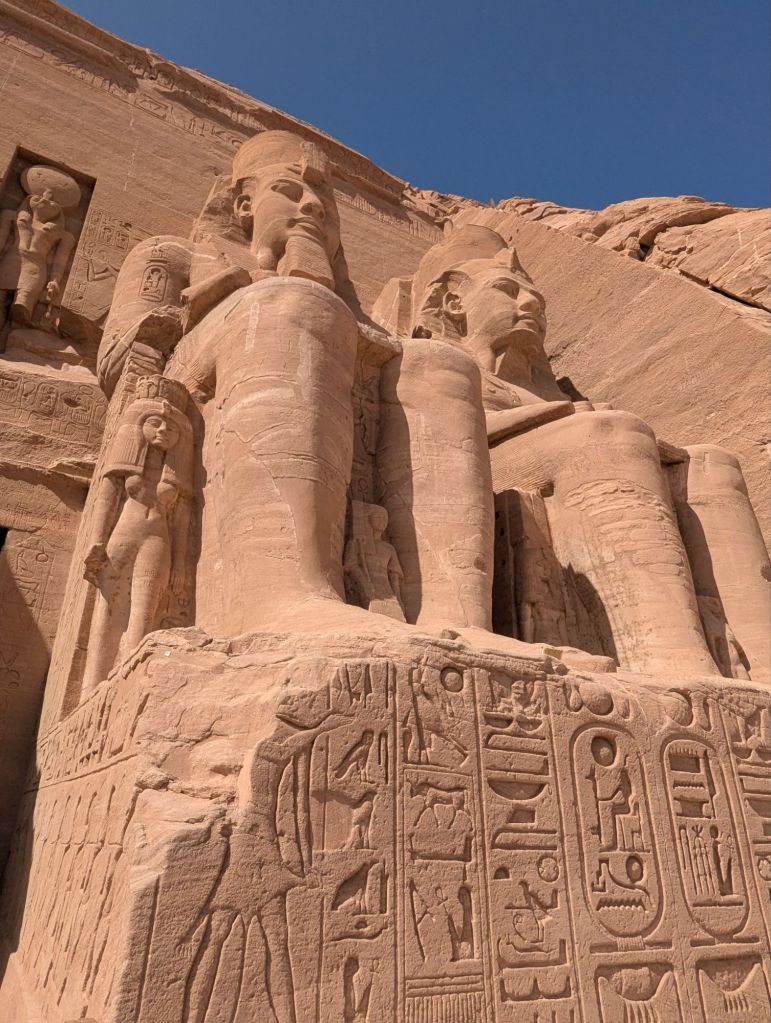
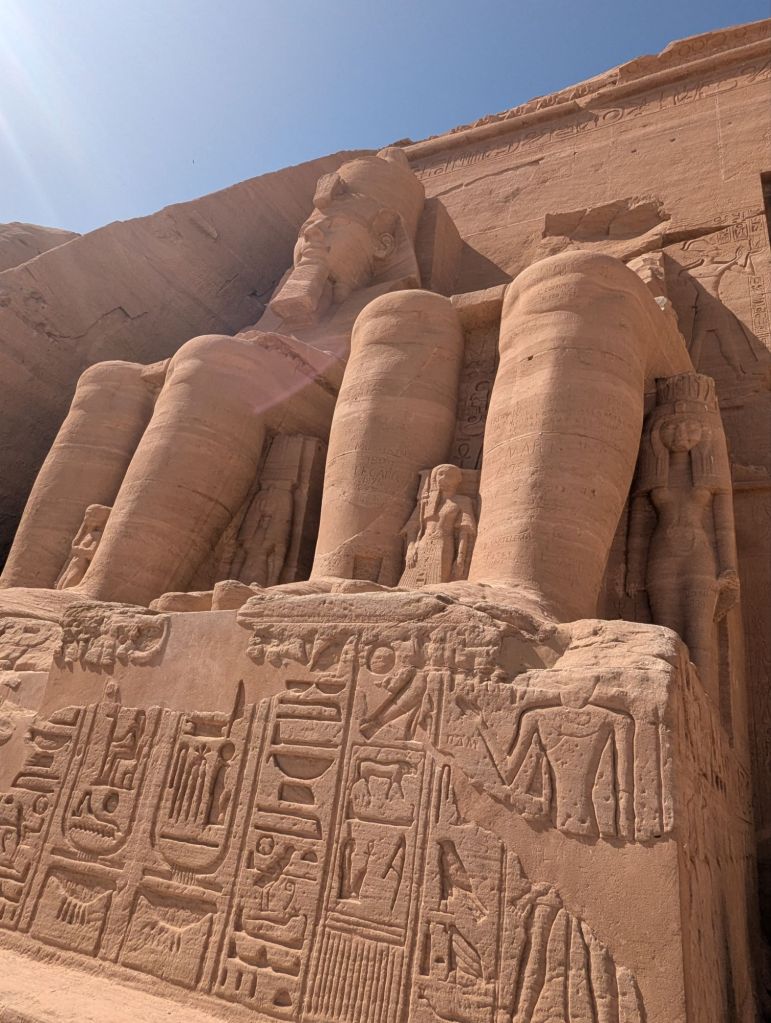
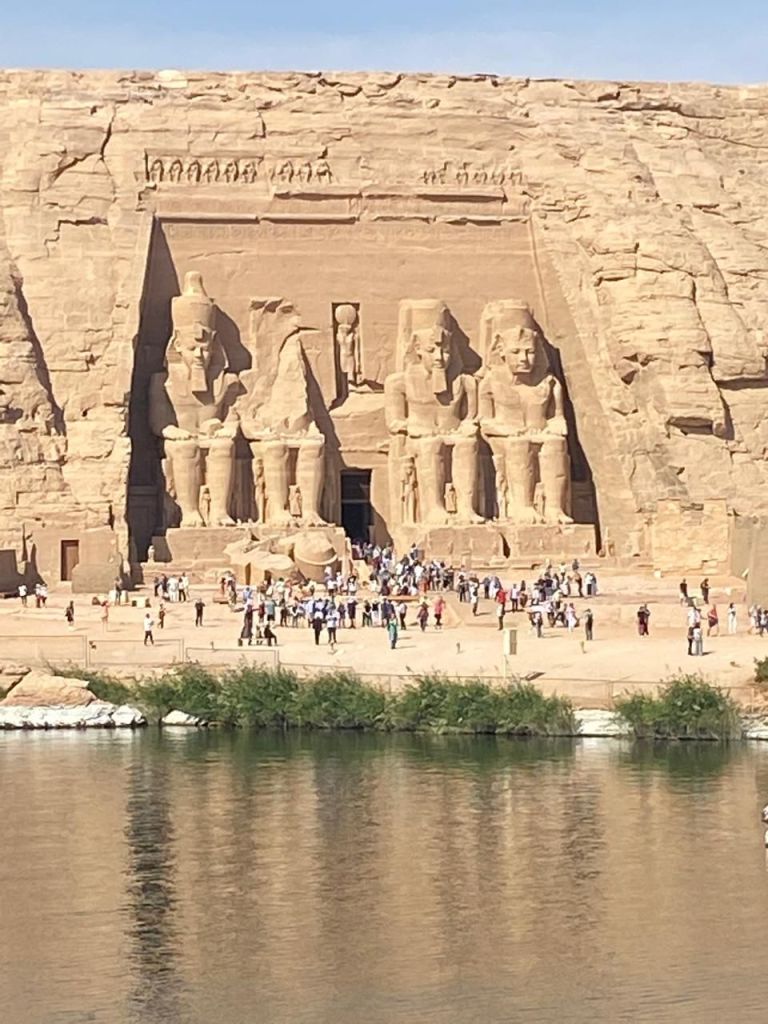
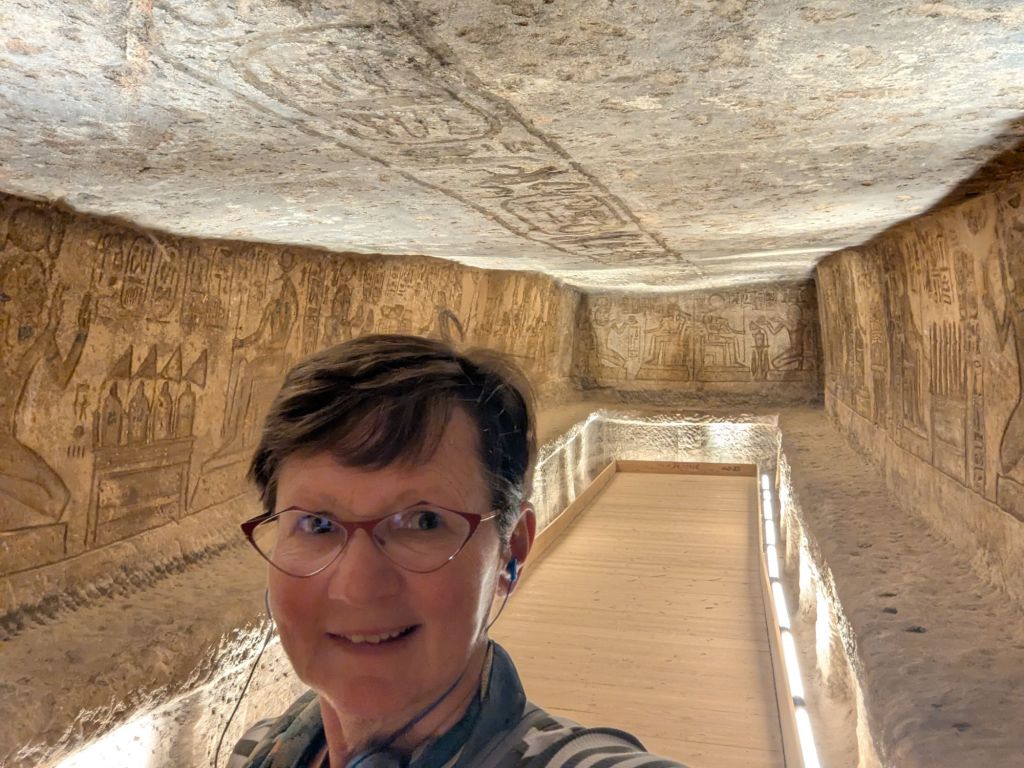
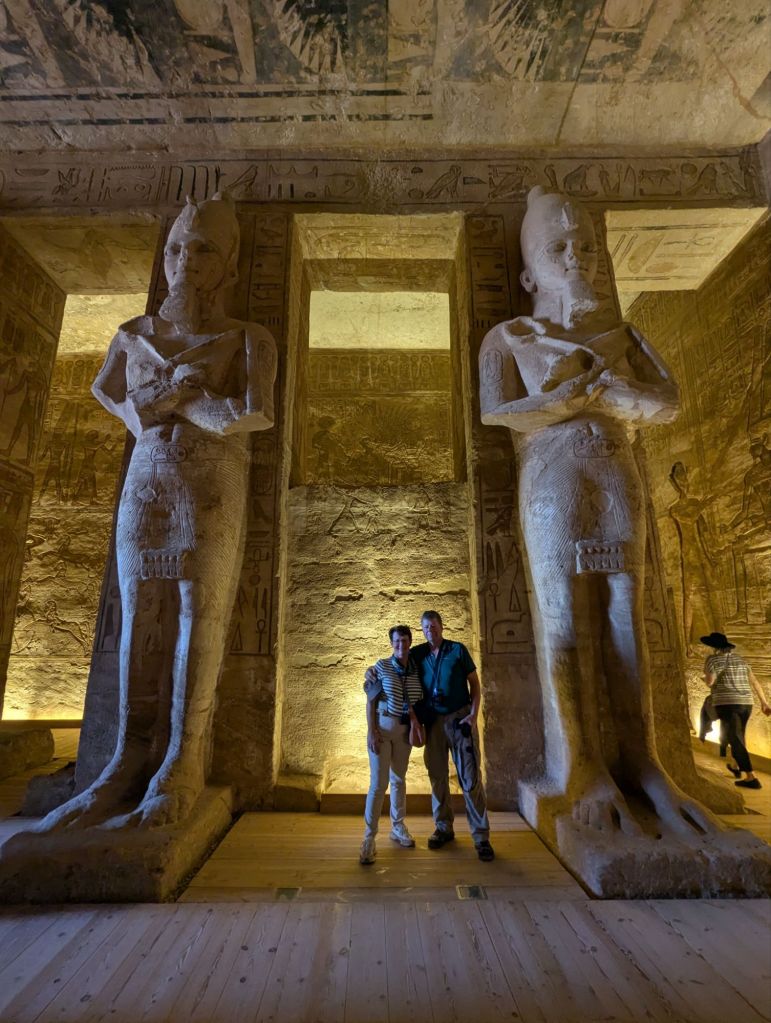
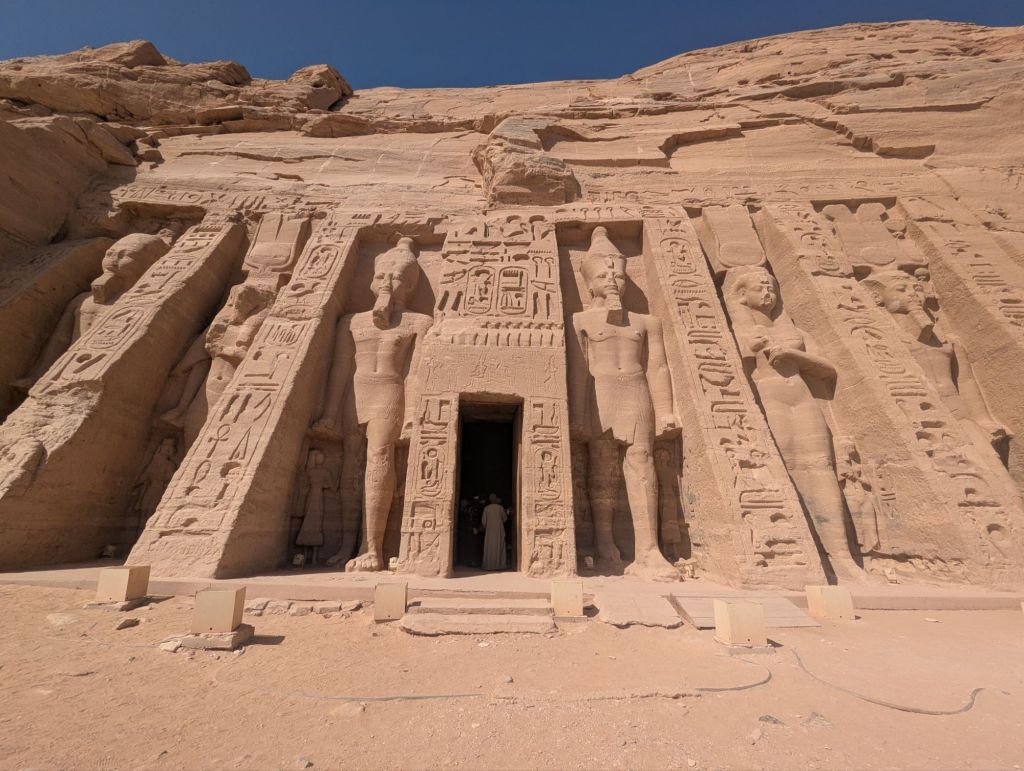
A second slightly smaller temple was built nearby to honor his favorite wife, Nefertari. Smaller statues represent a few of Ramesses’ 200 children (some parents do have favorites, Dan). The site of the temples here served to remind the Nubians of Ramesses’ authority. Eventually these beautiful temples were lost to history, buried in time. Literally, buried. The temples were covered in sand up to the shoulders of Ramesses and lost to the world outside of Nubia. G. Belzoni rediscovered them in 1816/1817. Here’s where the story gets even more interesting: with the imminent construction of the Aswan High Dam in the 1960’s, these and other Nubian temples would’ve been submerged when Lake Nasser filled in. With worldwide fundraising efforts and herculean engineering feats, these and other buildings were relocated to higher ground. In the case of Abu Simbel, it was cut into blocks weighing 20-30 tons and rebuilt 60m up and 200 m over, hill and all.
Later, we returned in the evening for a fantastic light show, projected onto the colossal facades. Ramesses’ story was told in light and sound effects; so cool. If this is any indication of how the trip will proceed, we are in for an amazing time!
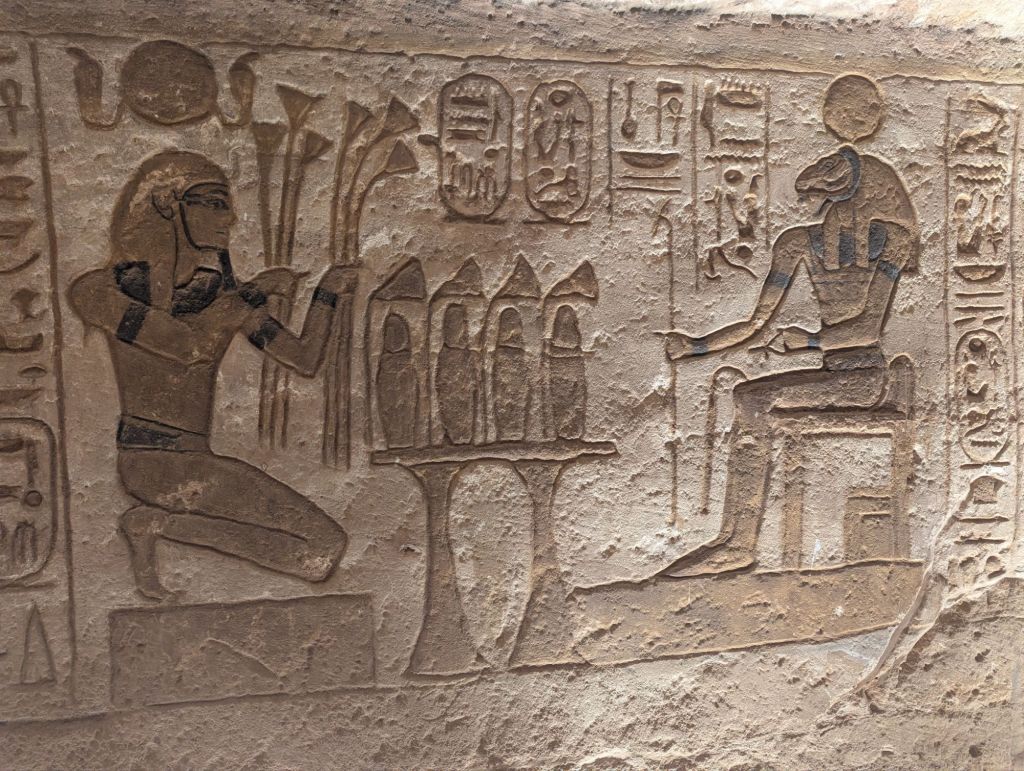
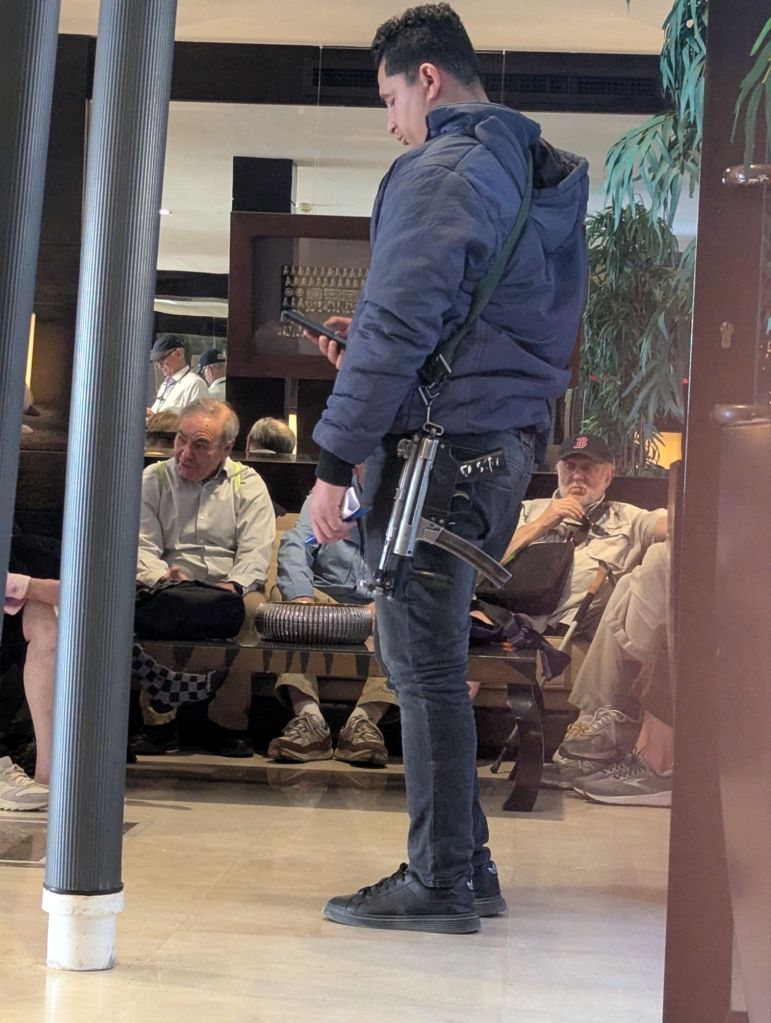
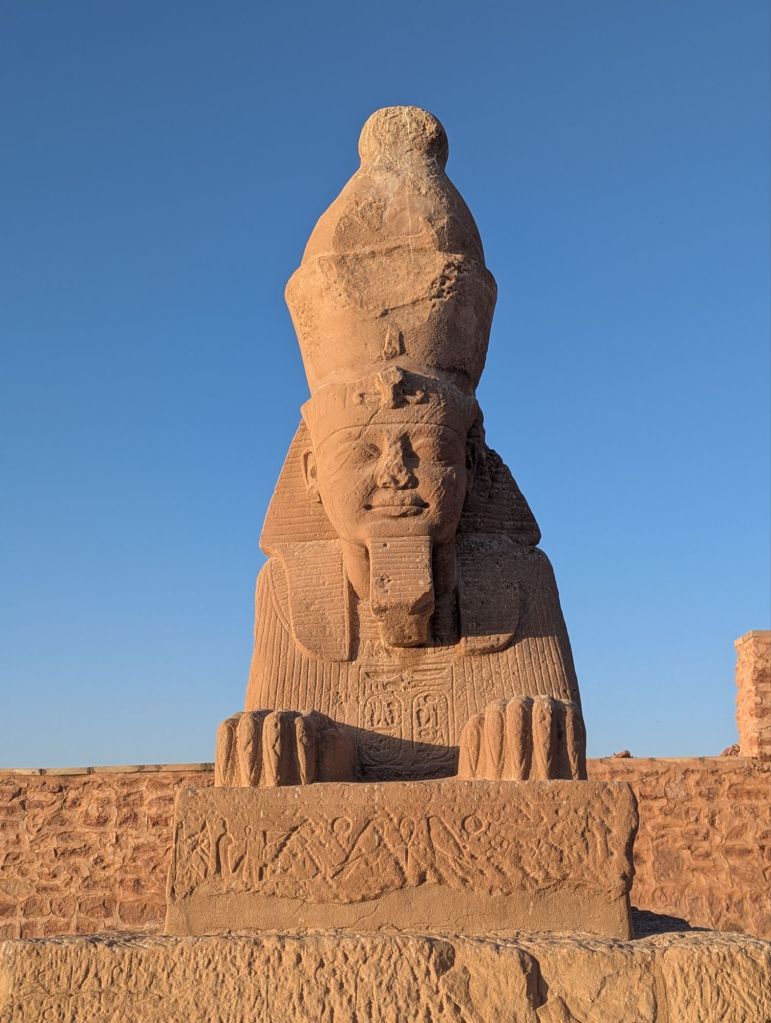
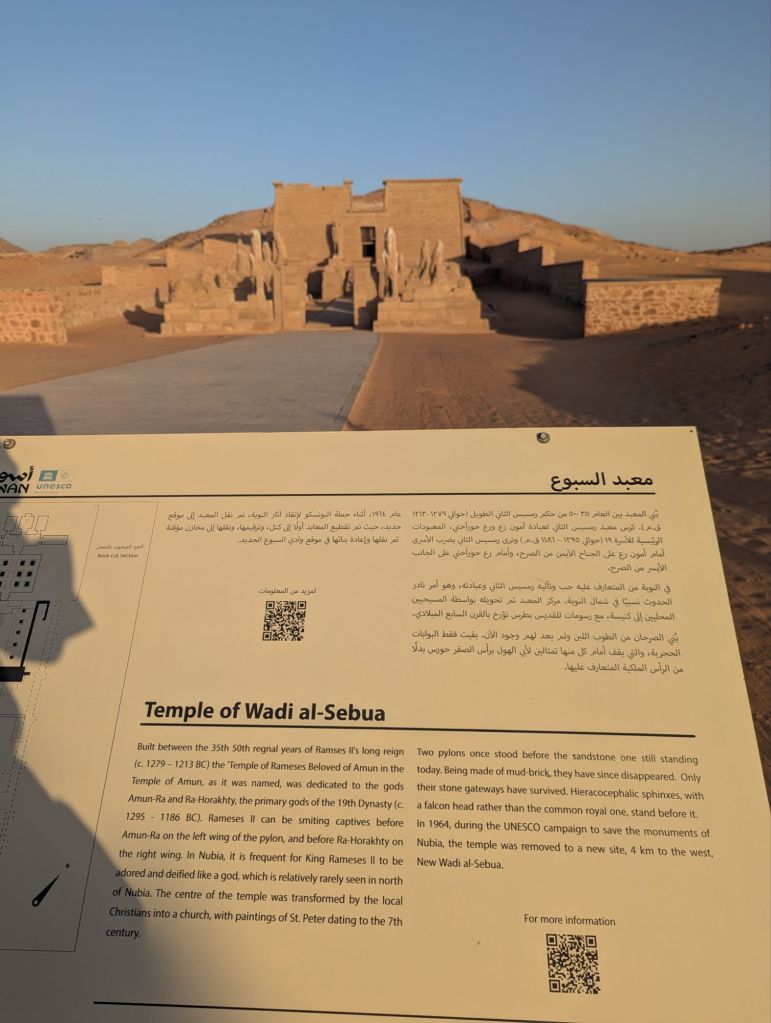
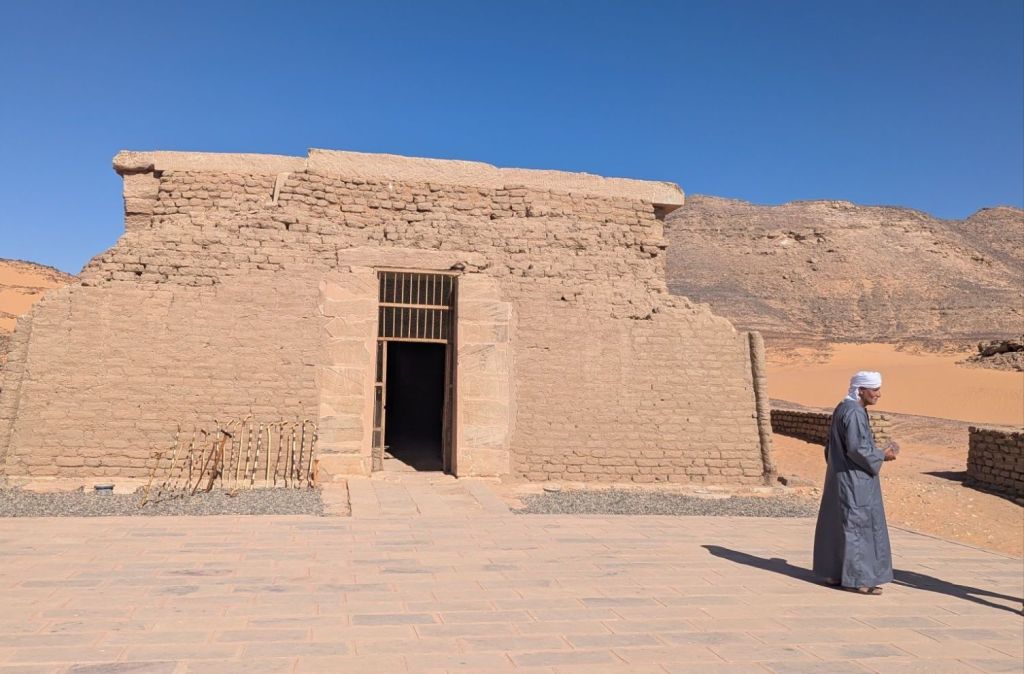
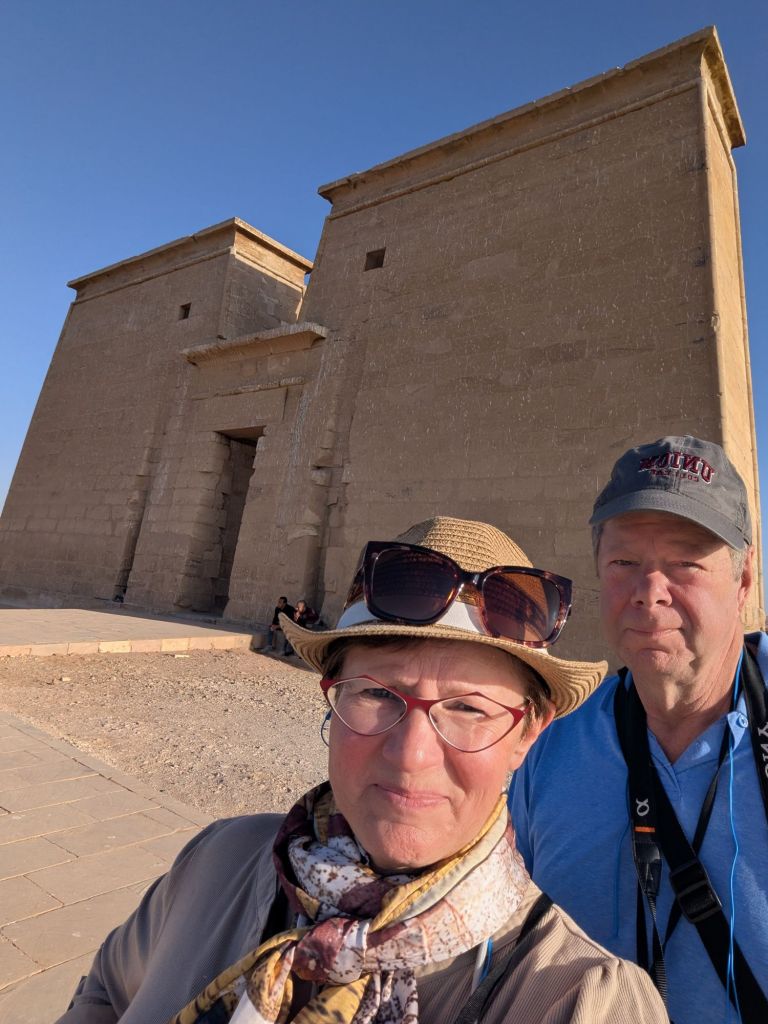
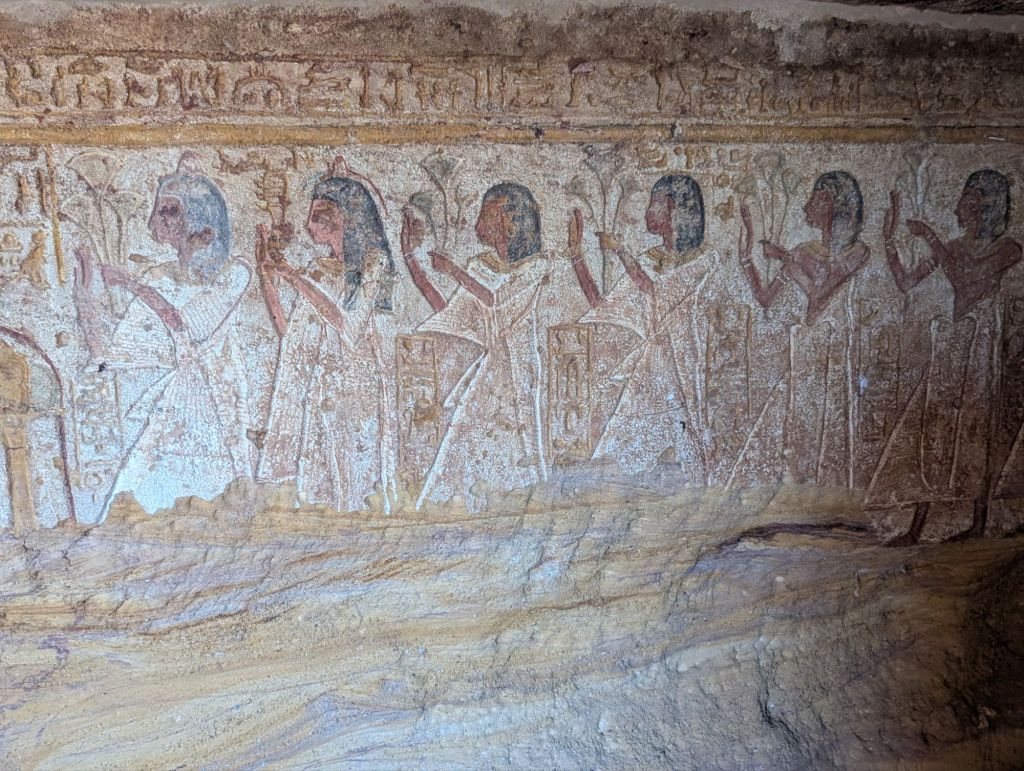
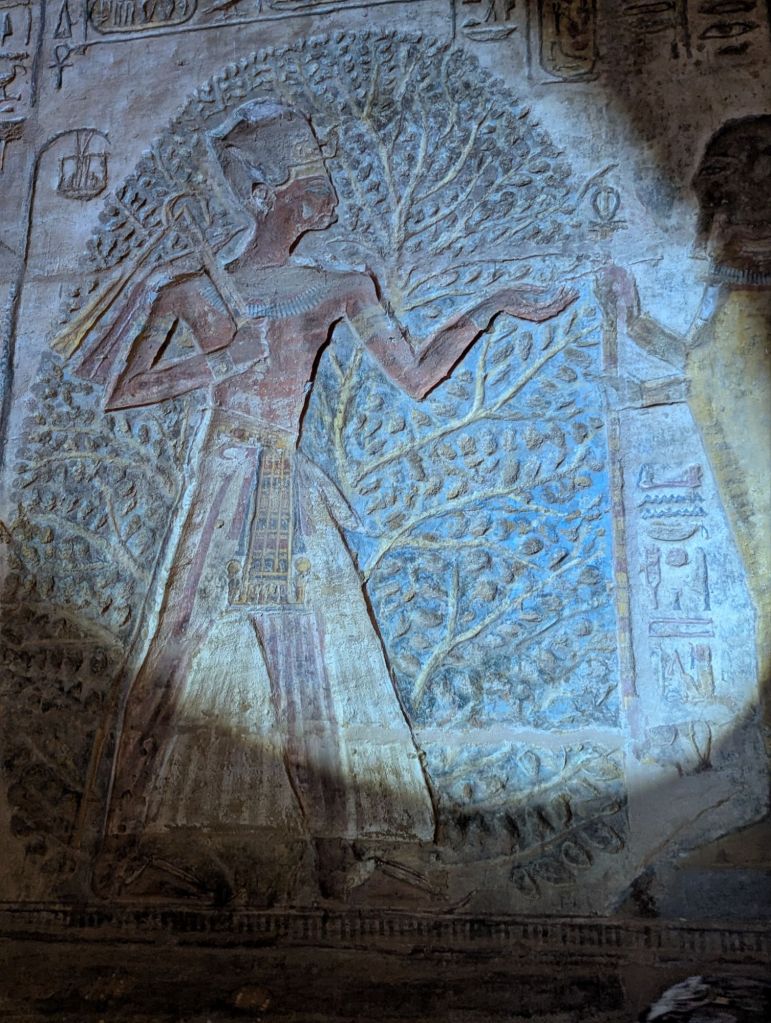
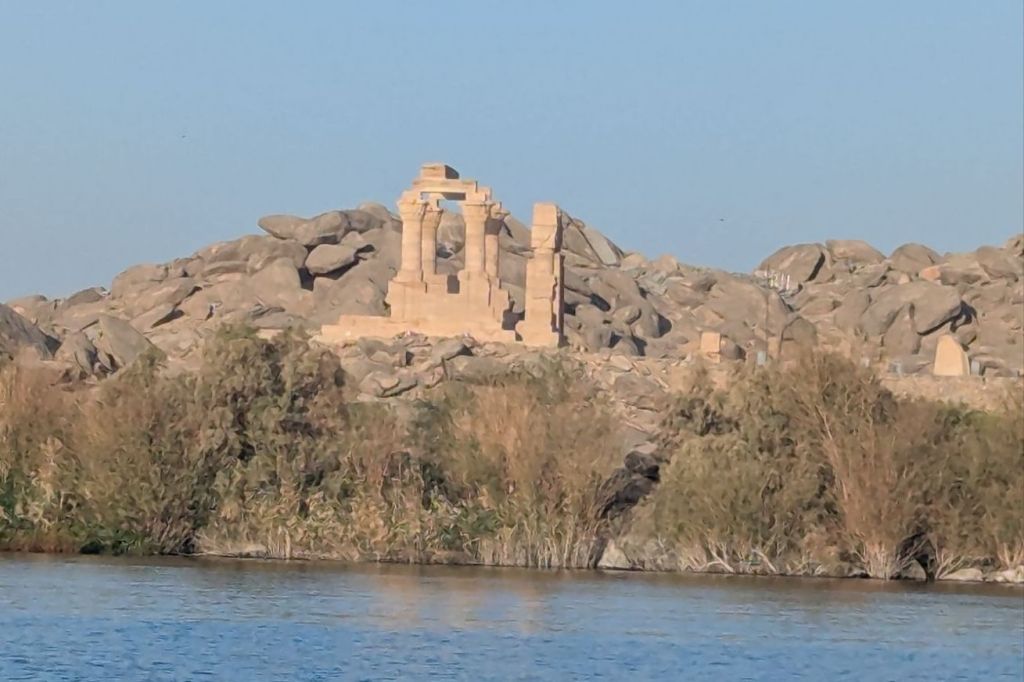
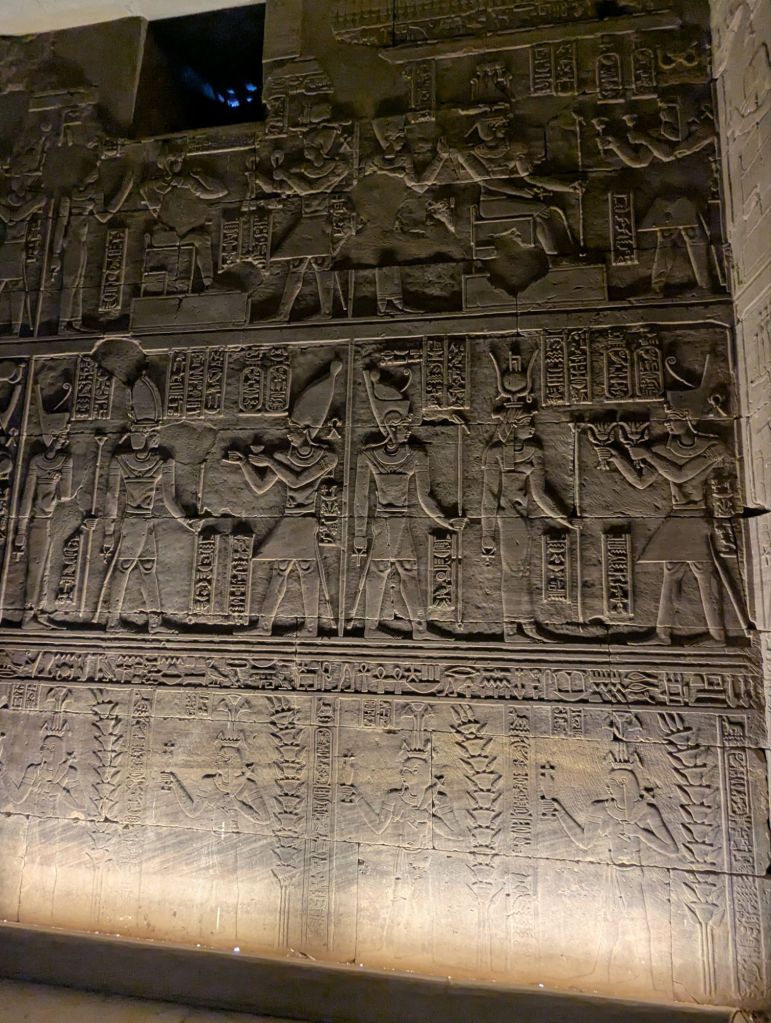
The next 3 nights we stayed on a ship, the Steigenberger Omar El Khayam, on which we sailed north to Aswan on Lake Nasser but stopped at other relocated temples along the shore. In all, we visited 9 temples. We boated over from the ship, gingerly stepping ashore on the gangplank, the handrail just a pole held between the crew. Of mention, we always had an uzzi-clad Tourist Policeman accompany us everywhere, which seemed ridiculous out here on huge, quiet Lake Nasser (over 300 mi long) where there were only 2 tourist ships of about 100 guests each and some fishermen. Oh, and crocodiles and hippos! (Rarely seen but better safe than sorry!) The temples ranged in age from 1300 BC to 200 AD and were in various stages of completeness. These temples were an expression of gratitude to, and worship of, the Ancient Egyptian gods, of whom there were quite a few. Ramesses II again figured predominantly in the temples of 1300 BC; here there were no scenes of the conquering hero but rather, Ramesses II offering gifts of food, game, and flowers to his gods. The innermost sanctuary, the holy of holies, was available only to the high priests worshipping inside. The youngest temple, built in 200 AD, had influences of Roman architecture (e.g. decorated capitals gracing the tops of massive columns) a result of the Roman rule over Egypt at that time. The ruling Roman Emperor is shown honoring the ancient Egyptian gods thus showing solidarity with their Egyptian subjects. Later, early Christians began defacing the temples, either scratching out the original figures, destroying statuary, or overlaying older carvings with crosses while often using temples for their churches. Even more recently, graffiti can be seen, names and dates carved into the temples from the early 1800s.
An extremely brief history of Egypt: the pharanoic period extended from 2200 to 600 BC, then Persian rule until 400BC. Alexander the Great, a Greek, vanquished Egypt in 332BC with his general Ptolemy eventually becoming king. Several Ptolemies later (about 300 years), the Romans inveigled their way as Egyptian rulers via Cleopatra, Marc Anthony, and Caesar’s shenanigans. Following 200 years of Roman rule, the Byzantines took over for about 600 years, until the Arabs took over. There was a brief tango with the French during Napoleon Bonaparte’s time (1798), then the British occupied Egypt to protect their interests there, not the least of which was the Suez Canal. In 1952 revolution forced King Farouk to abdicate and installed Gamal Nasser as President, the first Egyptian in over 2,000 years to govern Egypt. Currently, Abdel Sisi, the 6th president of the Republic of Egypt, has been in office since 2014.
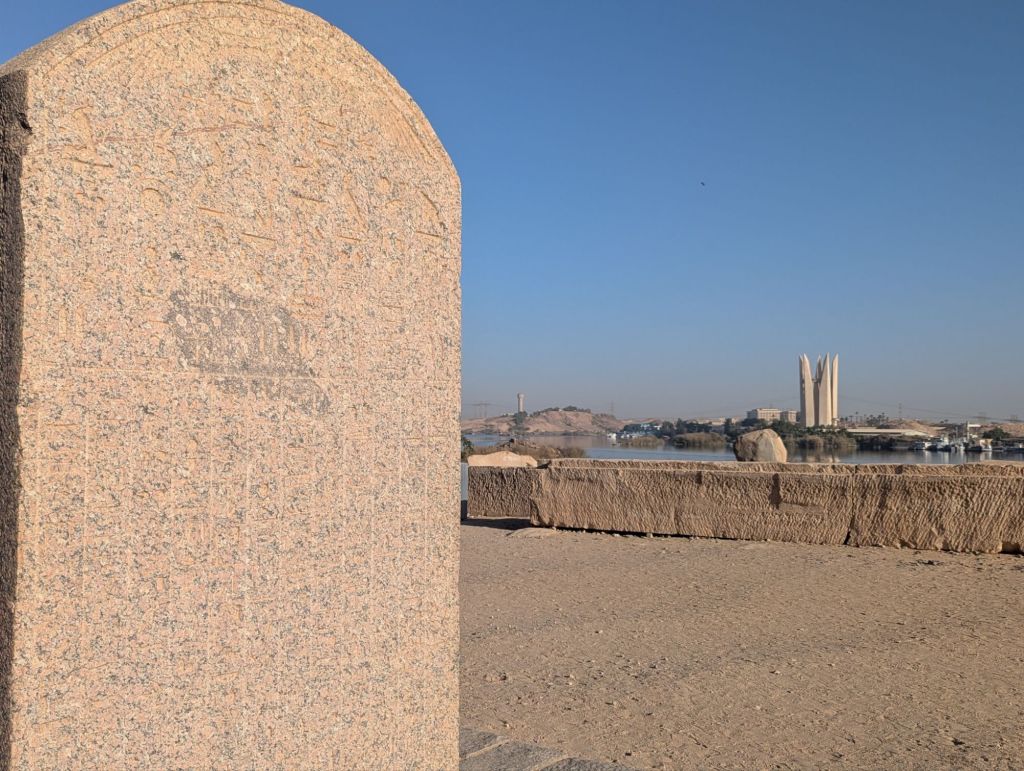
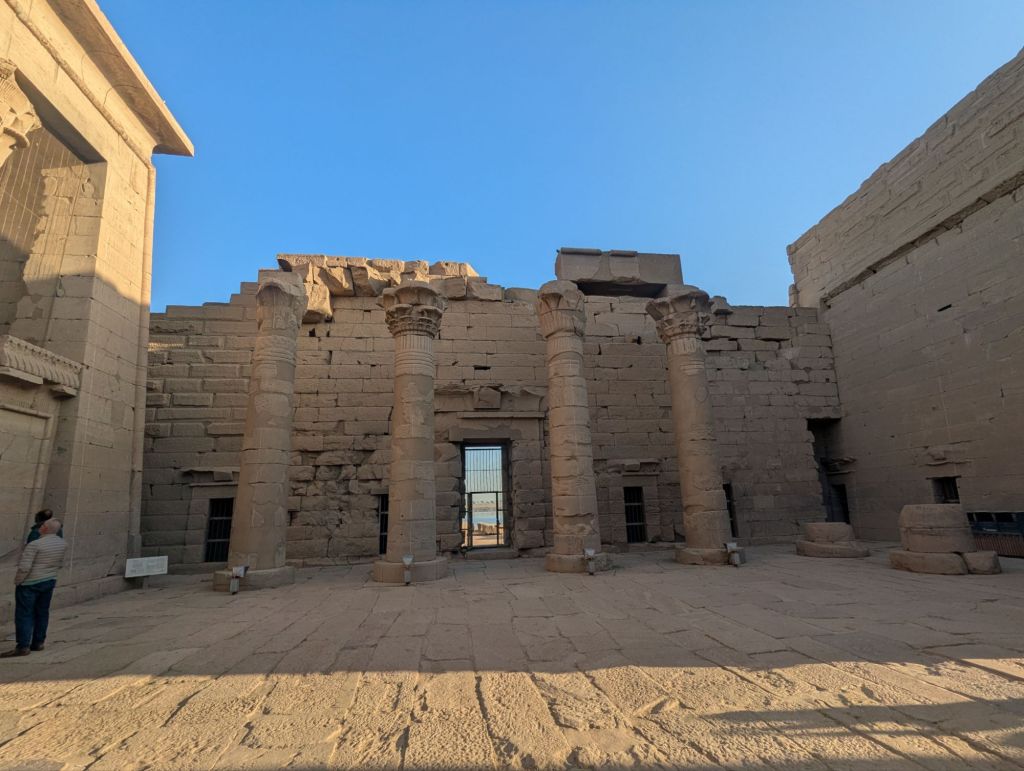
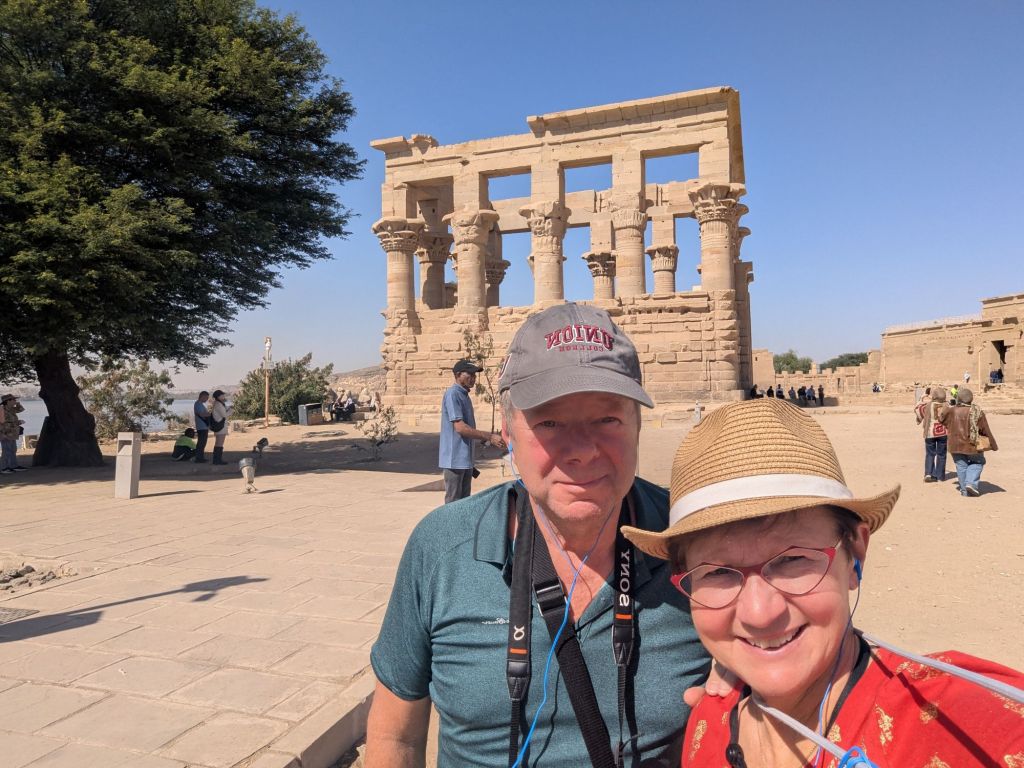
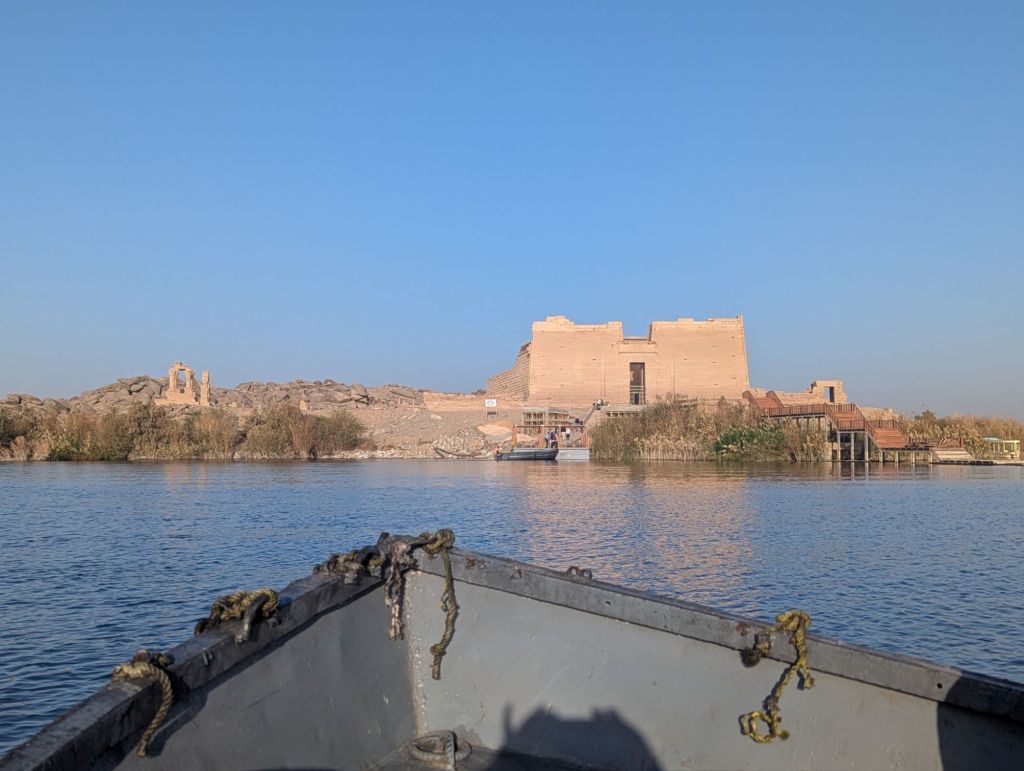
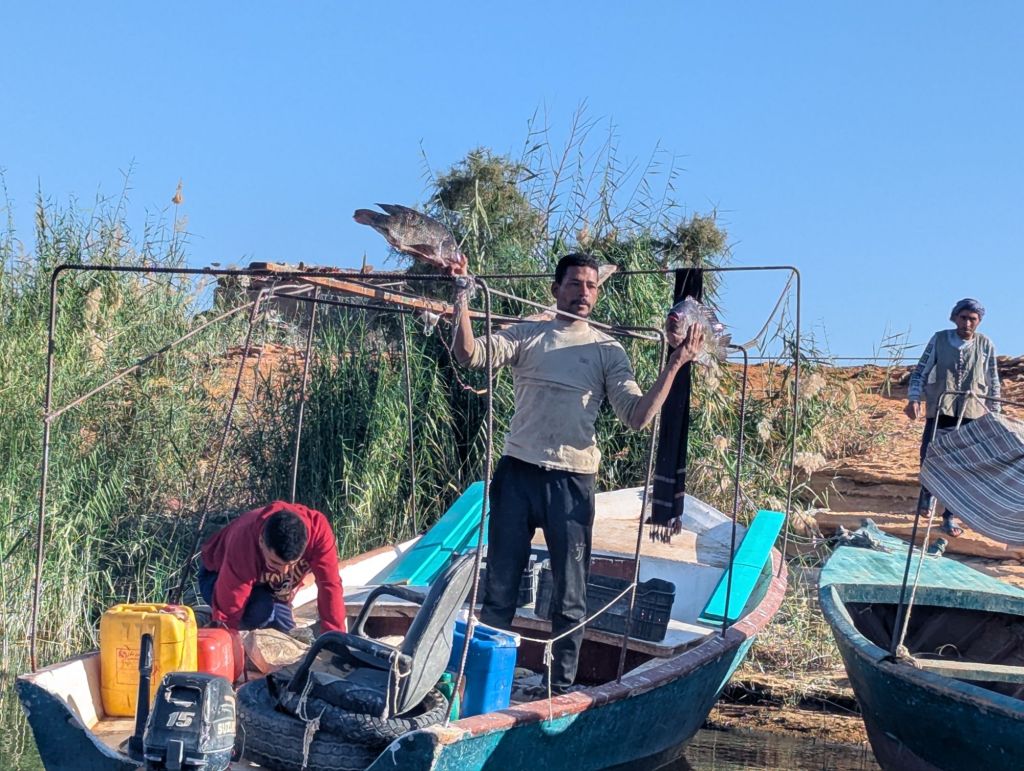
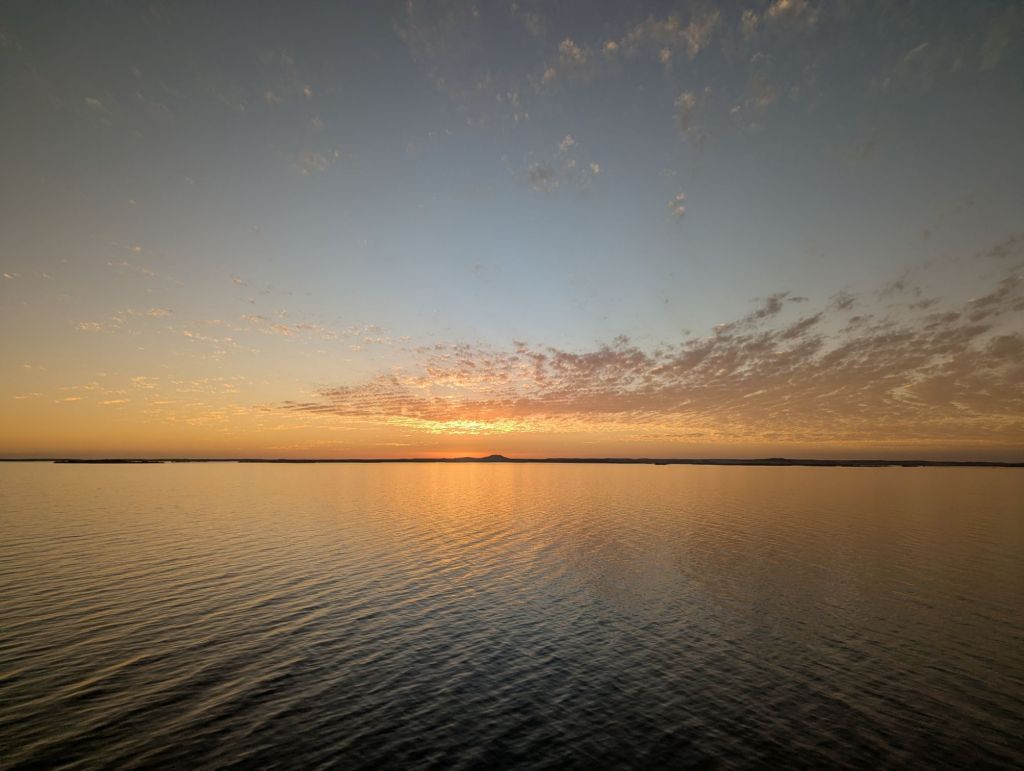
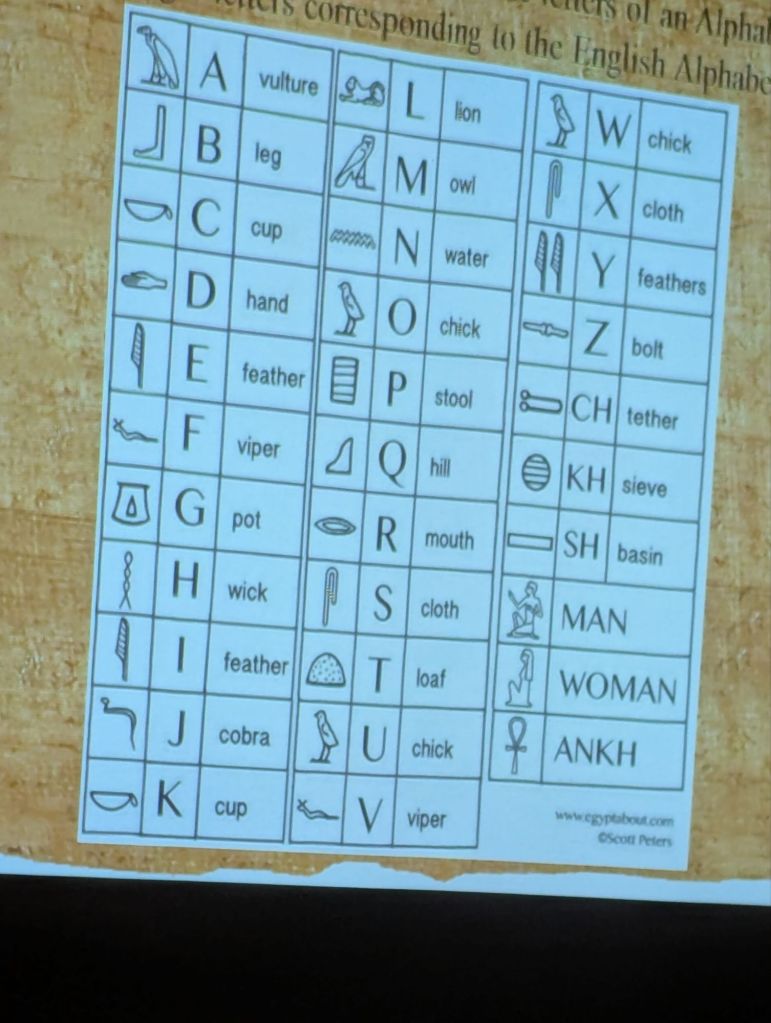
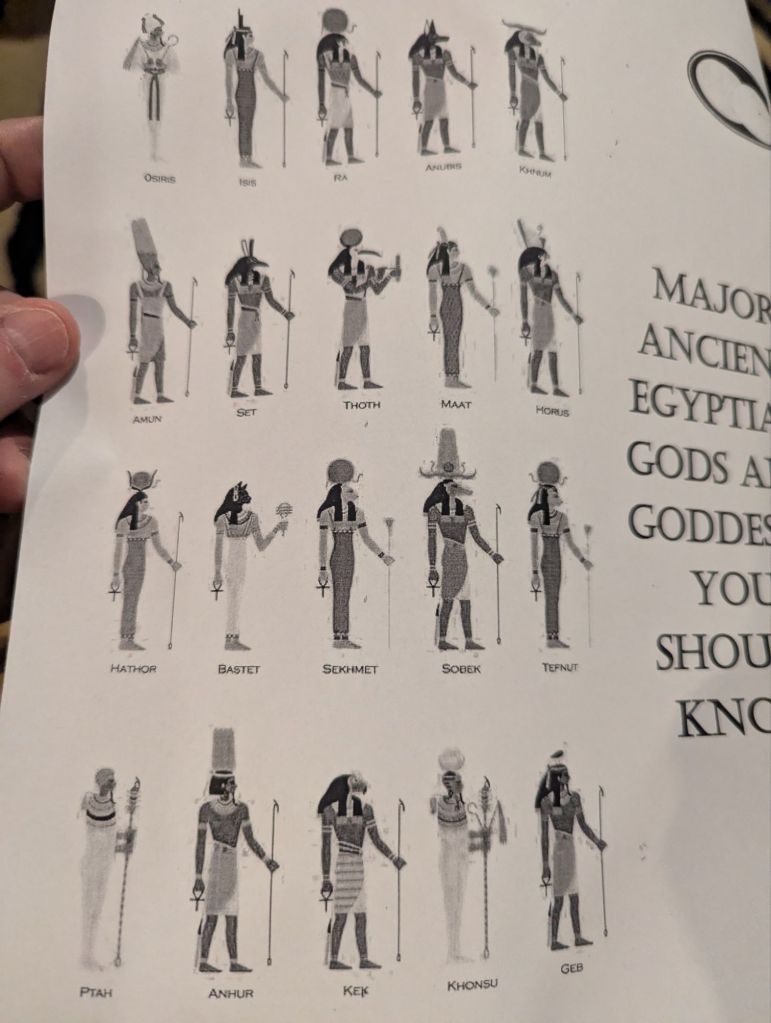
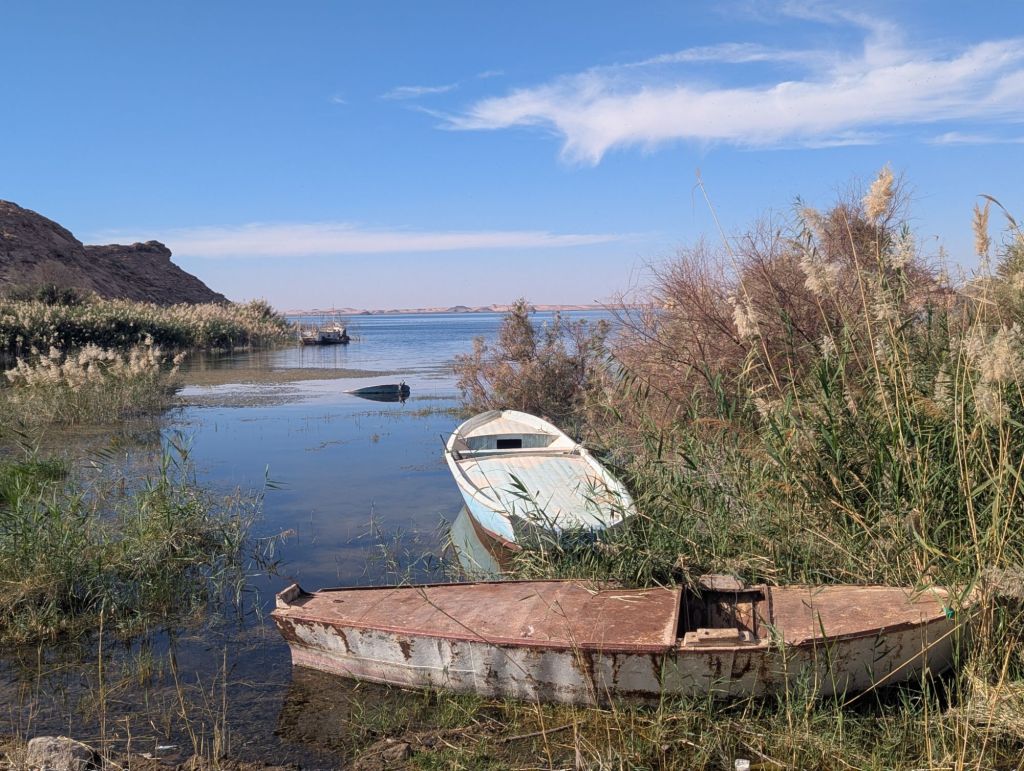
We ended our 3 day cruise on beautiful, calm Lake Nasser at Aswan. Lake Nasser was formed when the Aswan High Dam was built 1960 to 1970, creating a reservoir of over 2,000 sq miles. Very few people live on the lake, yet it provides reliable water and electricity for the whole of Egypt, gifts from the Nile.
Our actual itinerary on Lake Nasser: Our itinerary: we sailed past Kasr Ibrim (Nubian, in its original location), visited Amada (oldest temple on Lake Nasser, moved wholesale as one piece), Wadi el-Seboua (Dakka). Next day: New Kalabsha (Egyptian and Greek), Philae (to be continued). We ate constantly, were treated like Pharaohs and Queens by the wonderful crew of Omar al Khayam, and enjoyed our idyllic sail through history.
I highly recommend reading “Empress of the Nile” by Lynne Olson. Details the efforts of Christiane Noblecourt to save the temples along the Nile
Next: below the High Dam and onto Cairo.
Aswan. E3

 My new reality
One thought on “Life on the Nile. E2”