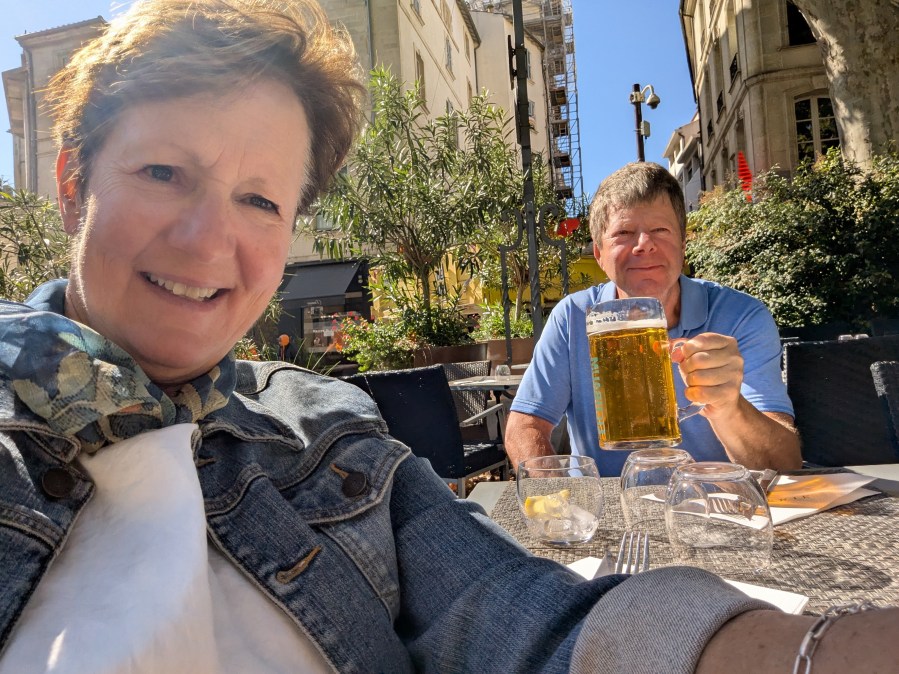
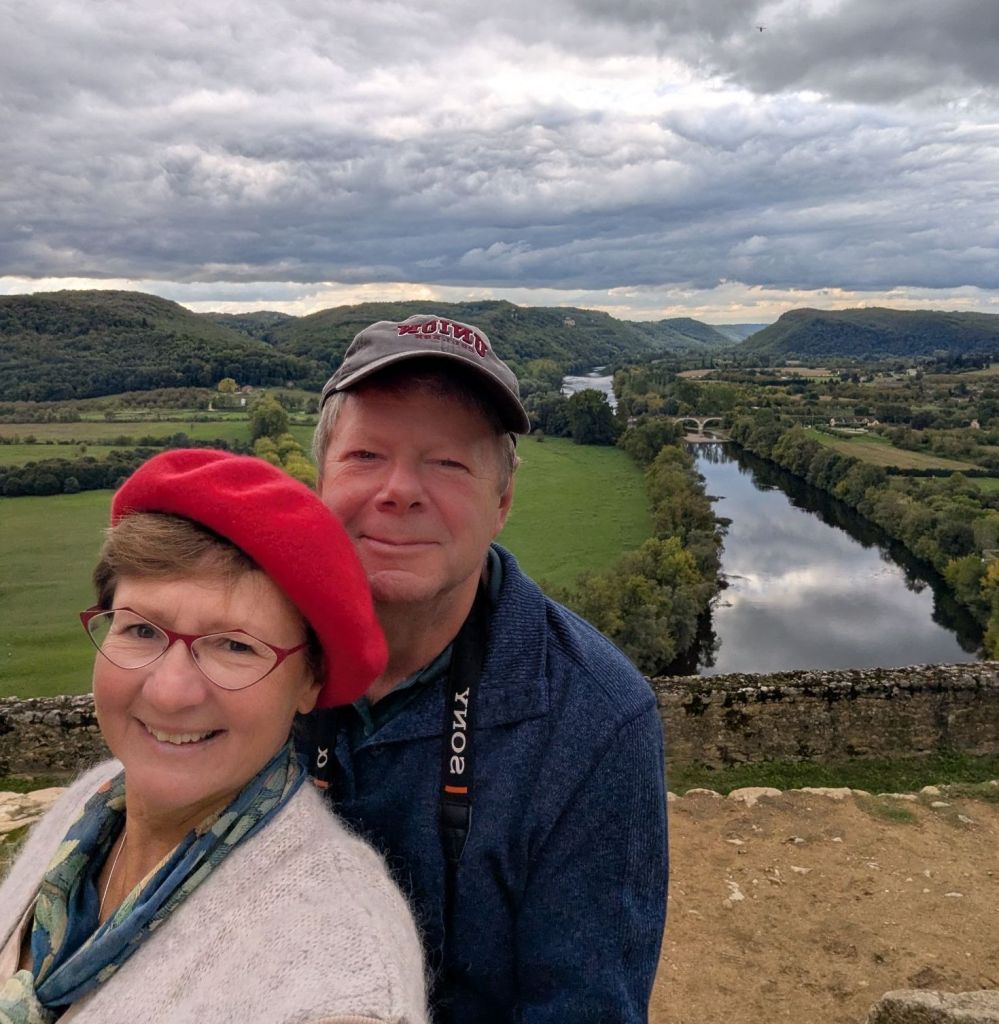
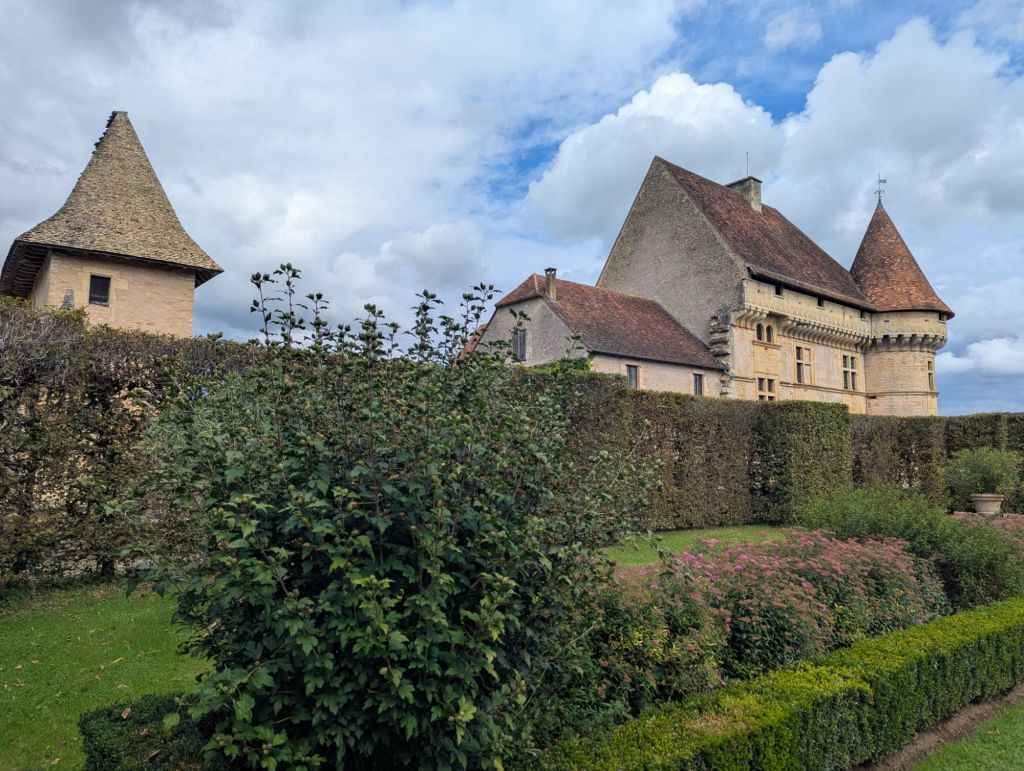
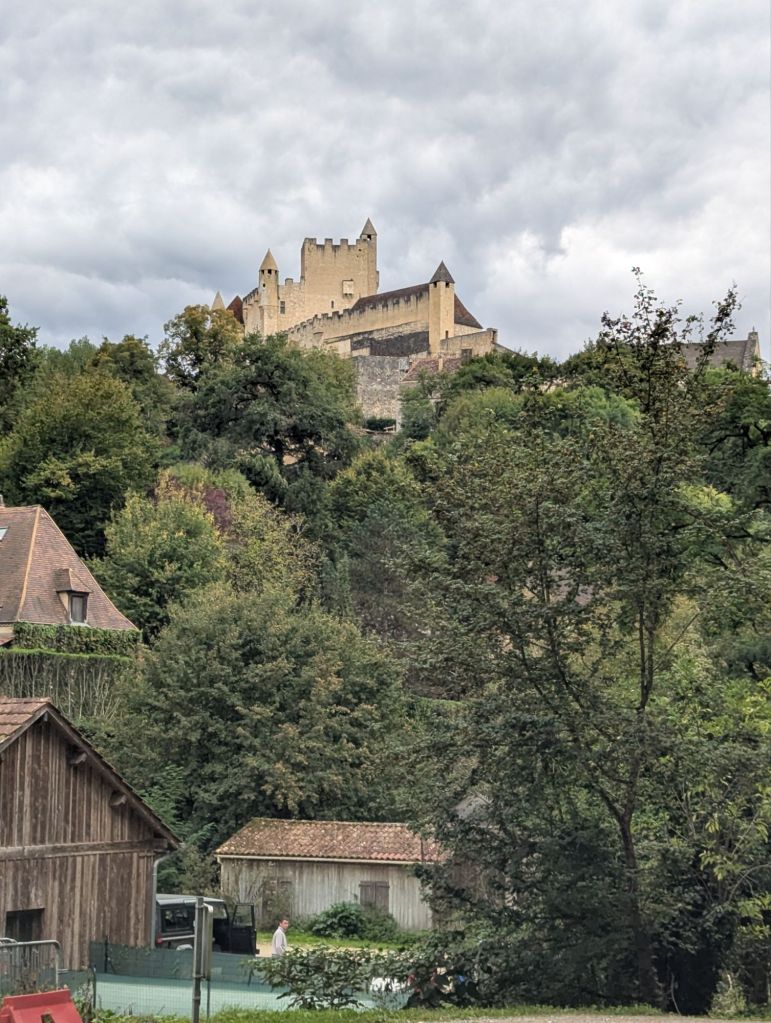
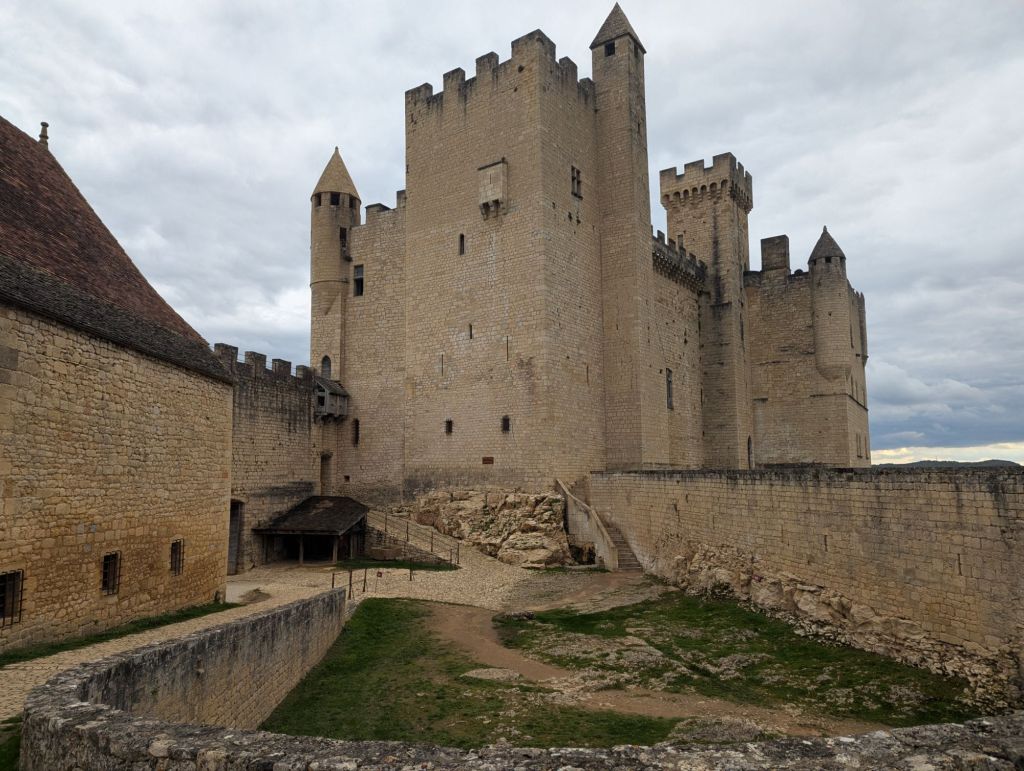
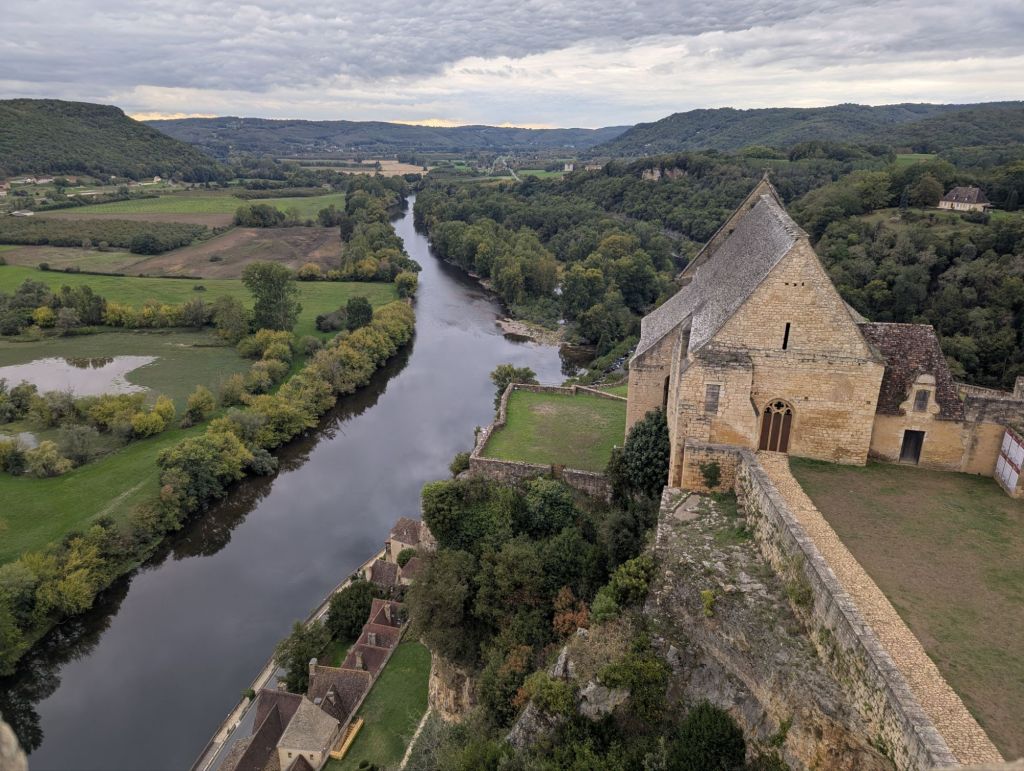
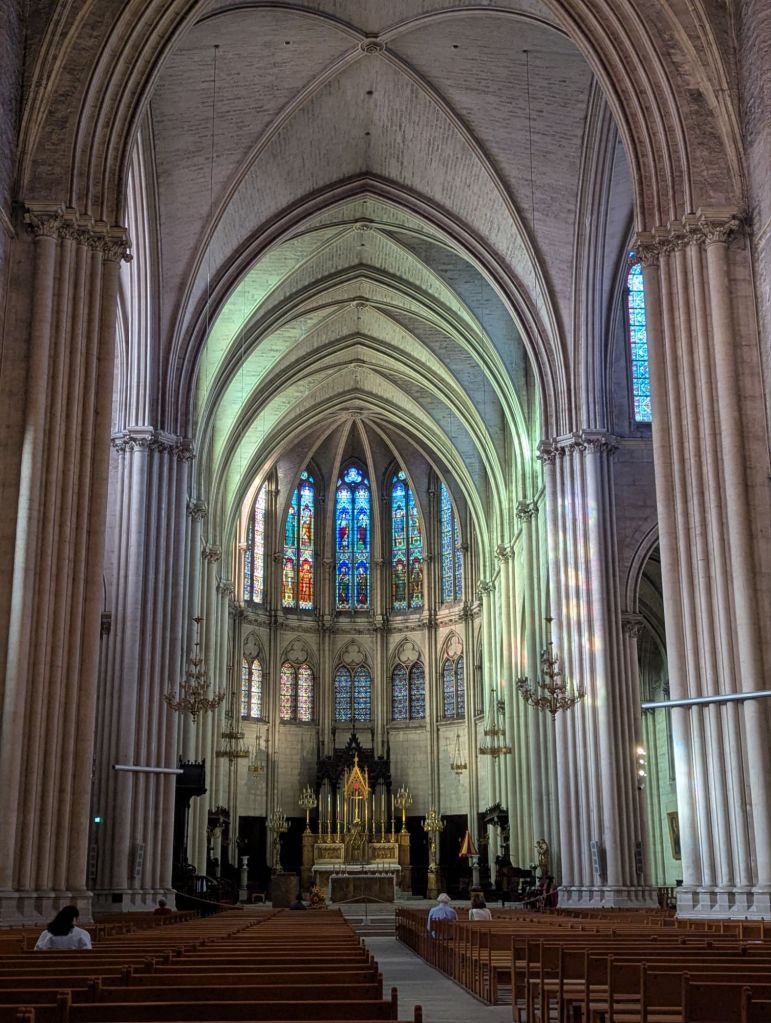
We’ve visited many chateaux and churches throughout this trip. Our fascination stems from the architecture, engineering, craftsmanship, decoration, size, and history of each of these places, not to mention the sheer amount of work that has gone into building and rebuilding them. Especially in southern France, which suffered from the 100 Years War with England, the Religious wars within its own population, and the Revolution which sought to destroy the upper classes and the influence of the church by destroying property. While in the Dordogne (The land of 1,000 chateaux) we visited a couple more I’ll mention here: Chateau et Jardins de Losse (small but lovely gardens) and Chateau Beynac (huge medieval fortress with a cliff-side view).
Previous blog: https://retirementadventureblog.com/2025/09/27/tour-de-france-troiseme-partie/
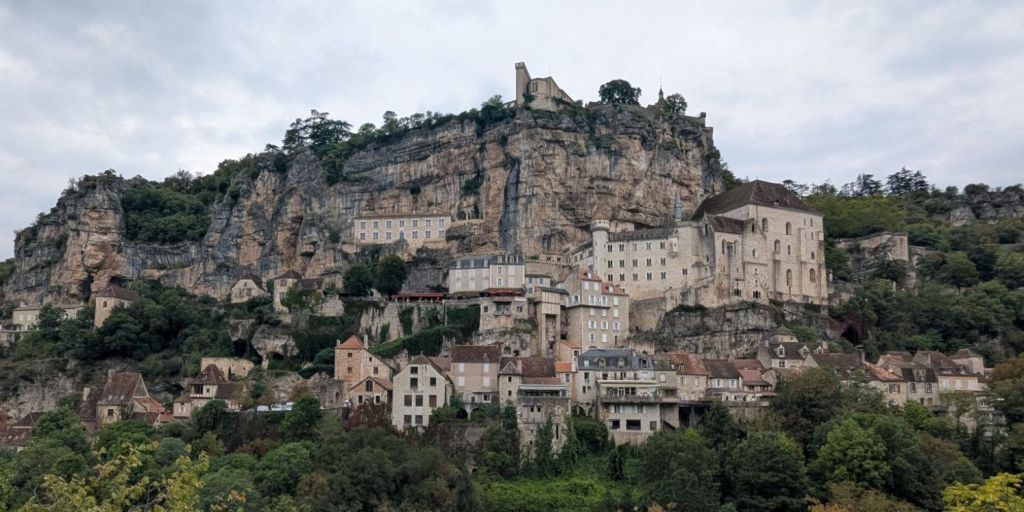
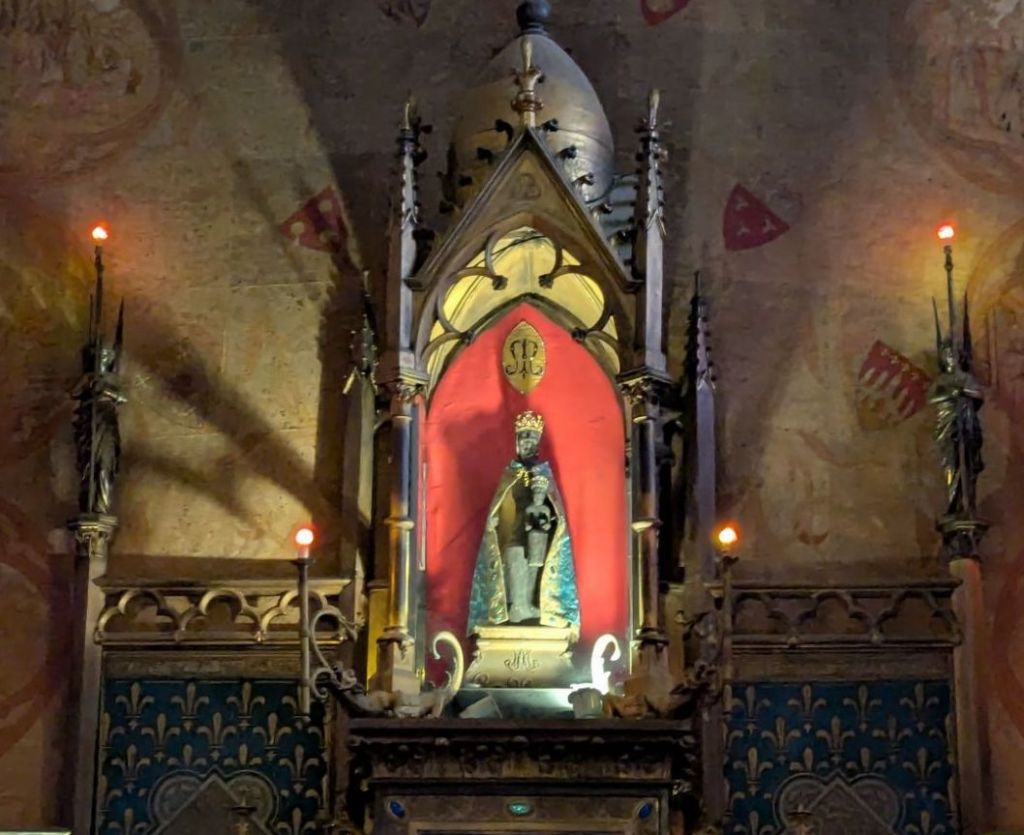
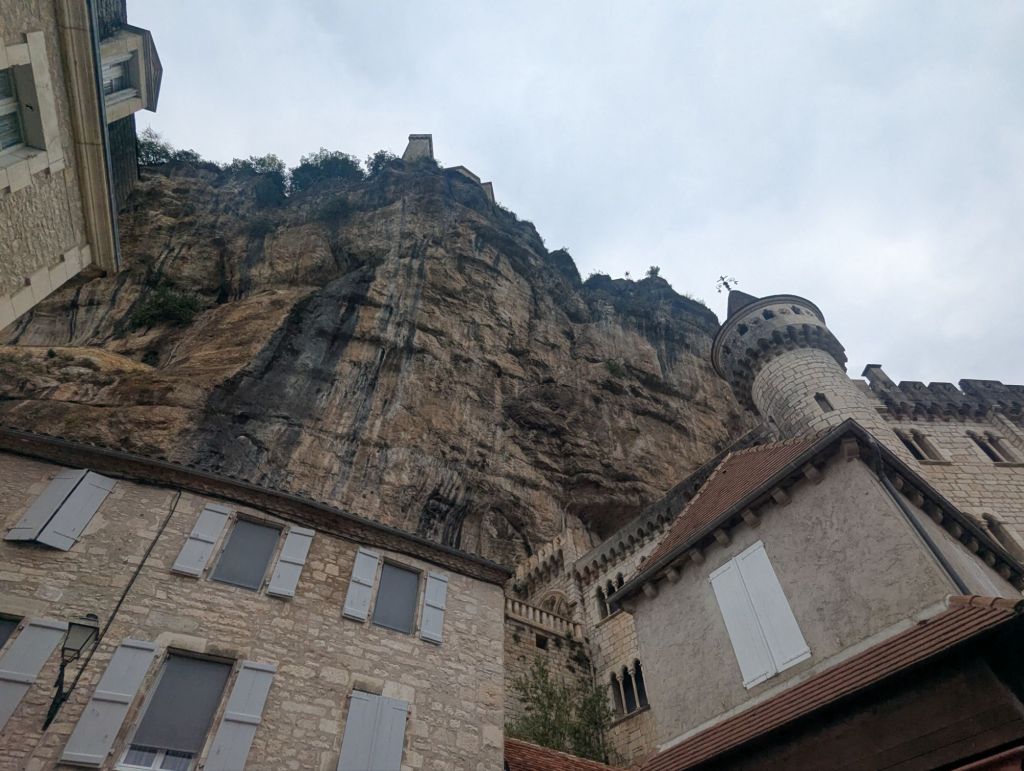
After 2 days of caves and chateaux we headed to Toulouse. On the way, we stopped in Rocamadour, a spectacular cliff-side village/fortification/church combination. We hiked up the stairs and ramps only to find the rampart was closed. Nevertheless, the visit was worthwhile for the views.
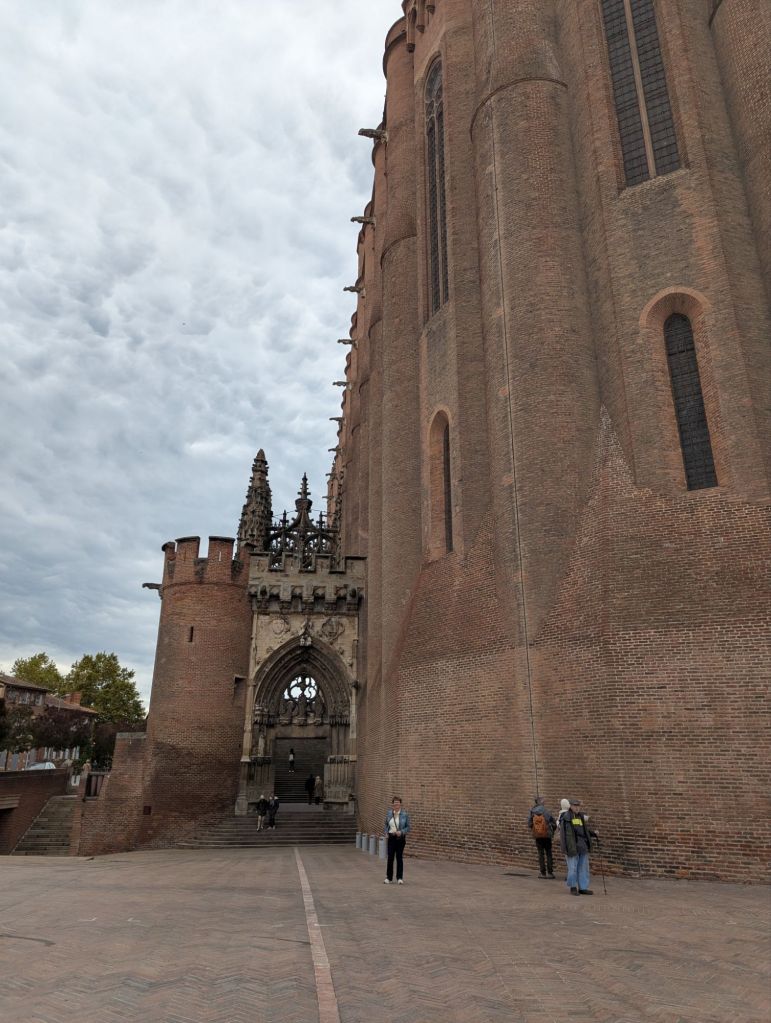
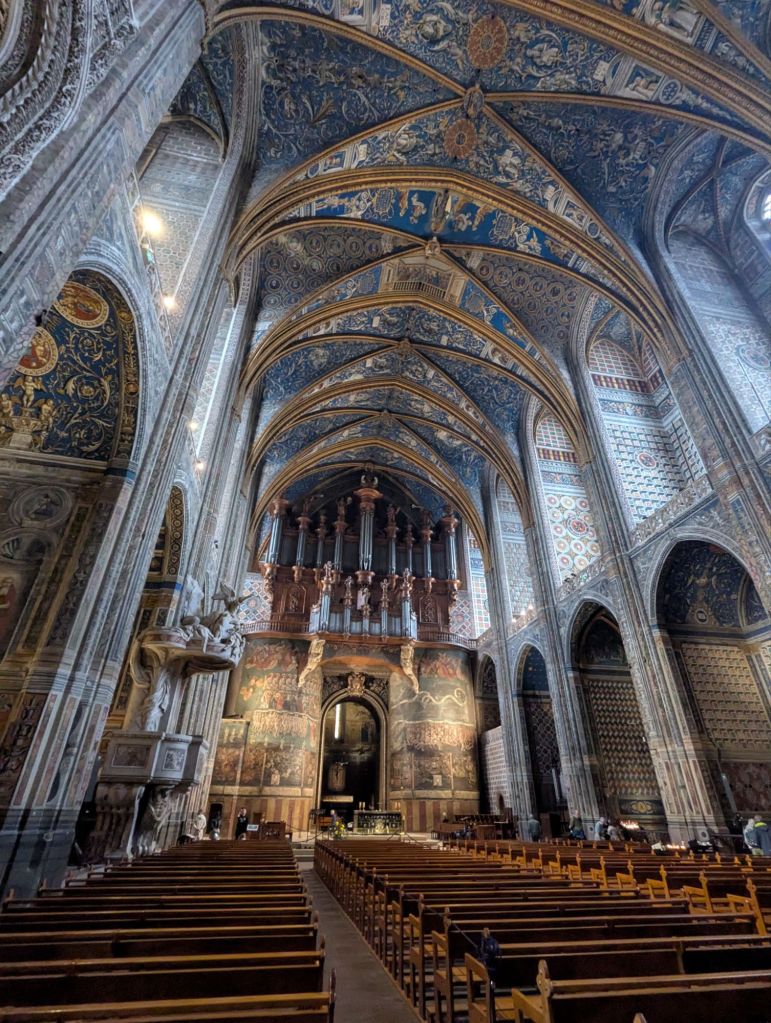
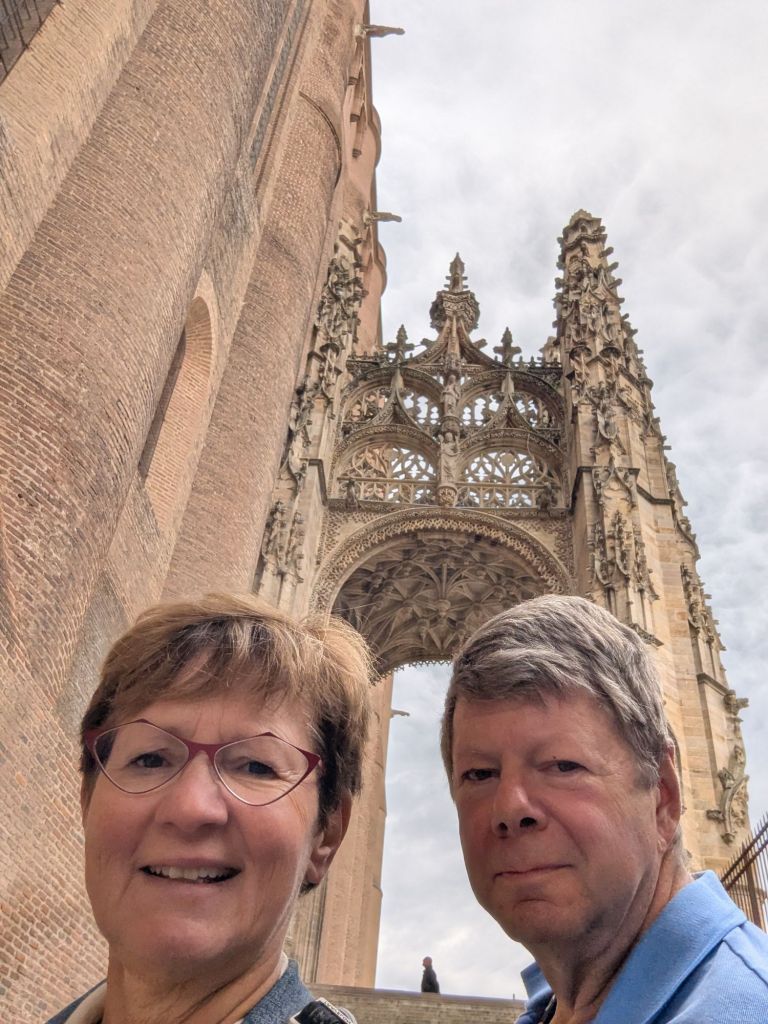
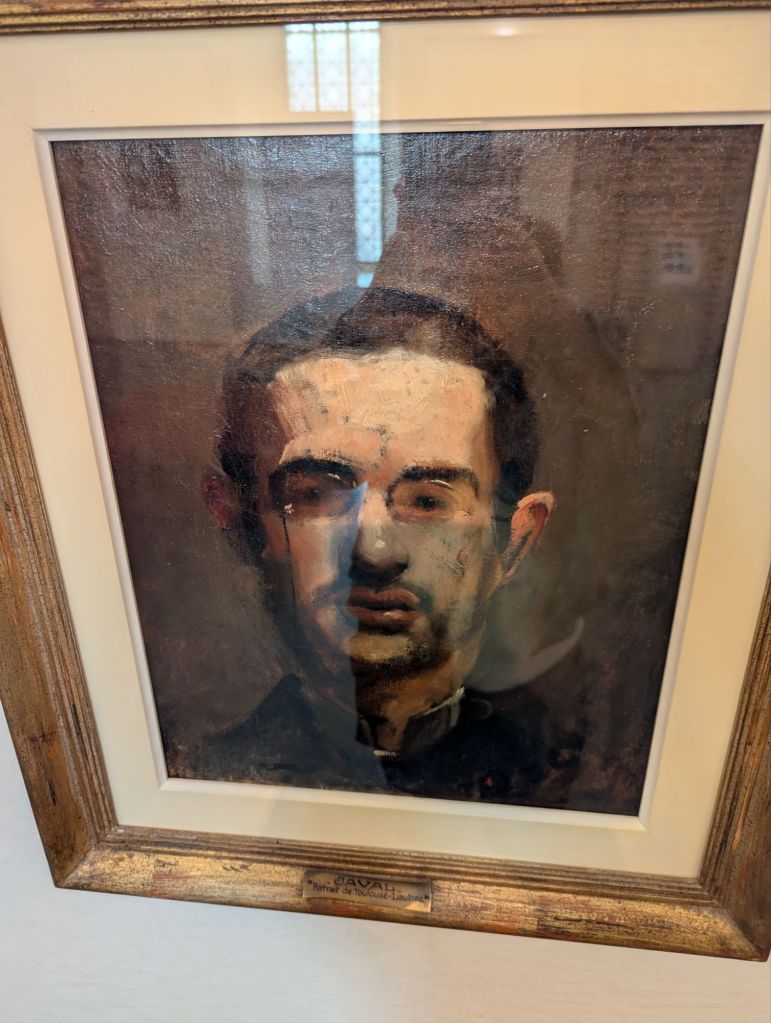
Next, we stopped in Albi to visit the Musee Toulouse Latrec, dedicated to the art of this tragic figure. We started seeing more buildings built with red brick, like the Cathedral of St. Cecile, the largest red brick building in the world, built in the 1400s, and attached to the de Berbie palace where the Latrec museum was located.

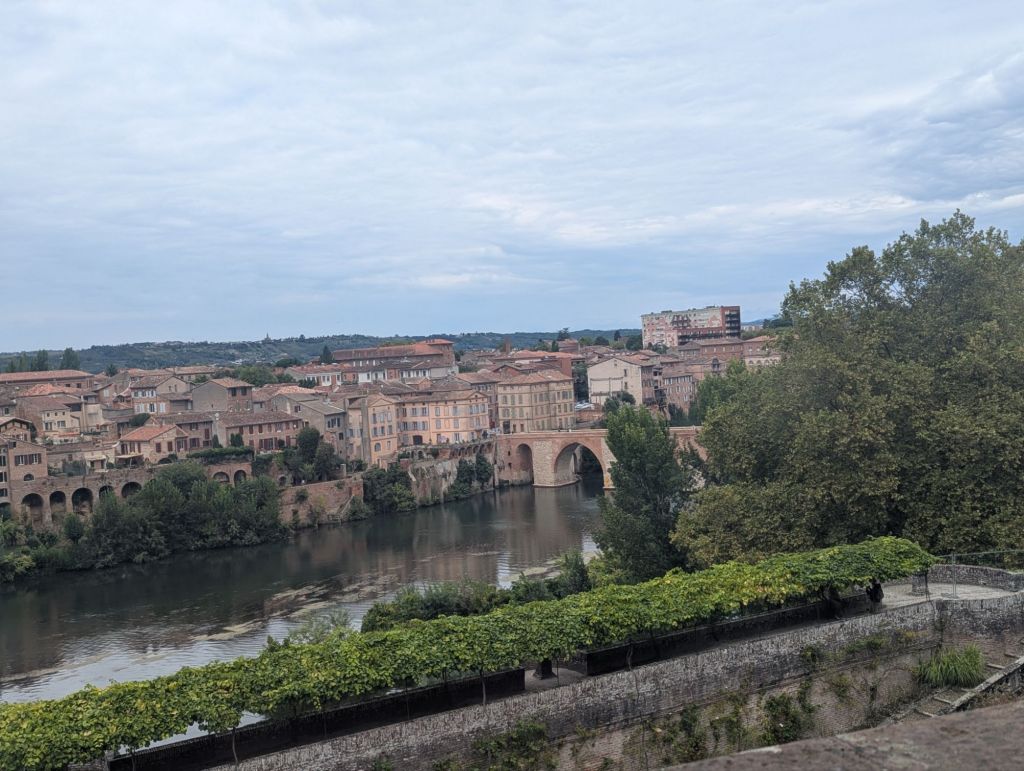
Our final destination that day was Toulouse, the Pink City, where we stayed at the le Cours de Consuls hotel downtown for 3 nights. After some rush hour traffic anxiety (narrow, ancient one way streets and a dubious GPS ability to navigate them) we arrived, got parked and checked in, and then went for a walk in this beautiful city on the Garonne River. Red brick prevails in the architecture of the Occitanie region of France (southwest). Also noteworthy in this region, wine and cheese… Wait… That’s everywhere, and it’s delicious!!! Anyway, after a stroll across the Pont Neuf, which, at 600 years old is the oldest bridge in Toulouse, we dined at la Brasiere on foie gras, lamb, and steak with foie gras. And wine.
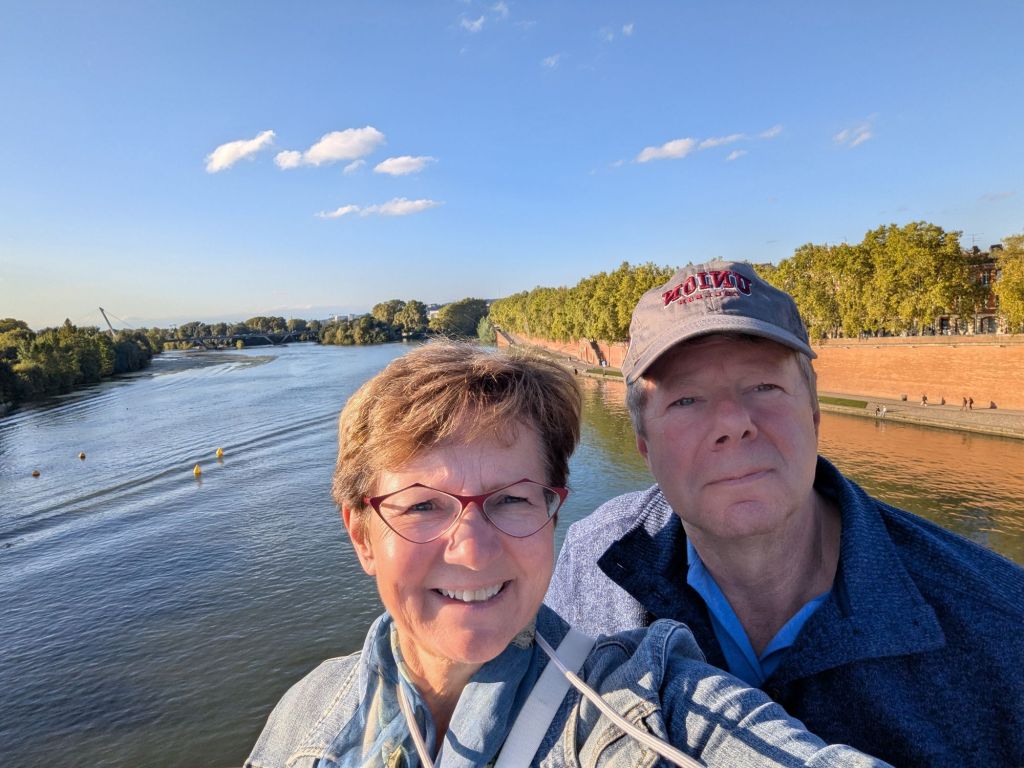
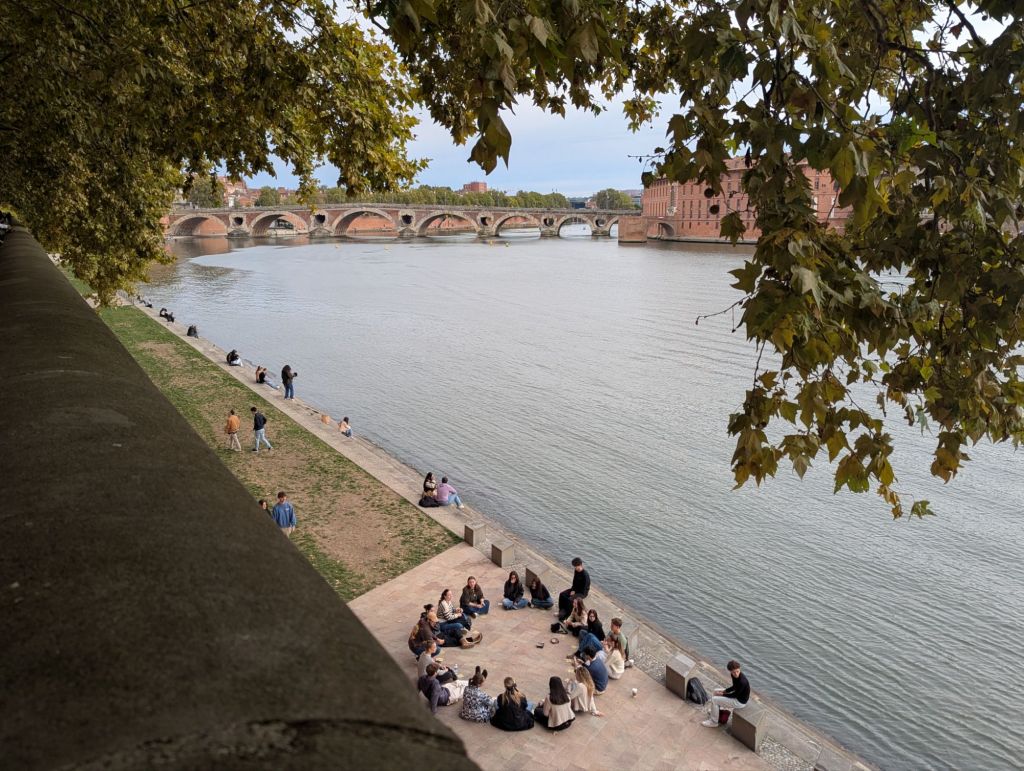
We spent a whole day wandering Toulouse, a very comfortable walking city of 500,000 pop. A Saturday, people were strolling and shopping and cars were limited, though bikes and motorbikes were not (I’m lucky I got out alive.) We visited many churches, parks, a few shops, and the unexpectedly delightful Georges Bemberg’s Foundation with a wonderful concentration of Impressionists and a whole room dedicated to Pierre Bonnard, founder of the Fauvism movement. We also slowed down, chilling at a couple cafes in the city center and enjoying a Toulouse version of the “Lady Geraldine” pizza (a ‘thing’ I’m trying to make happen at our favorite pizza food truck: Pepperoni, bacon, and green olives. Yum!) Dinner was at La Cendree but we did not like the ultra rare cooked steaks, a French preference, so there’s that. Some sites/sights:
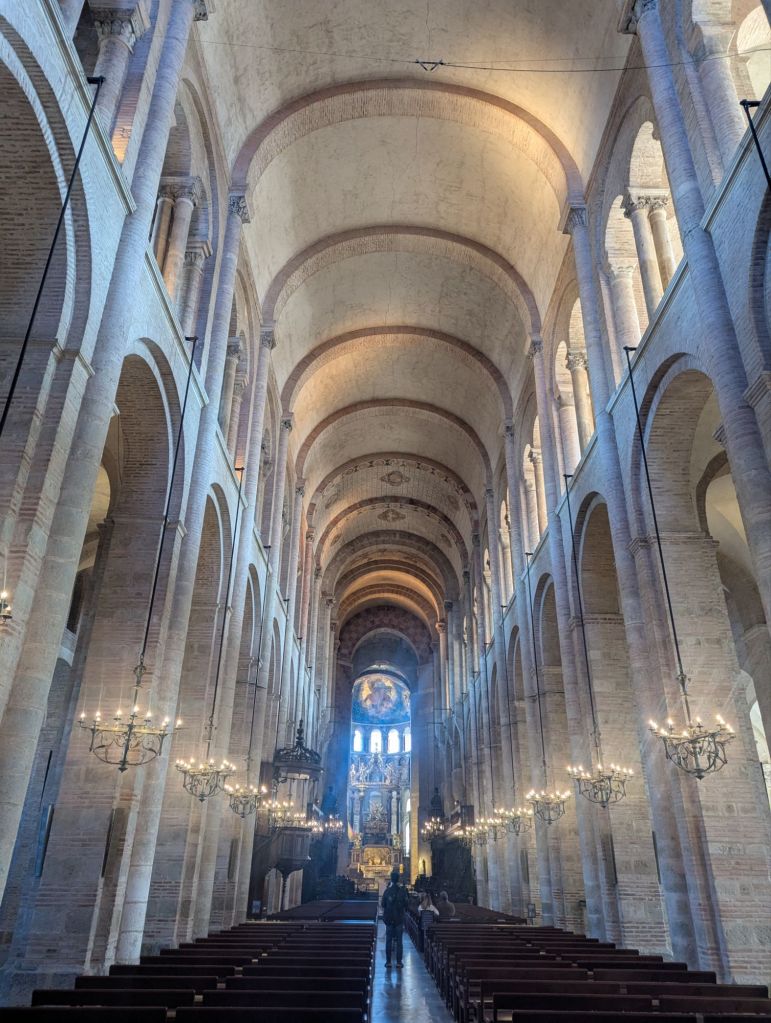
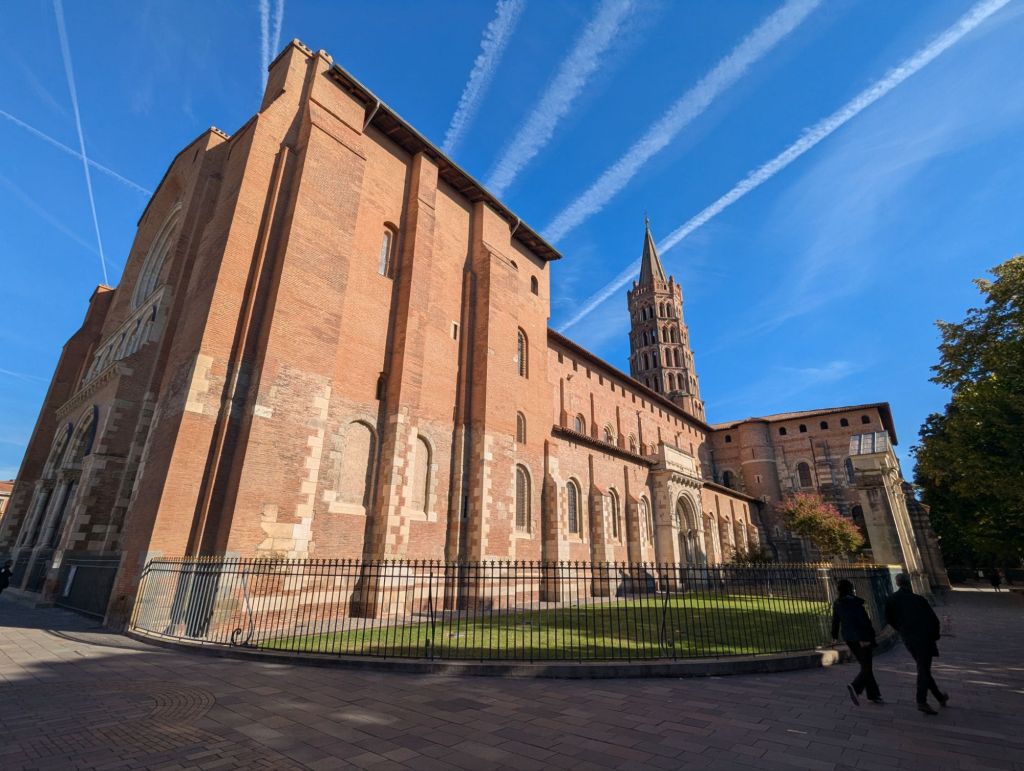
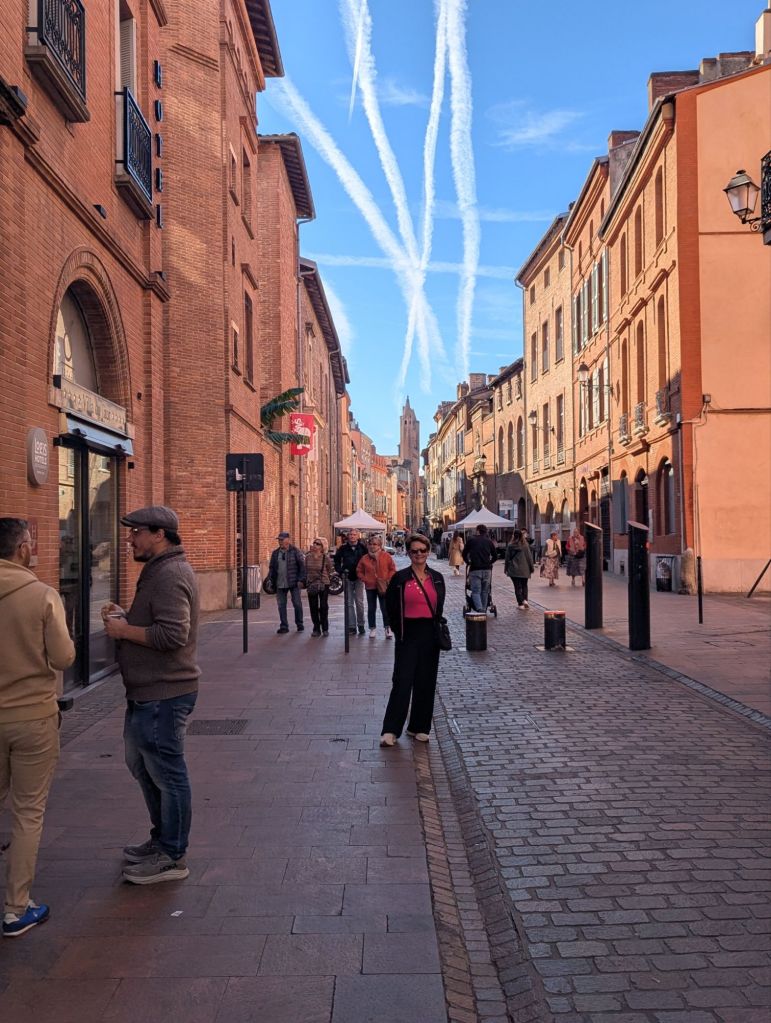
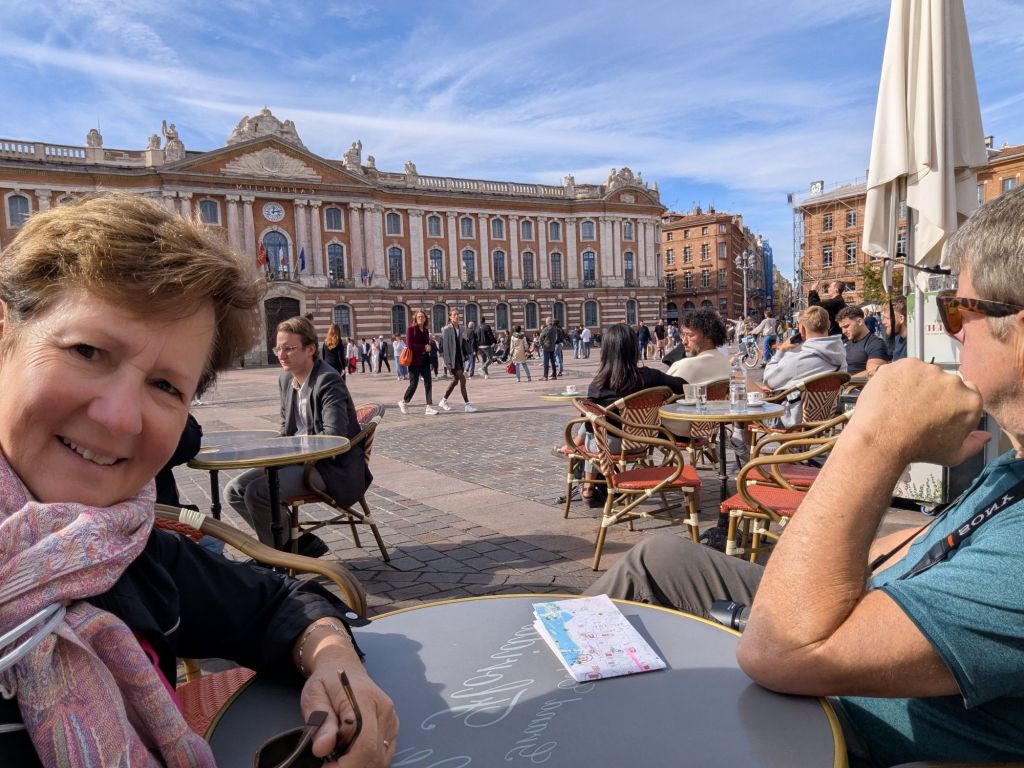
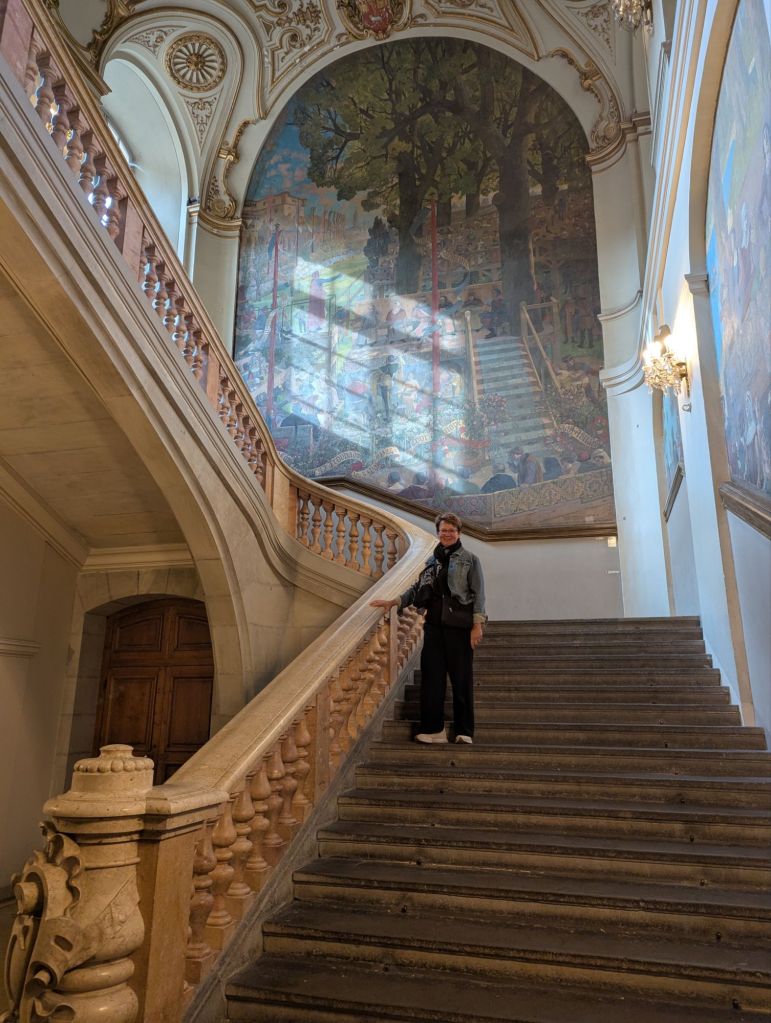
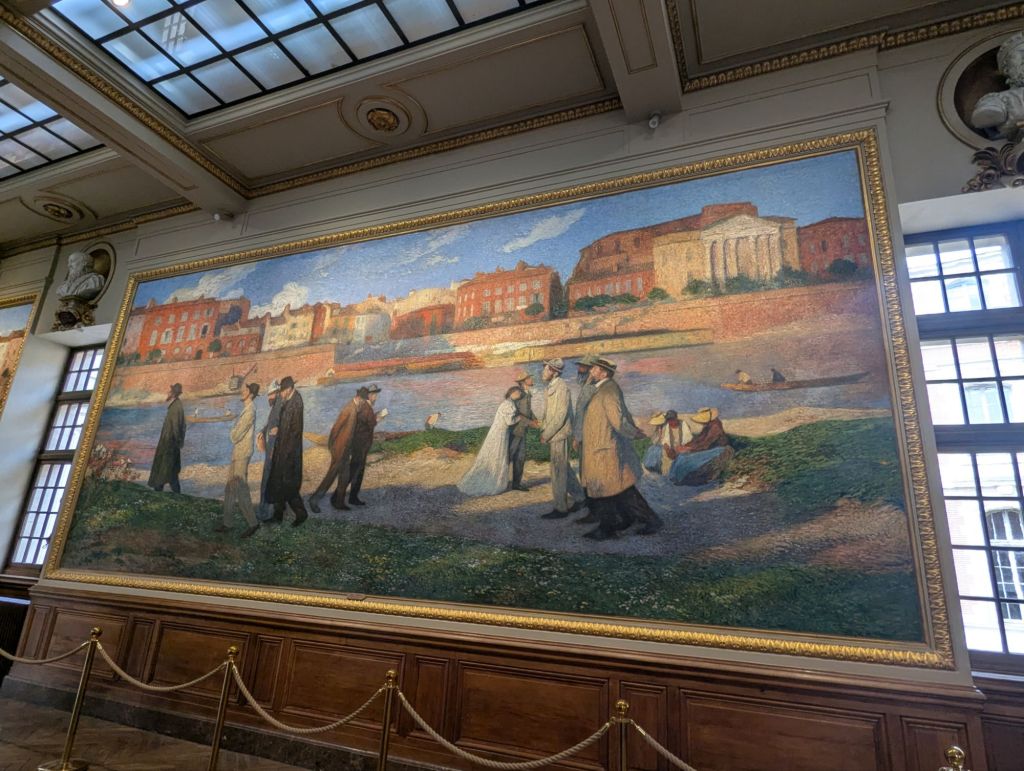
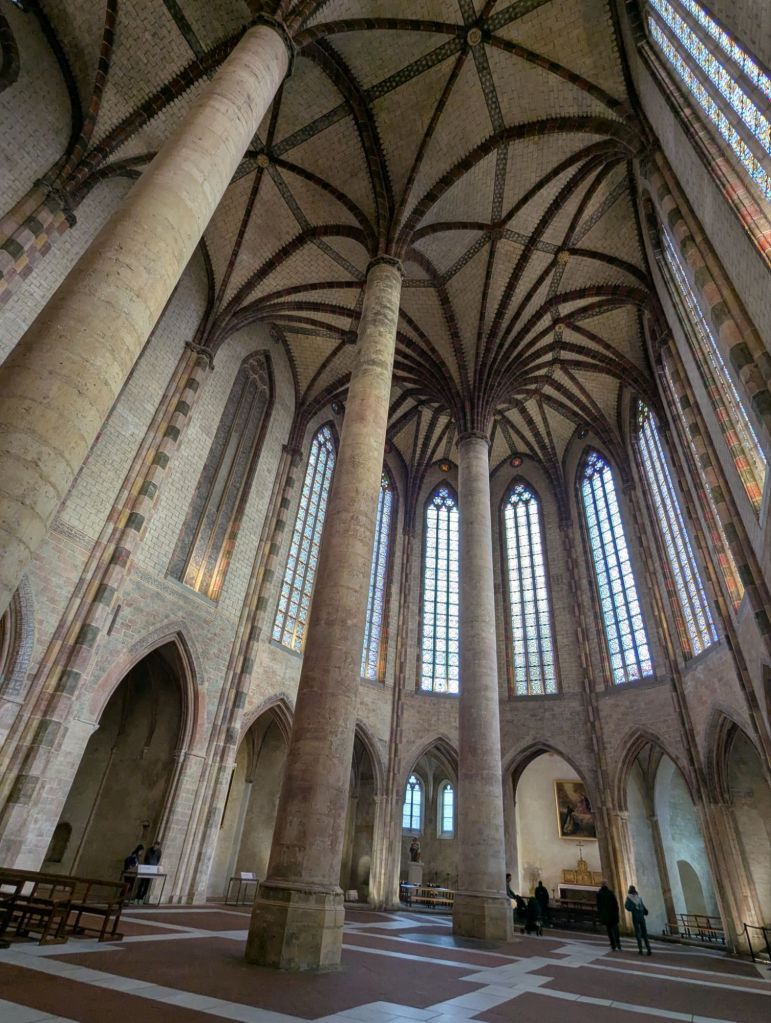
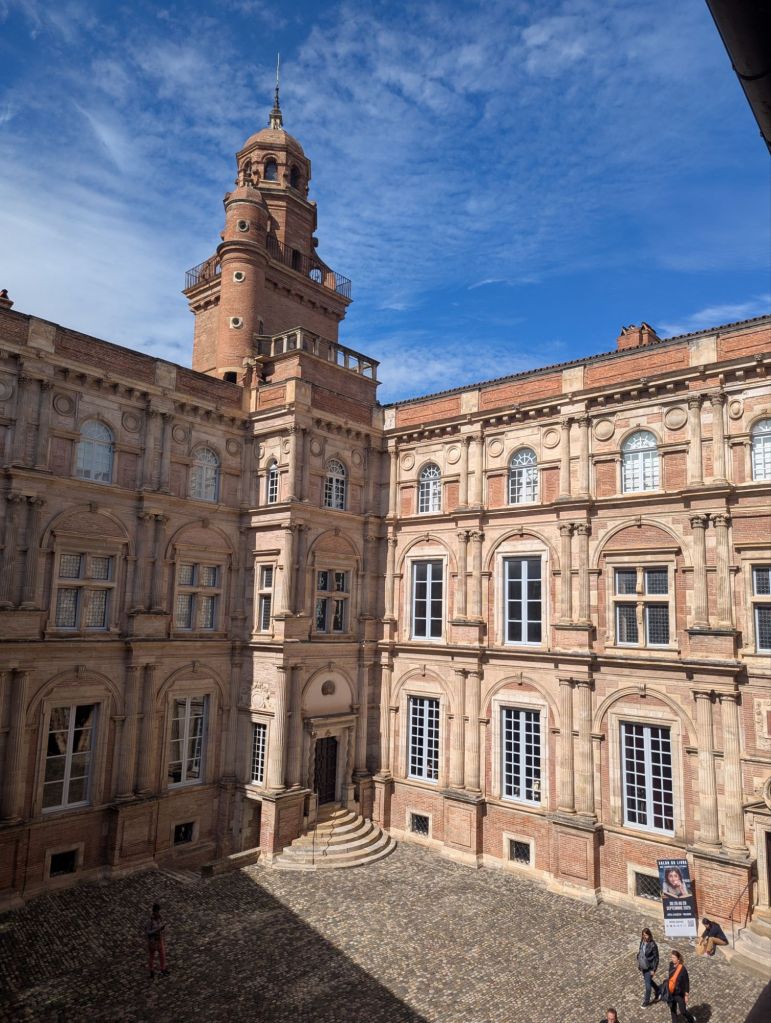
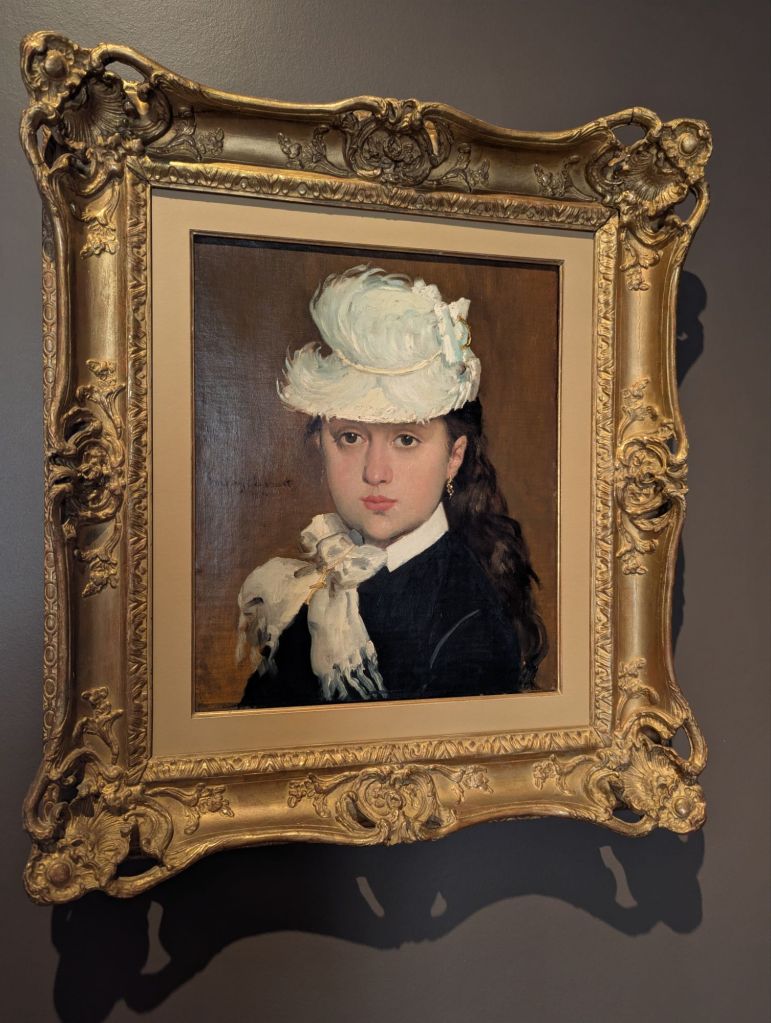
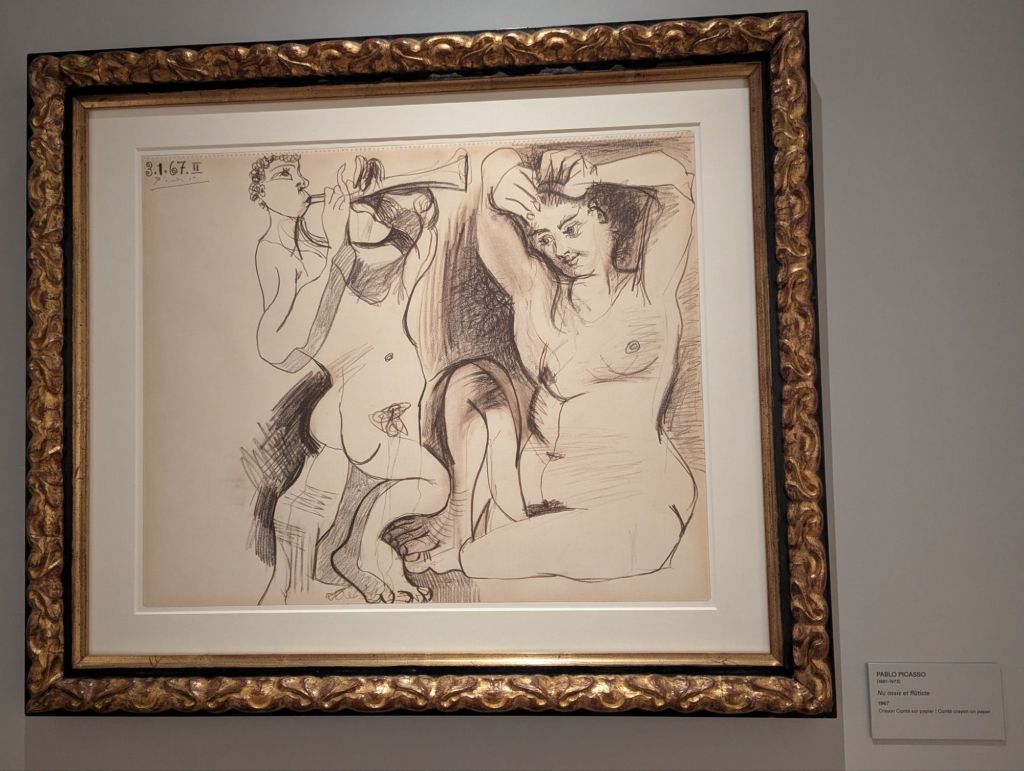
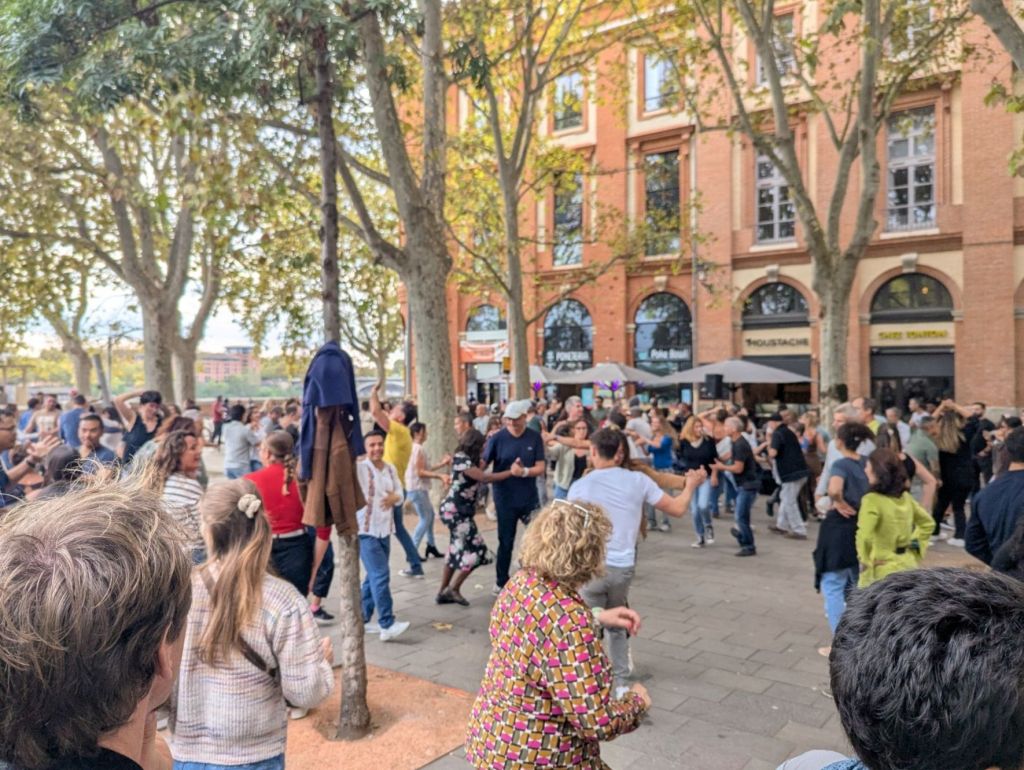
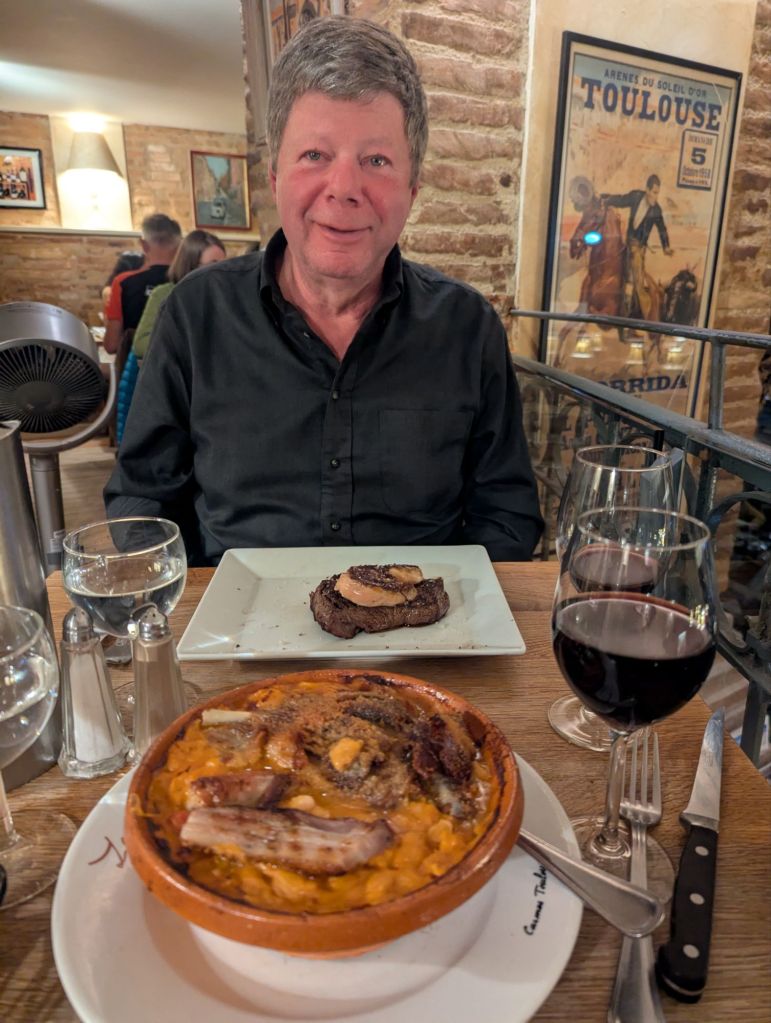
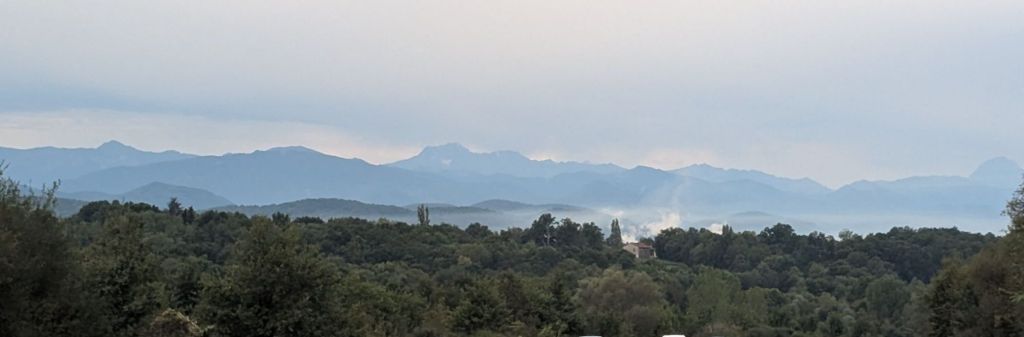
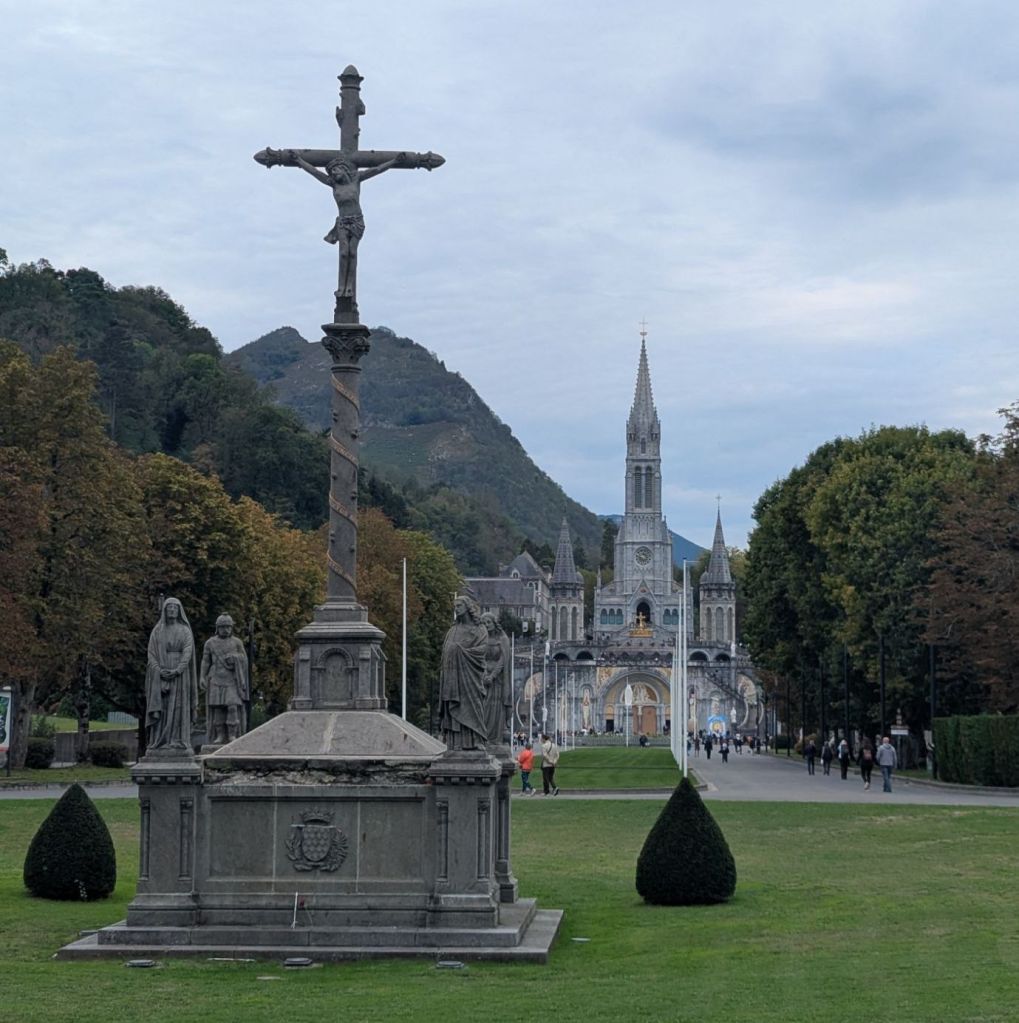
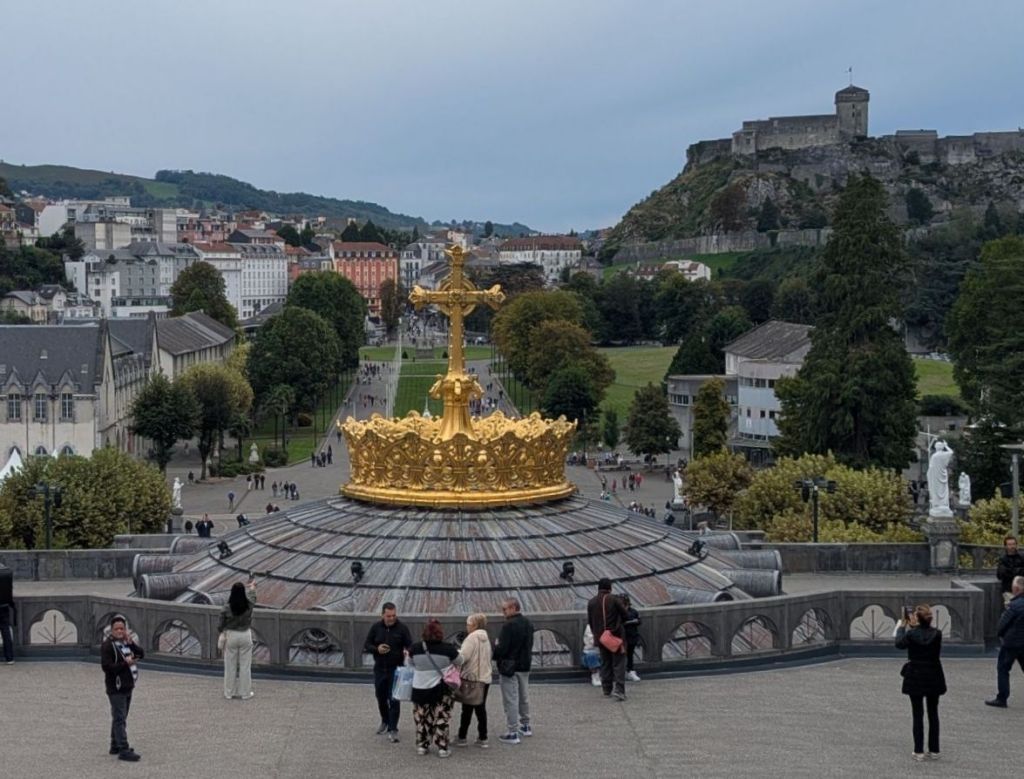
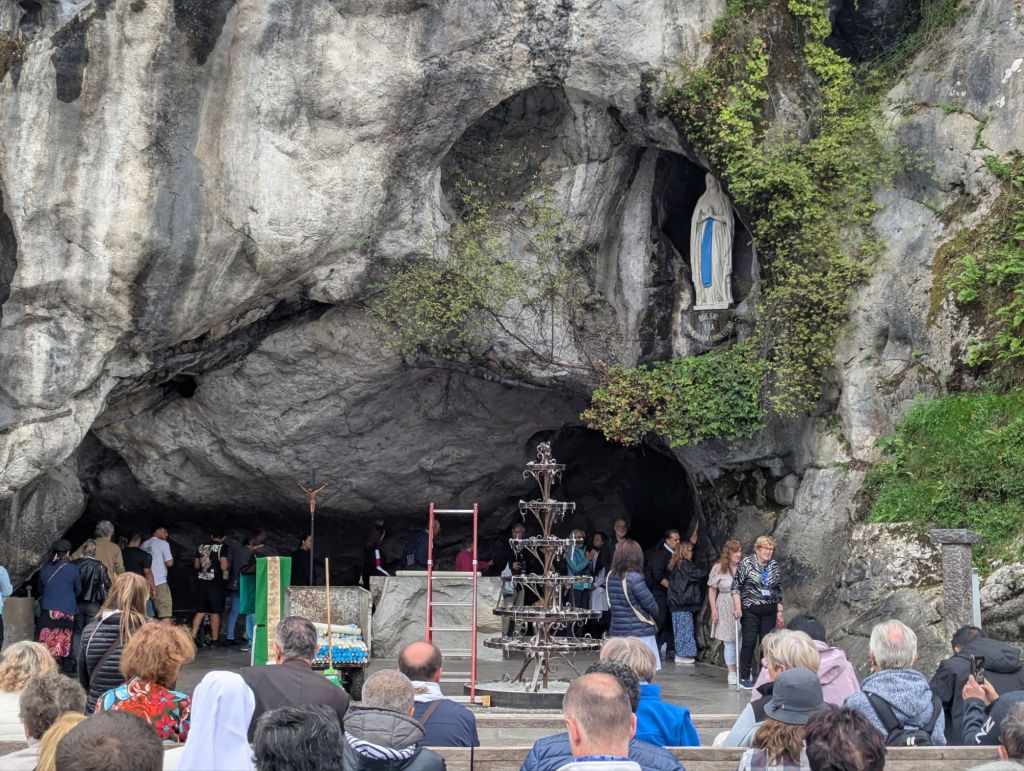
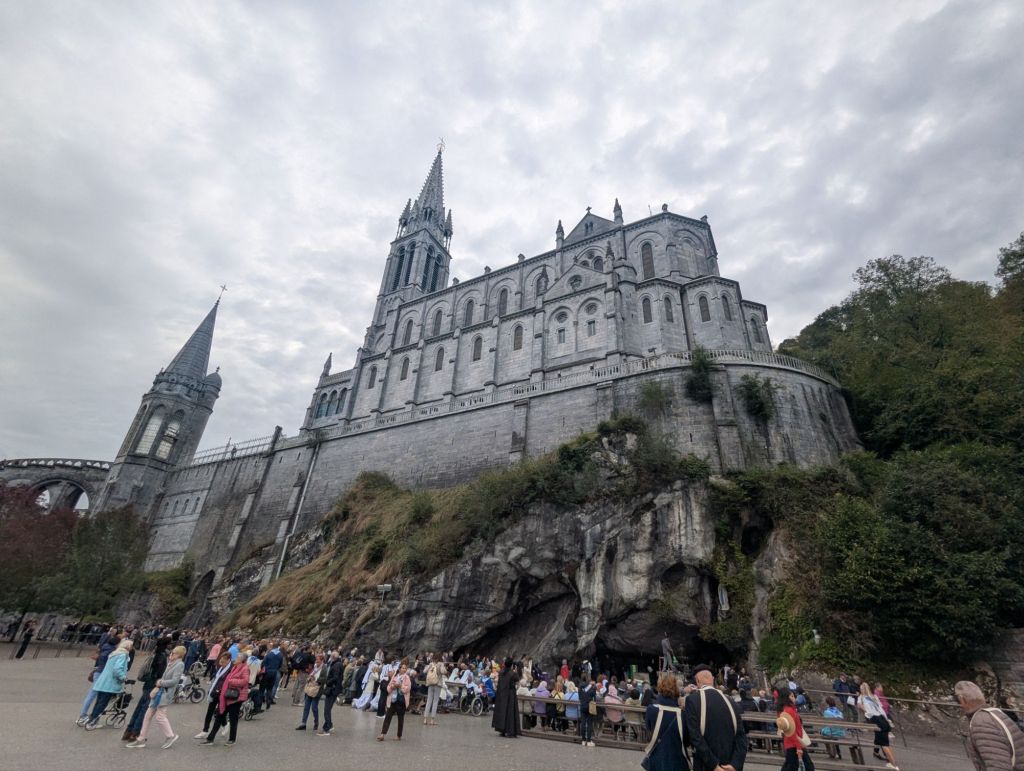
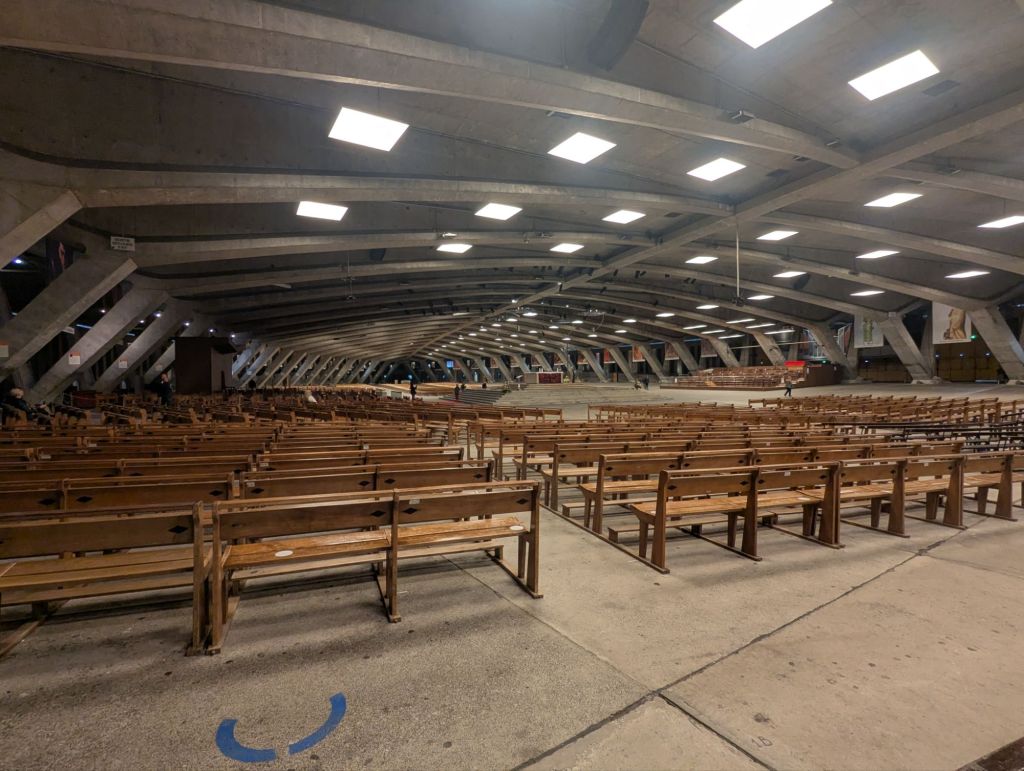
Now Sunday, the end of the trip nears and so does another French strike. For now, we’ll keep enjoying the beautiful country and it’s people who have been nothing other than friendly and welcoming. Today we drove (Greg drove) 2 hours southeast towards the Pyrenees to visit Lourdes. This very famous Catholic shrine commemorates the visitation of Mary to a very young St. Bernadette in a grotto near the Ousse river. There are 3 chapels onsite and throngs of visitors and pilgrims, many of whom come to pray for healing. The grotto has a line of believers who trace the walls with their hands. There is also a huge underground church which can hold 20,000 attendees! We took our leave, after blessing ourselves with water flowing from the grotto, and headed out amongst the crowds. On our way back to Toulouse we were surprised by a young female hitchhiker at a toll booth asking for a ride. A young Belgian, she was returning home after injuring her feet on the Camino trail, so we drove her to Toulouse. Dinner again at la Brasiere because we loved it.
We left Toulouse for Montpellier, stopping at Carcassone on the way. A medieval walled citadel (is that redundant?), we strolled the town but declined the chateau tour as we’ve seen plenty. We were there early so the crowds were very light; this place is a huge tourist destination. And we continued on. Greg’s been doing lots of driving, at least 1 to 3 hours between hotel destinations with lots of stops in between. Aside from the narrow rural roads, I’d say slow trucks on highways, constant roundabouts, oblivious/entitled city bikers and pedestrians, unnecessary nagging from our hybrid rental car (“too fast”, “changing lanes”), and expensive gas were a few of his peeves. And there may be a few speeding tickets awaiting us when we get home.
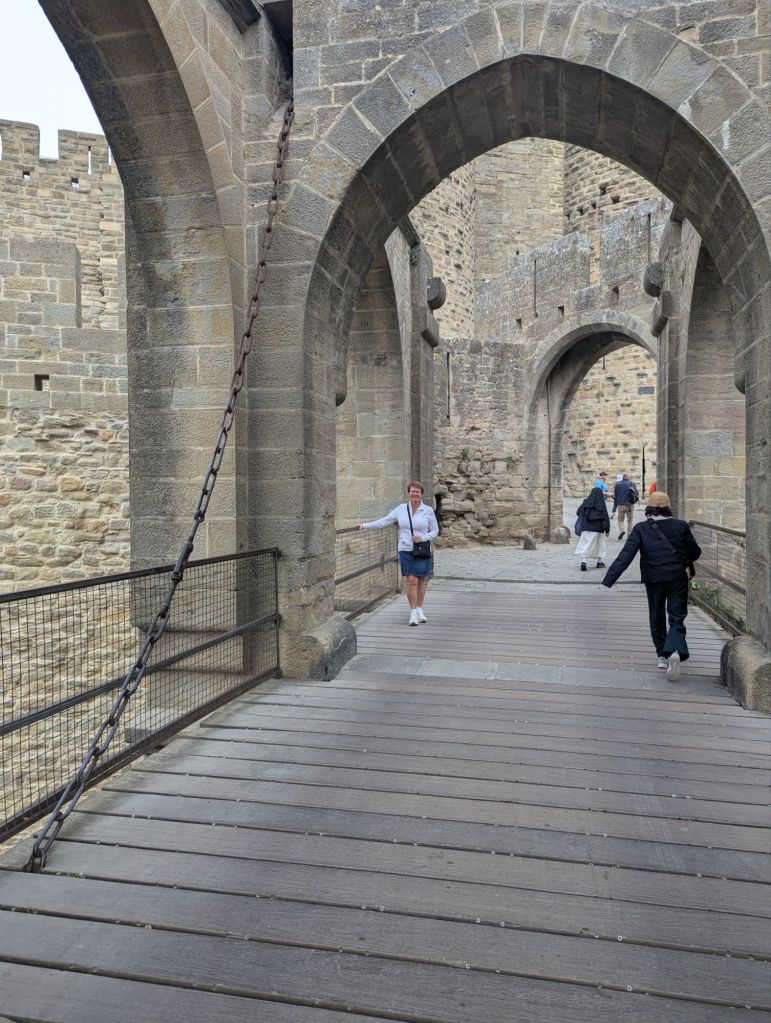
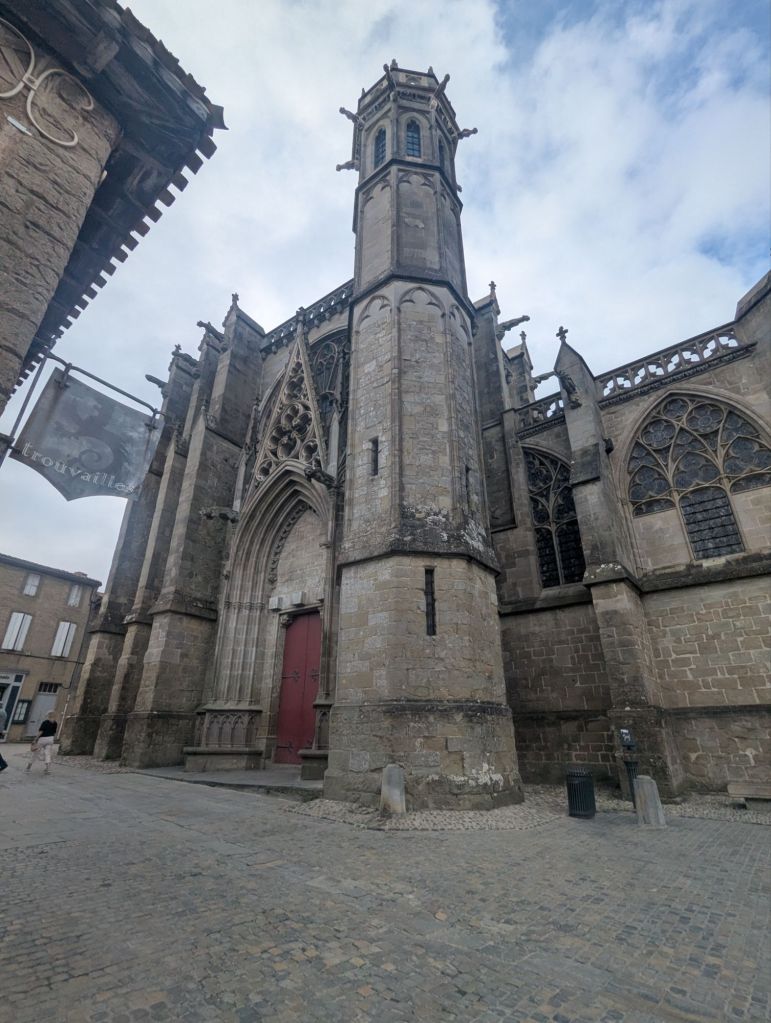
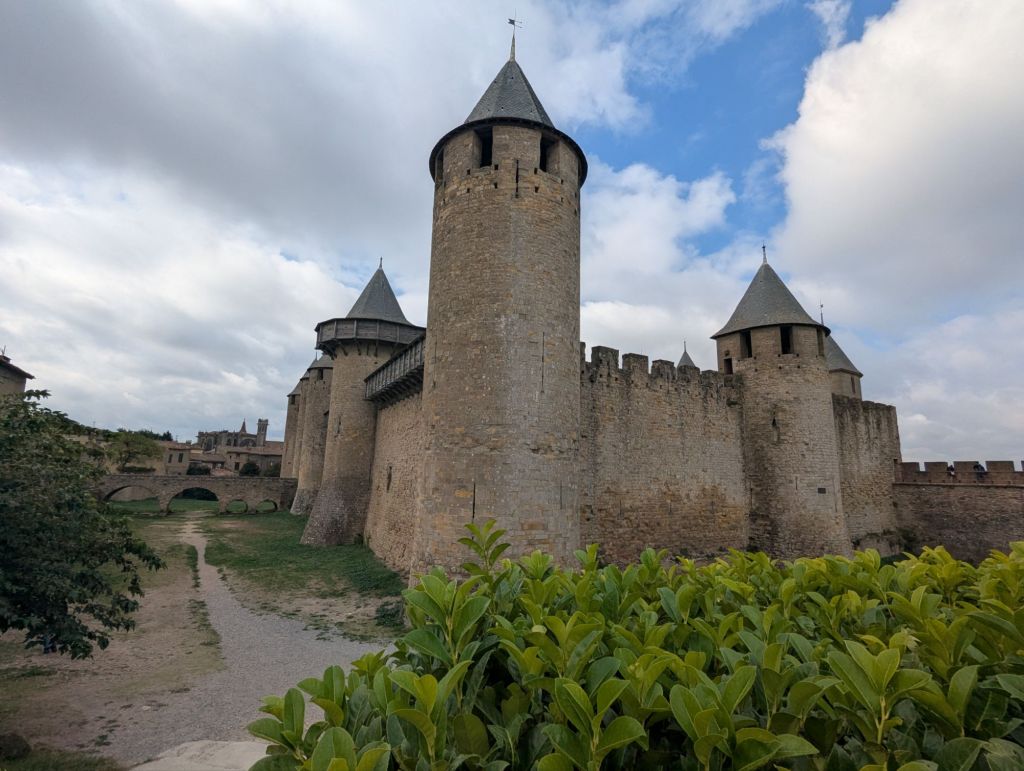
Carcassone, everything you think a castle should be. With gift shops and tourists.
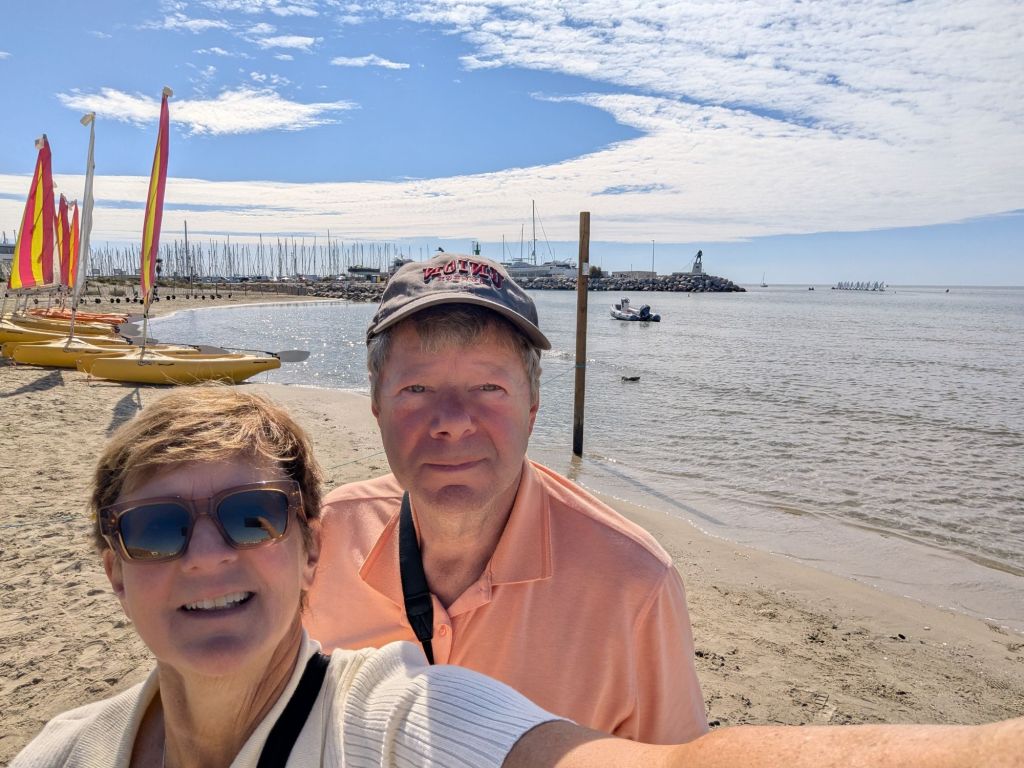
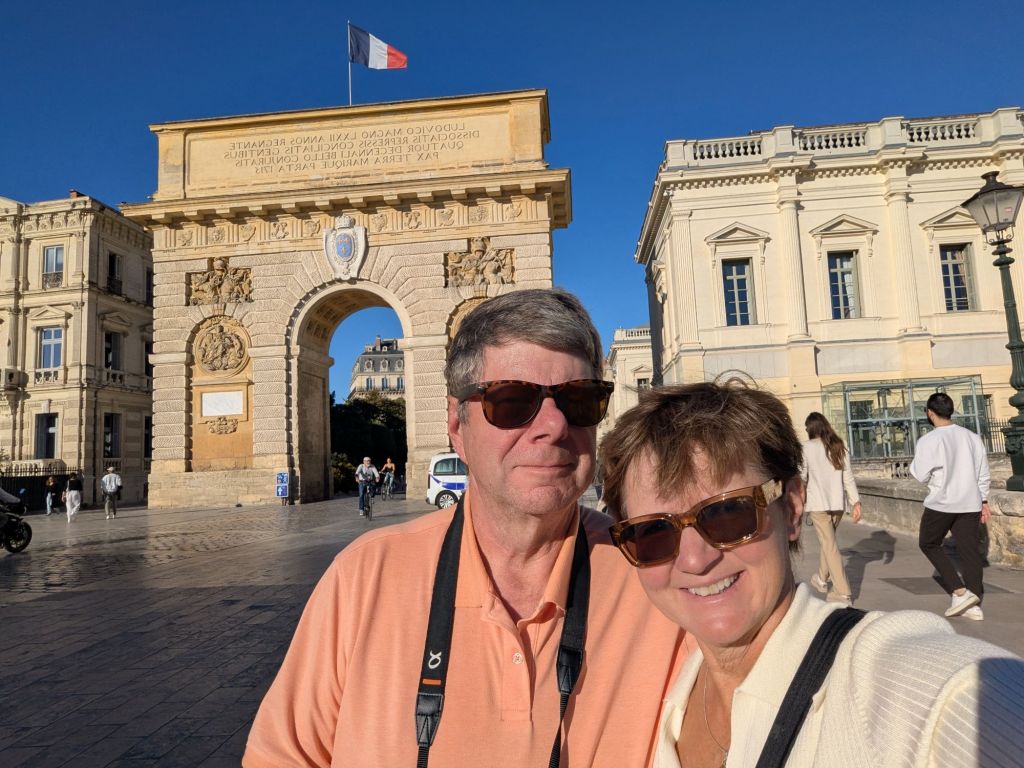
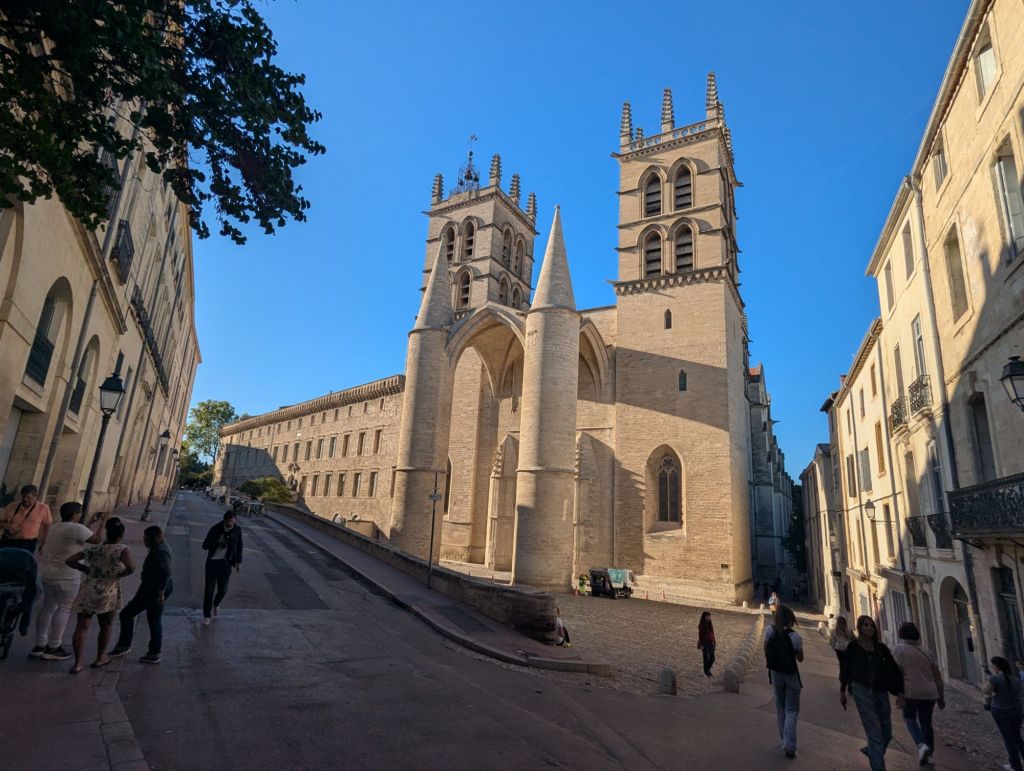
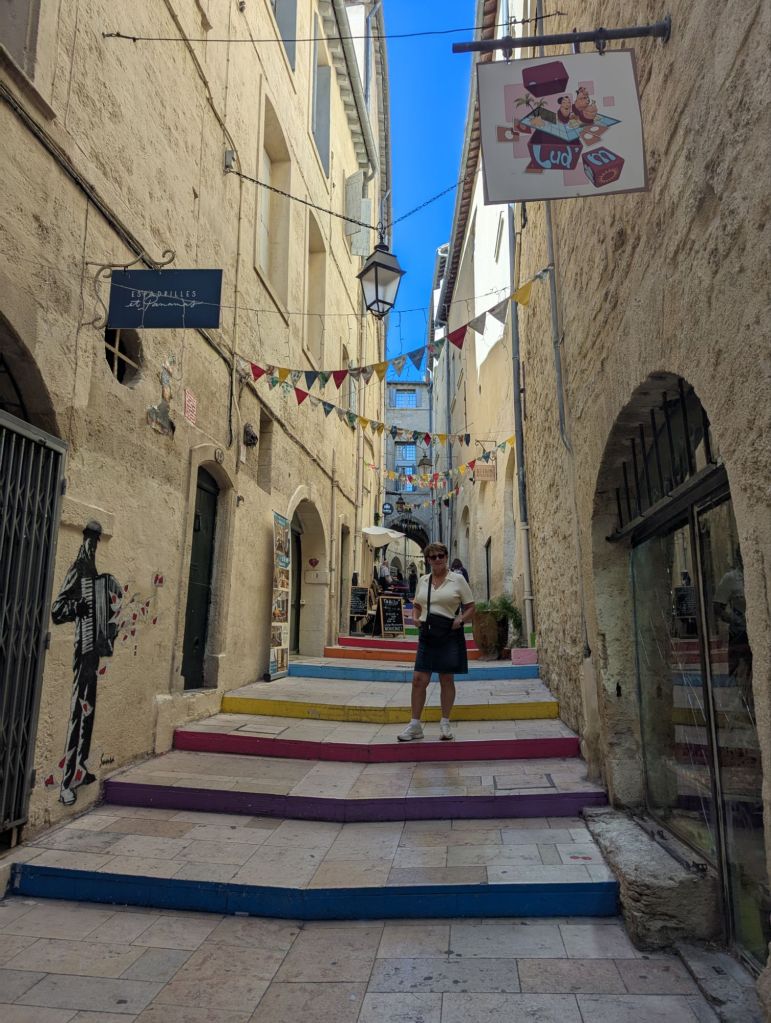
From Carcassone we headed to Montpellier but, first, a stop at the coast. We strolled the long white beach and boardwalk at Palavas et Flots, a little fishing village on the Mediterranean sea shore. The water was warm and clear. We lunched on fish soup and tuna tataki. Our hotel in Montpellier, the Richer de Belleval, was hard to find, in a square near the local Arc de Triomphe. Again, with the tight parking garages! The service was excellent once we located the hotel and the sun was shining so we walked old town Montpellier for hours. Buildings were tightly packed and narrow alleys beckoned. Greg was trying to remember everything when he had been here 30-some years ago but even medieval cities like Montpellier can change. Or his memory did. Dinner at Bistrot la Canorgue: steak and duck and Foie gras and roasted figs.
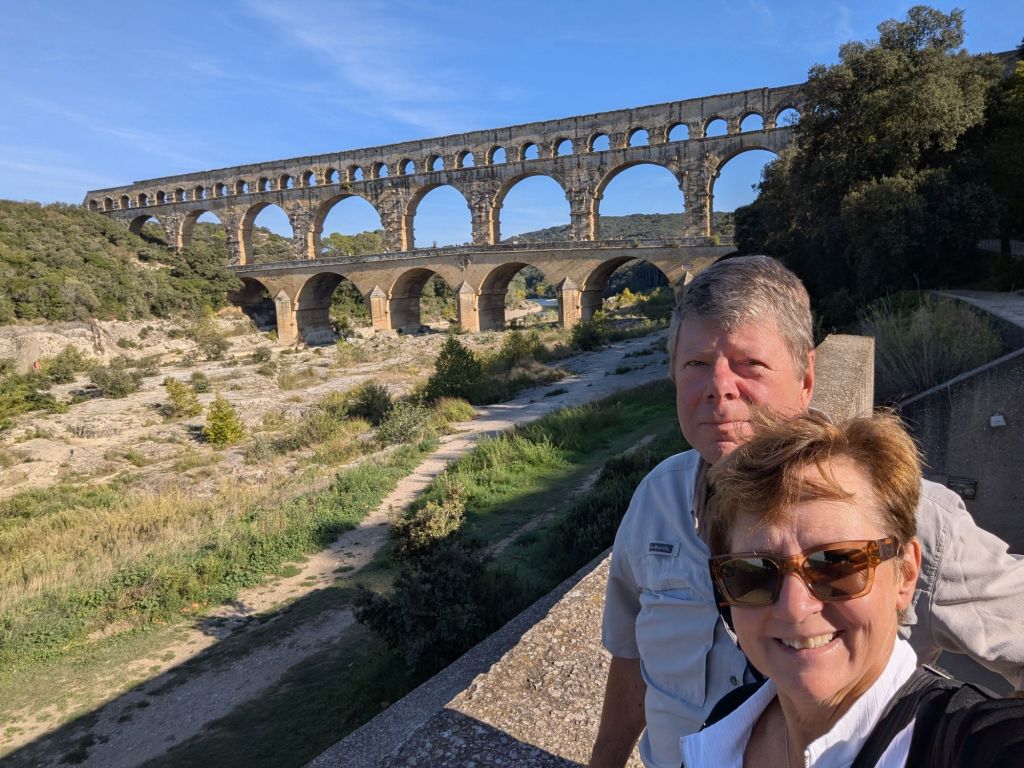
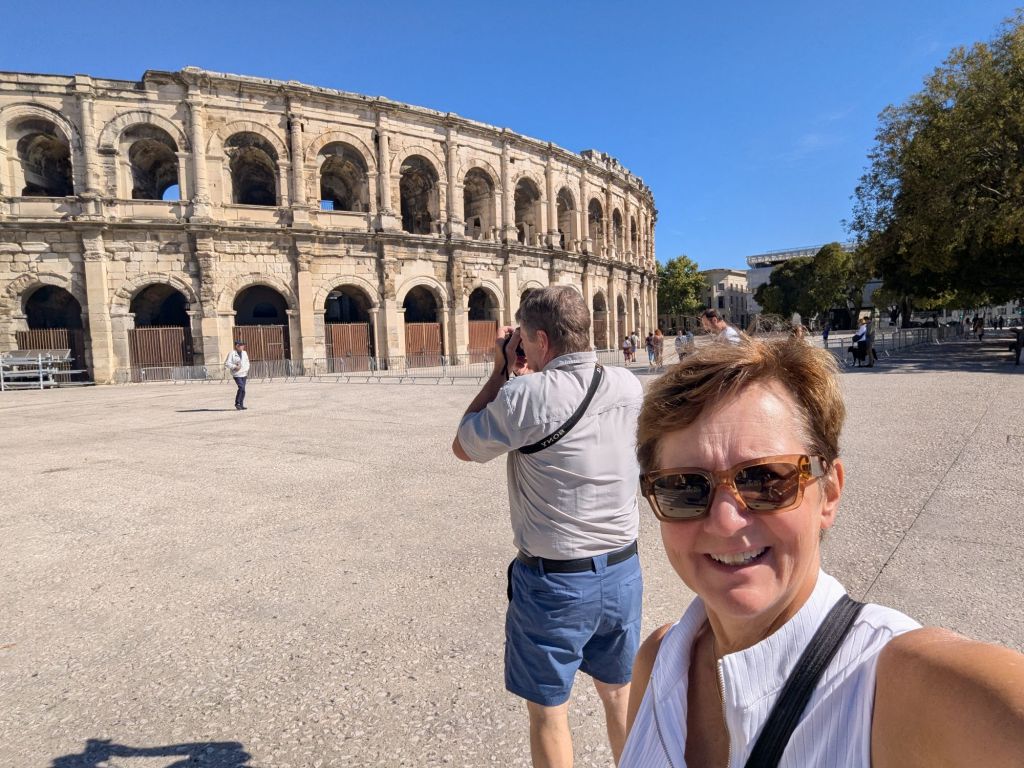
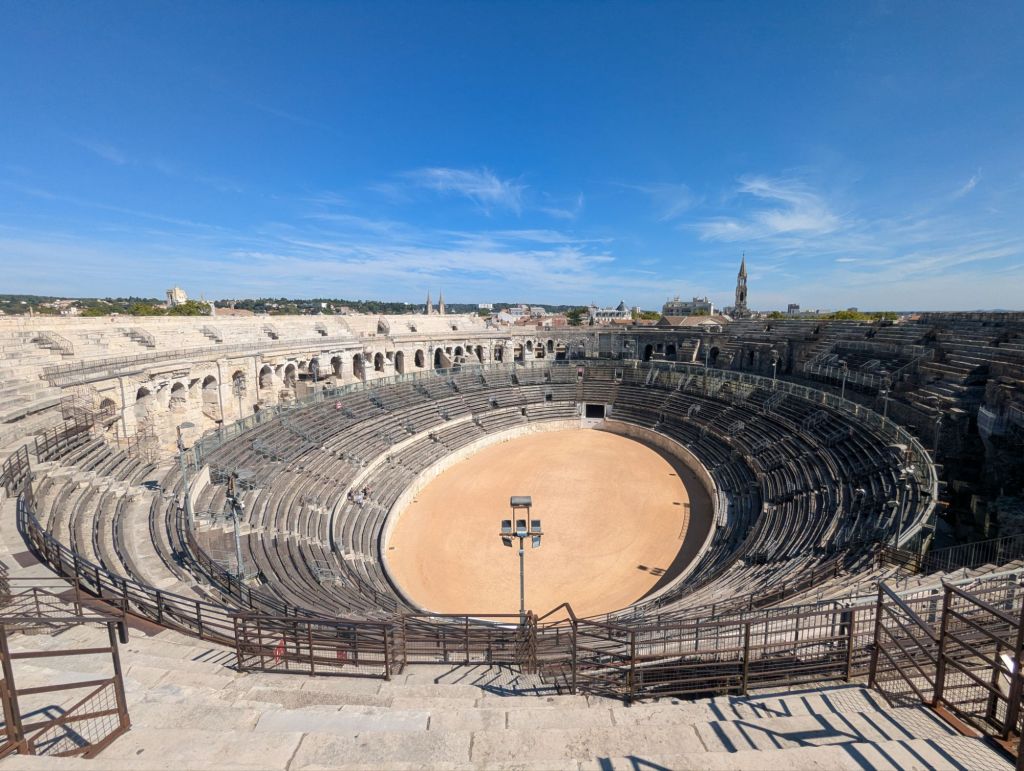
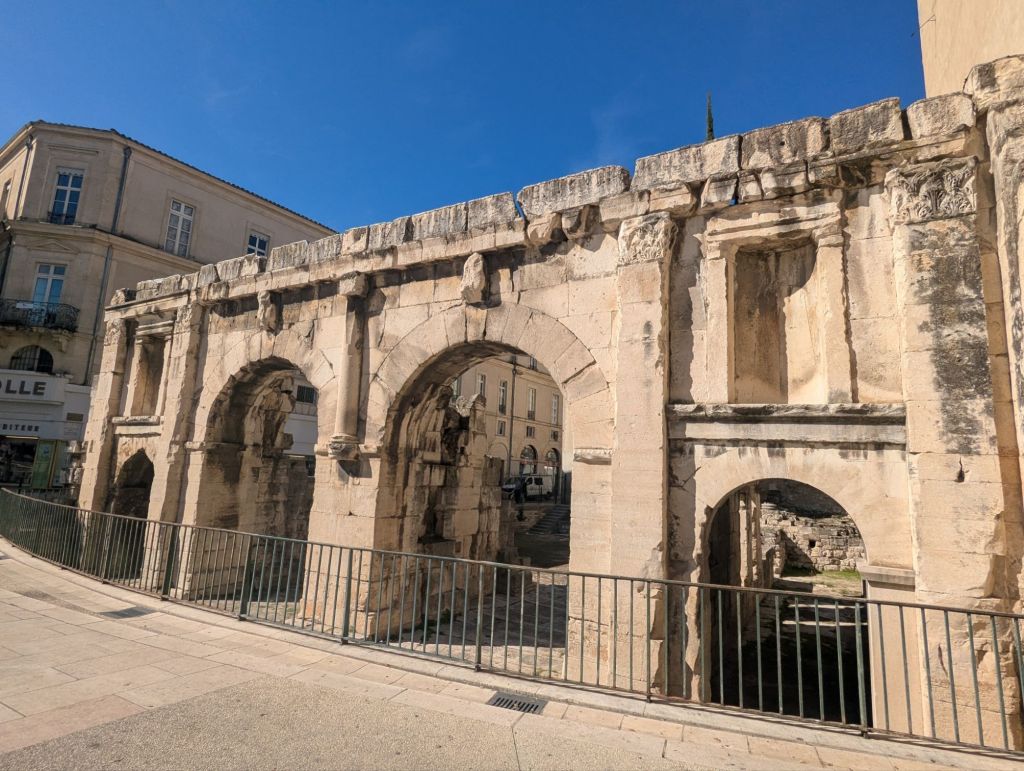
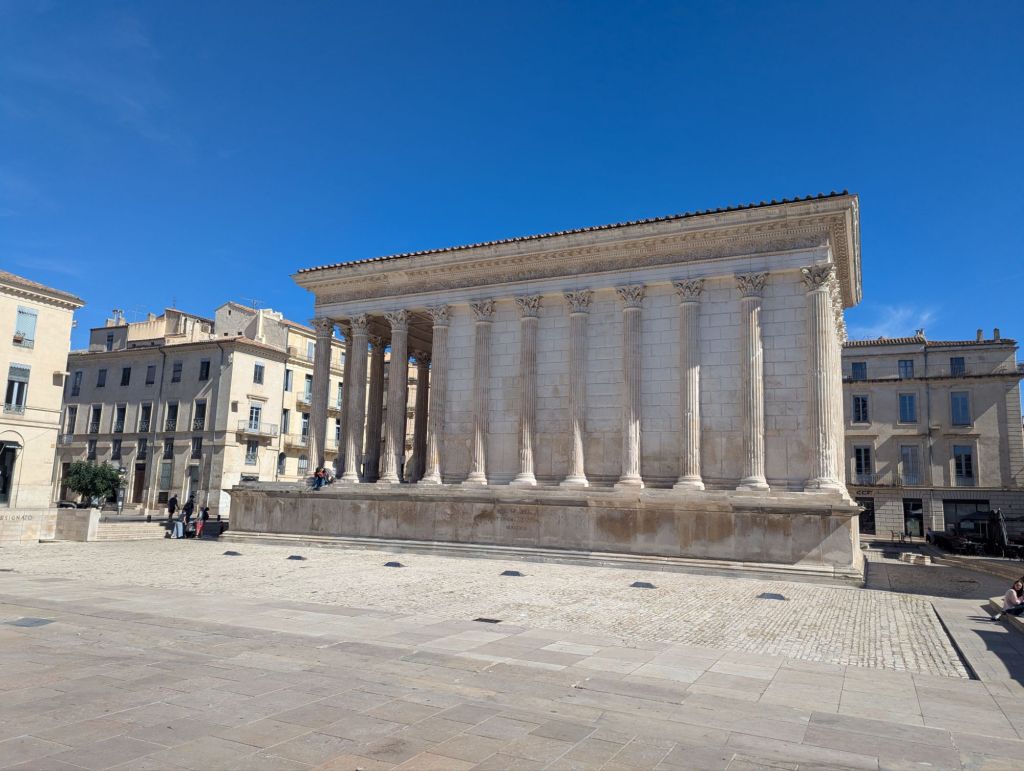
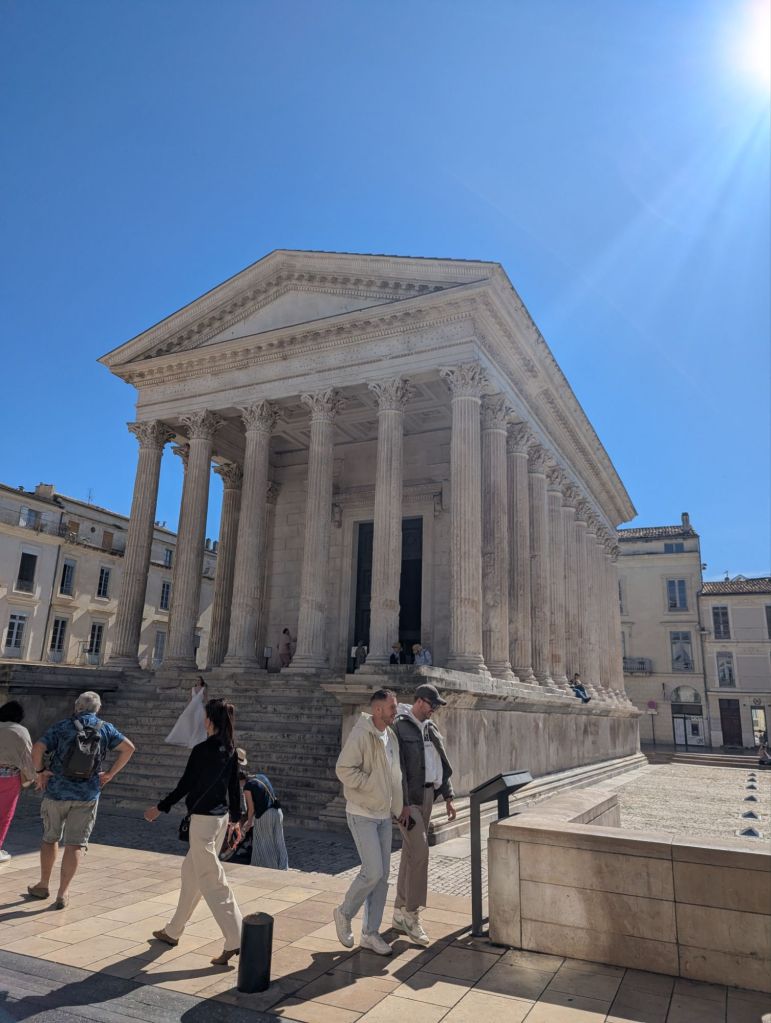
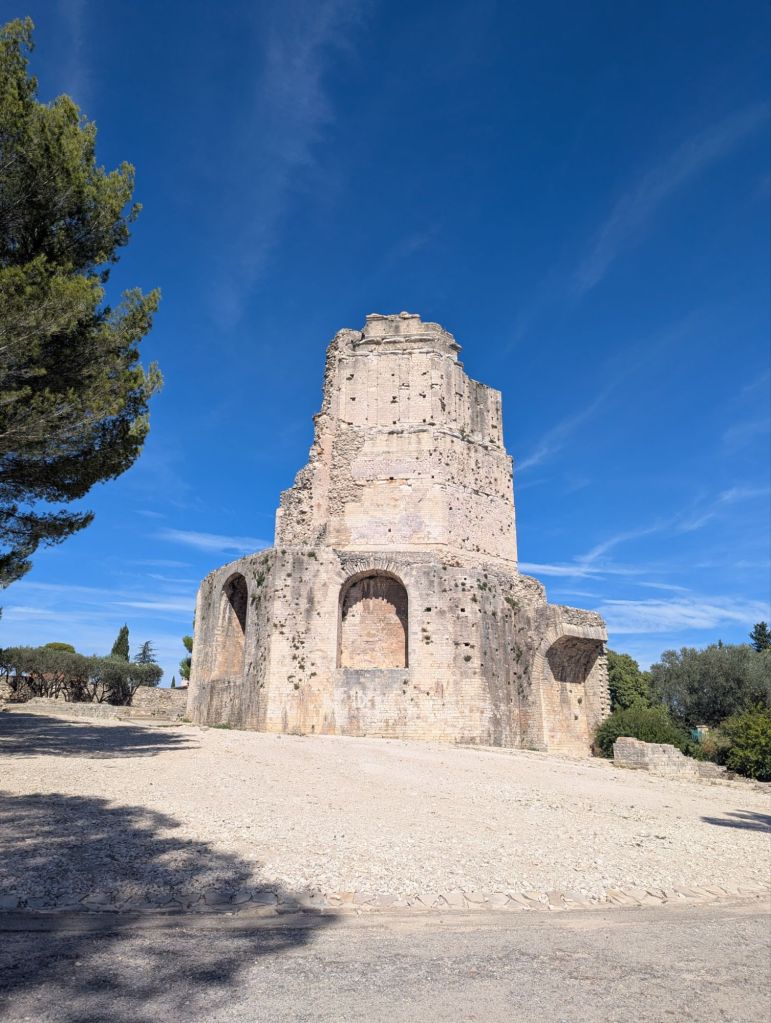
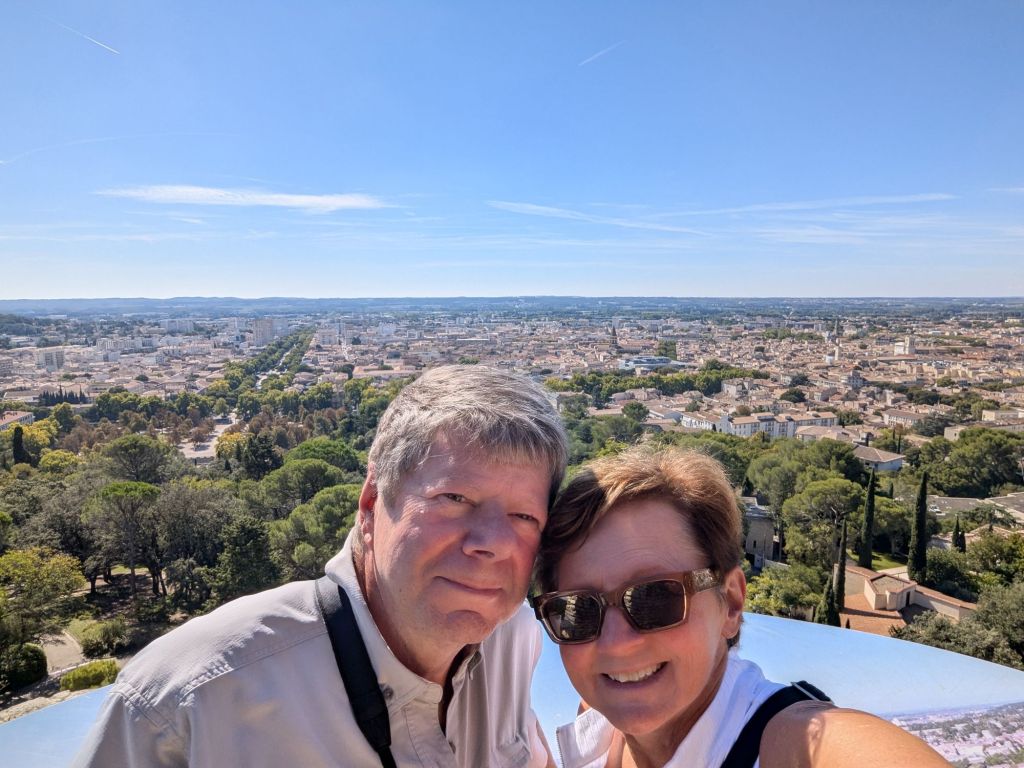
We left Montpellier after breakfast and headed to Provence. But first, Pont du Gard and Nimes. About an hour’s drive from Montpellier, Pont Du Gard is a spectacular 3 layer aqueduct built by the Romans in 100BC to 100AD timeframe. Twenty minutes south of there is Nimes, which readily accepted Roman rule back then since things weren’t going so well with the other 2 parts of Gaul. As a result, the Romans invested a lot in the area as it is situated between Rome and Spain and the rest of Western Europe. We walked miles around the city looking at the various Roman ruins in Nimes. It was a gorgeous day. The Nimes Arena is a spectacular Coliseum; smaller than in Rome and a few decades younger, but is still used today for festivals and the occasional bullfight. Also, we saw the Roman temple Maison Carree, the Port Auguste gate, and the Tour Magne, a remnant tower of the former walls of the city.
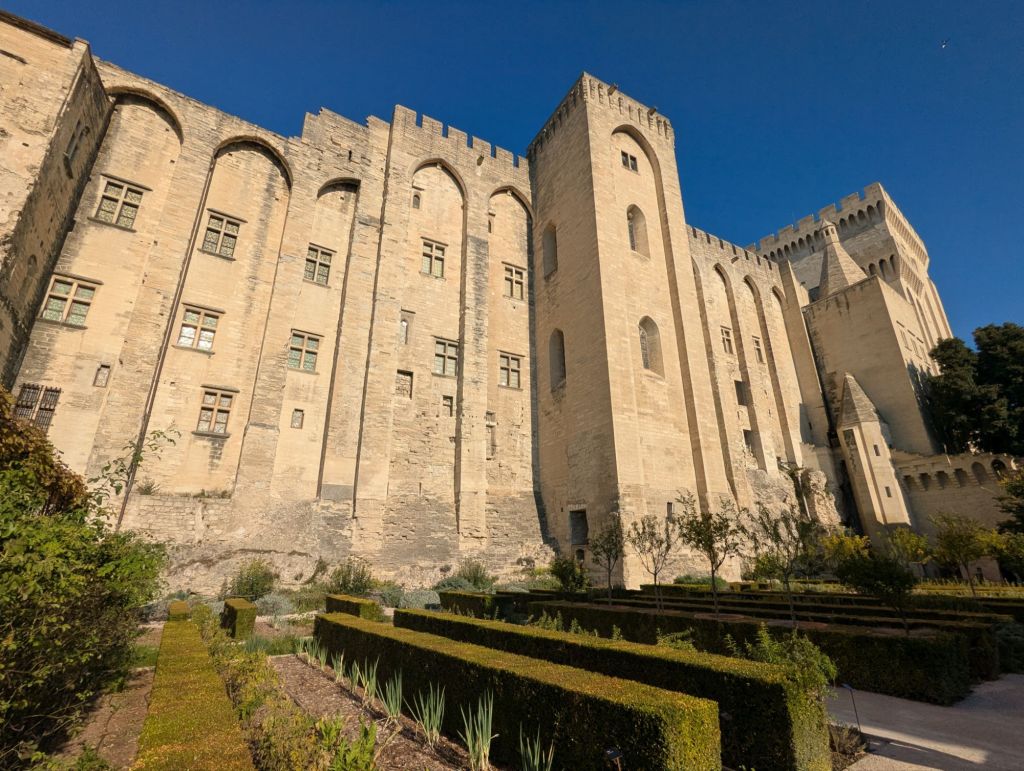
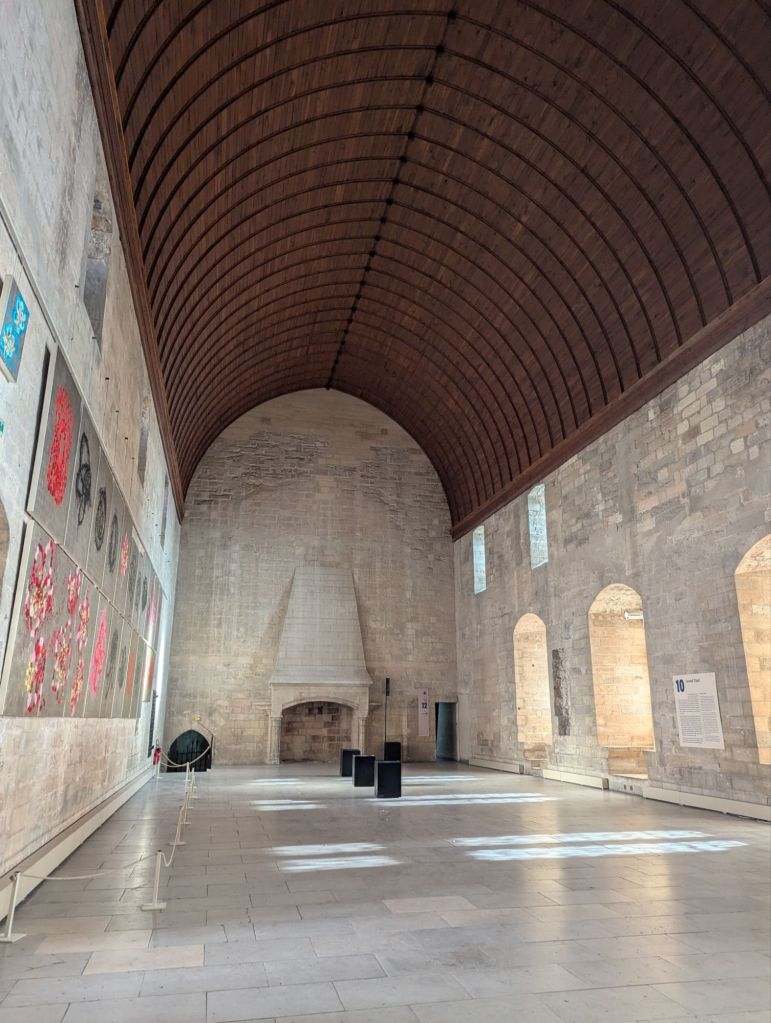
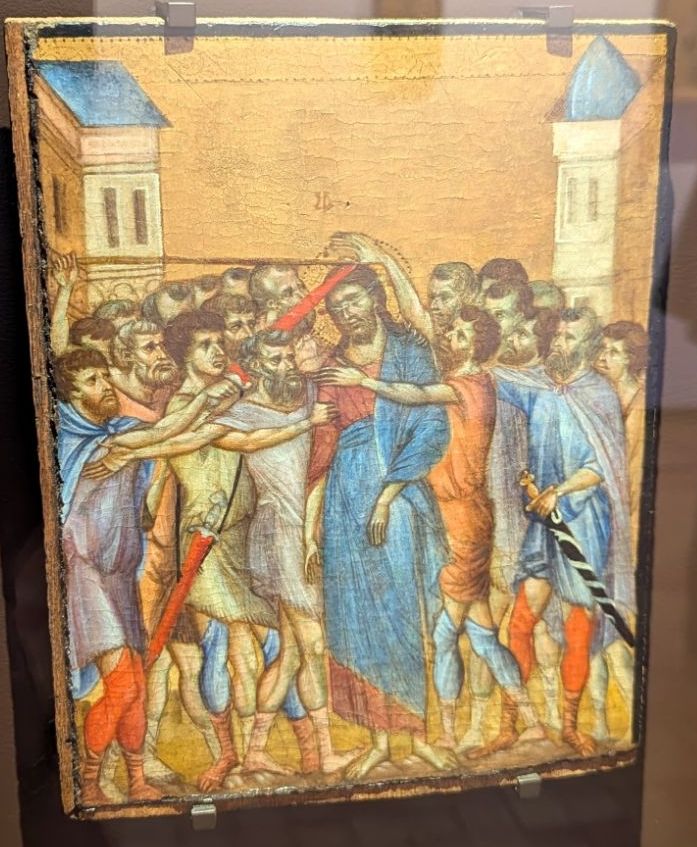
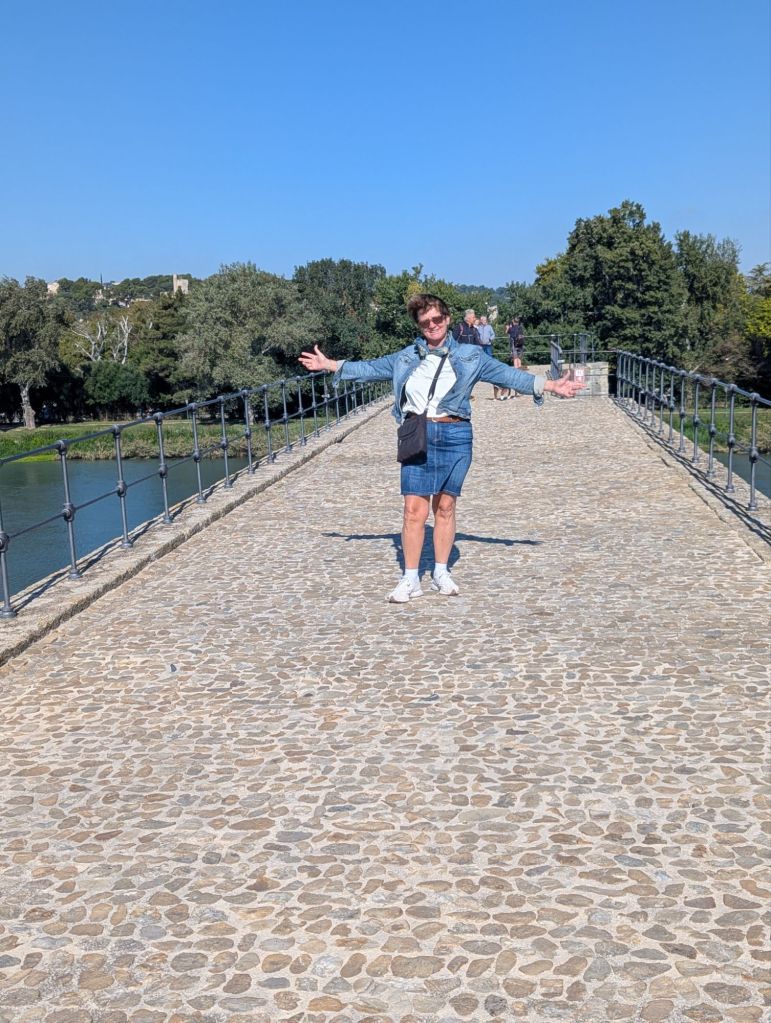
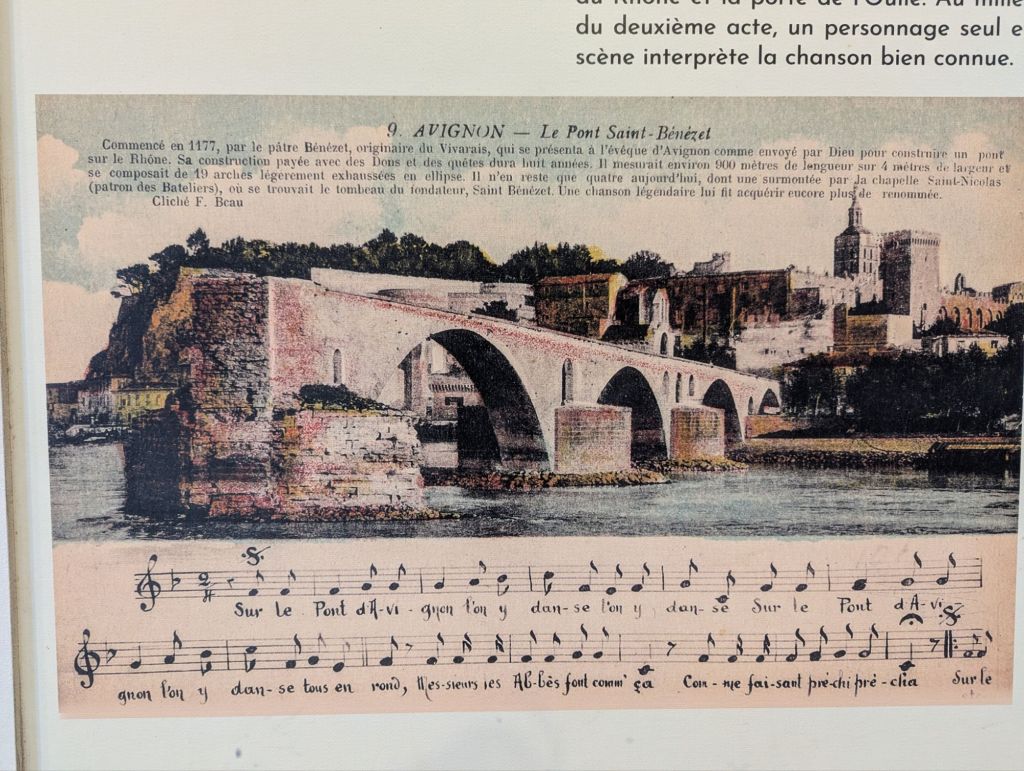
Olive groves appeared everywhere in Provence, along with grapes and limestone outcroppings. We stayed 2 nights at Domaine Manville, a golf/spa resort, and seriously considered just hanging there for our last day. We compromised and headed out to Avignon (45 min) for a half day of sightseeing, starting with the Papal Palace. In the early 14th century RC Popes lived here until it became politically/religiously expedient to return to Rome in 1377. From then, 2 anti-popes lived here until around 1400 when it was besieged. From then, it suffered during the Revolution, served as a prison, stable, military barracks until restoration began in the early 20th century. It’s a huge Gothic building but other than large rooms, there’s not a lot to see. Nearby is the Petit Palais, which houses mostly religious art from the 12-14th centuries. Cimabue was highlighted. Painting under a pseudonym in the 13th century, he is considered the father of Western art in that he started to add more life to his figures instead of the 2 dimensional static Byzantine art of the day. We also visited the Pont d’Avignon (aka Pont St. Benezet) built across the Rhone around 1177AD. Only 4 arches remain, but the children’s song about it is stuck in my head forever. Best. Marketing. Ever.
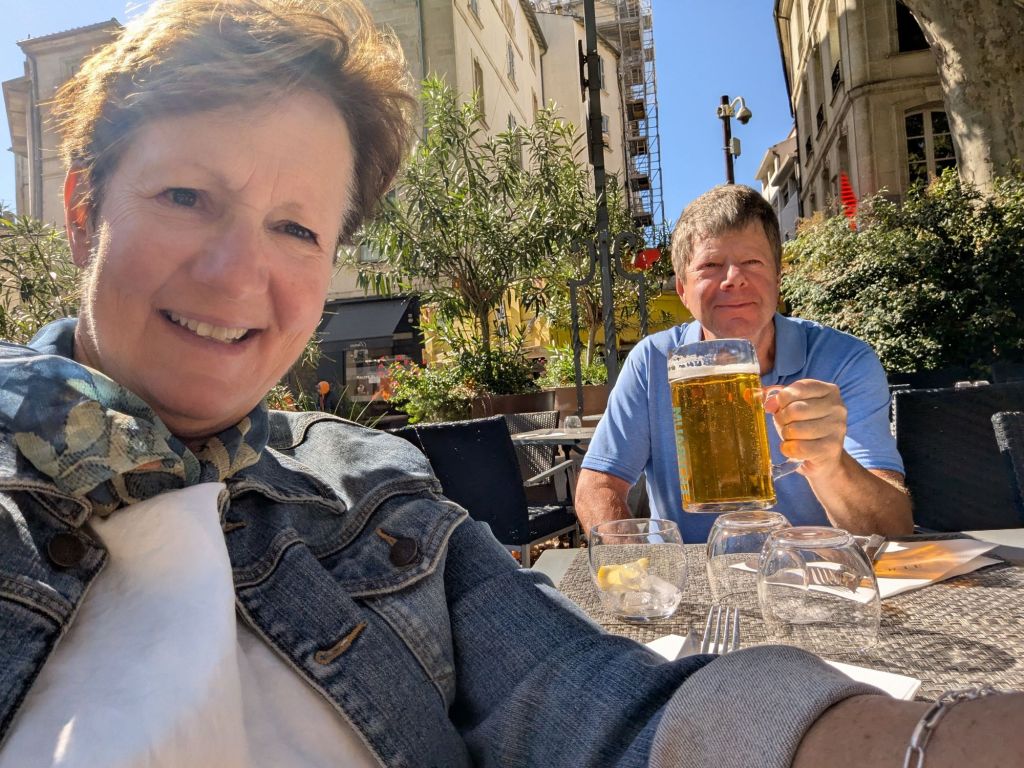
We had one last drink at an outdoor cafe, then returned to the hotel to sit by the pool. It was quite windy (the Mistral?). We also got to use the pretentiously large hot tub facilities here. And I also had a lovely massage. One last French dinner (sadly, no foie gras here at the hotel) and, hopefully, pending strikes and shutdowns will not delay our return home tomorrow. Abientot!
FYI: I packed a medium suitcase and one small backpack with: 1 pair jeans, black flowy pants, black narrow leg pants, navy (with polka dots!) capris, 4 sleeveless, 2 short sleeve, 3 long sleeve tops. 1 tee and shorts for workouts. 1 denim jacket, 1 rain/wind/cute jacket, 1 light black jacket, 2 yoga type polyester sweaters, black and white. 1 scarf. 1 black dress, casual. 1 long skirt. 1 denim skirt. 1 swimsuit. 4 pair socks, undies and bras (sink washed a few times). 2 pair sandals (could’ve used 1 pair), 1 pair sneakers. I had a broken baby toe still giving me trouble so I ended up wearing the sneakers 98% of the time. About 98% of the people we saw were wearing sneakers too. The weather prediction here was way less accurate than at home; typically it was 5 degrees cooler than predicted the day before so I could’ve used a couple more short or long sleeve tops instead of sleeveless. I saw the best dressed women (and men) in Paris otherwise everywhere else people dressed casually. But always with a scarf. I picked up 3 more scarves because they were cheap and fun and warm. And a beret.
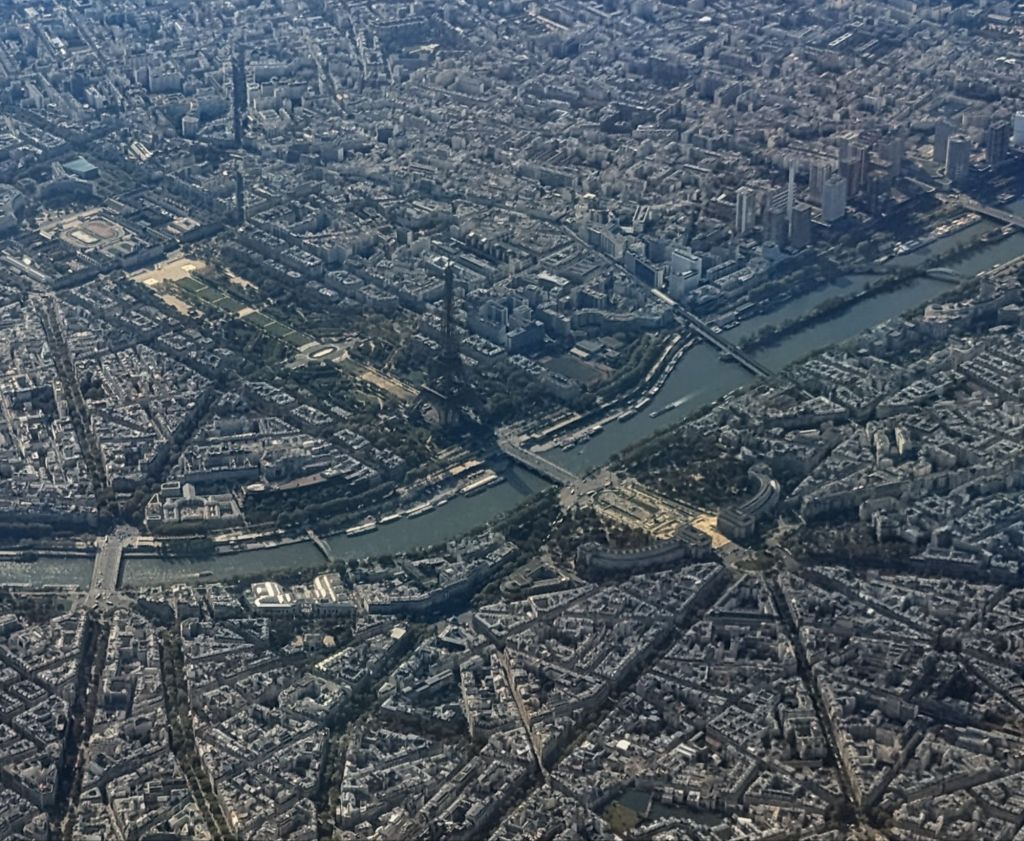
Be sure to get your Euros in smaller bills for tips (tho tipping is not expected, they are starting to ask). We didn’t need coins but once or twice for public toilettes. Mostly everything is credit card (not American Express). You tap up to $50Eu, otherwise insert card. We spent quite a bit on parking and tolls. I hope you enjoyed reading these blogs or at least you’ve gained more trivia for your Jeopardy arsenal, Dan.
Here’s a link to an excellent article on travel: https://vegoutmag.com/travel/n-ive-been-a-solo-female-traveler-for-5-years-heres-what-i-wish-id-known-before-my-first-trip/
Update: arrived home safely, no difficulties.
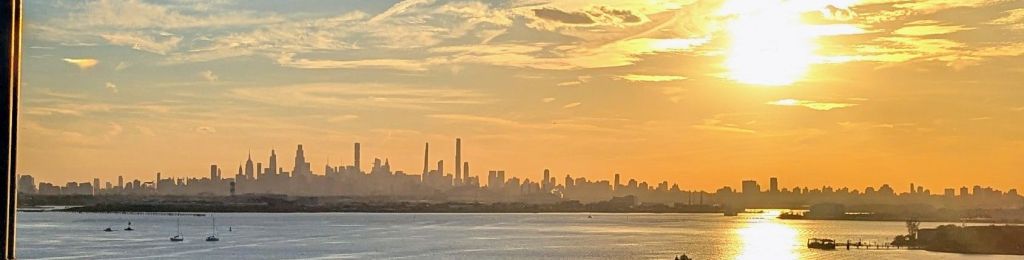

 My new reality