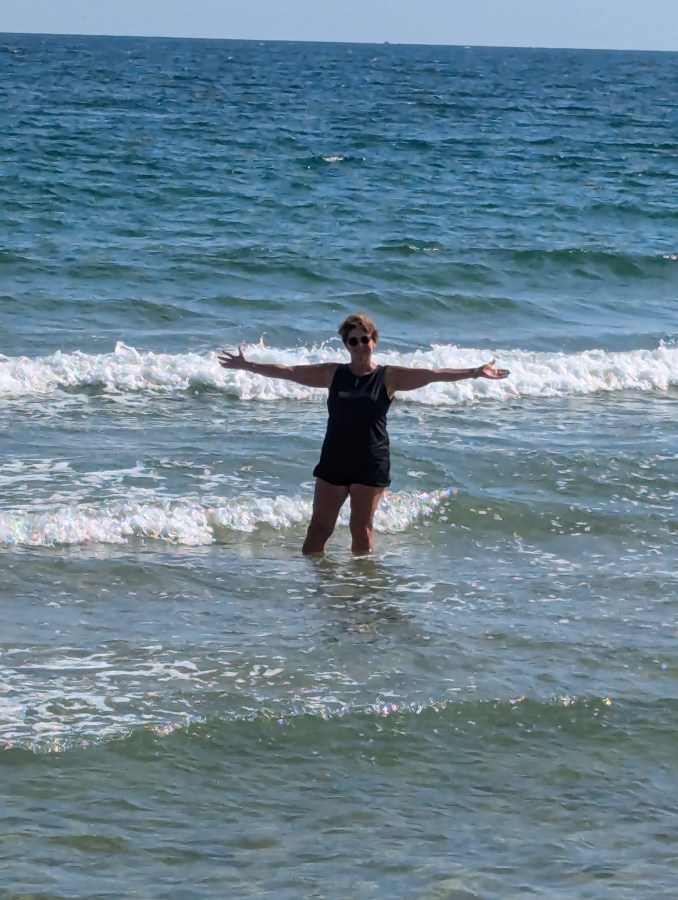
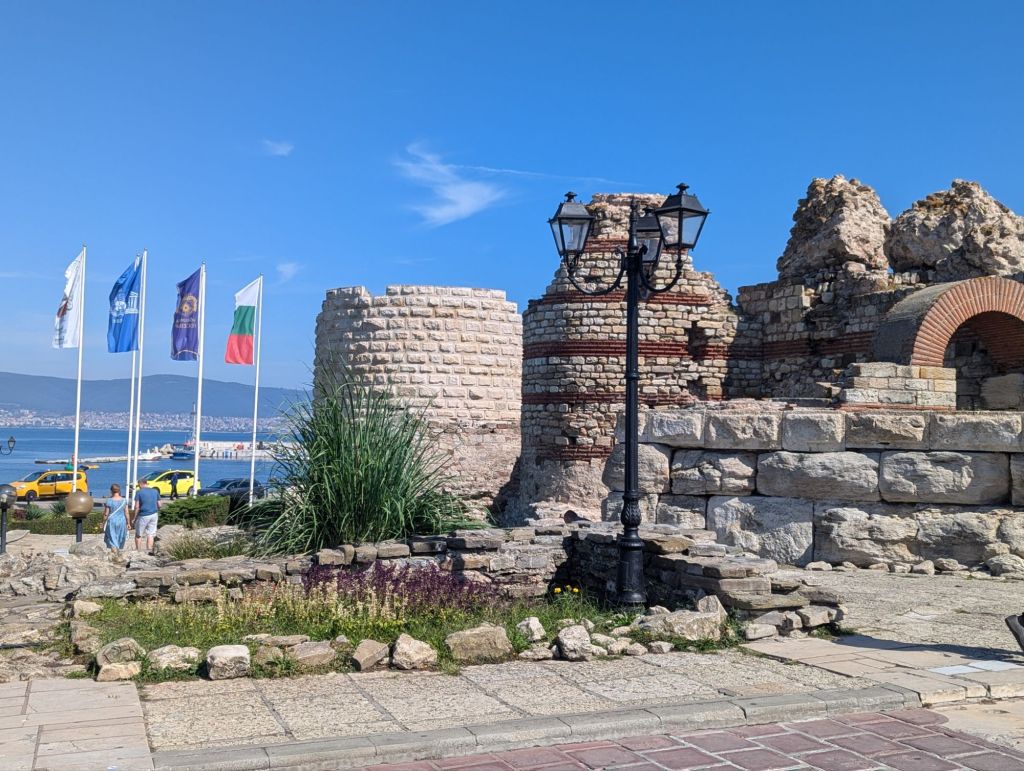
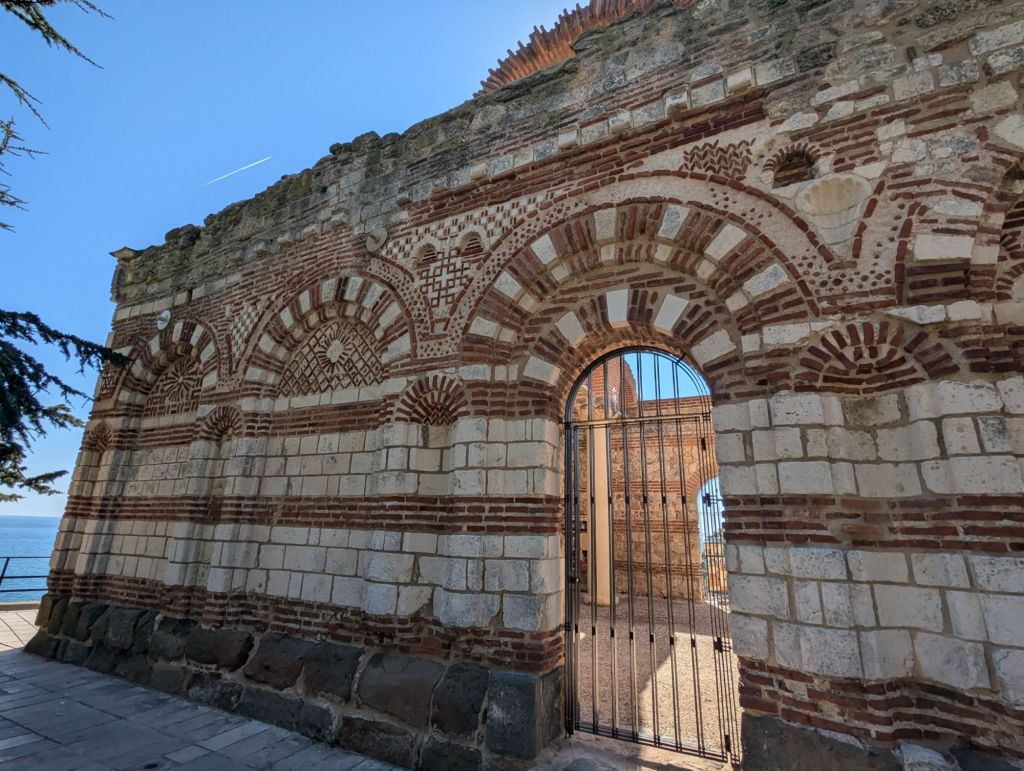
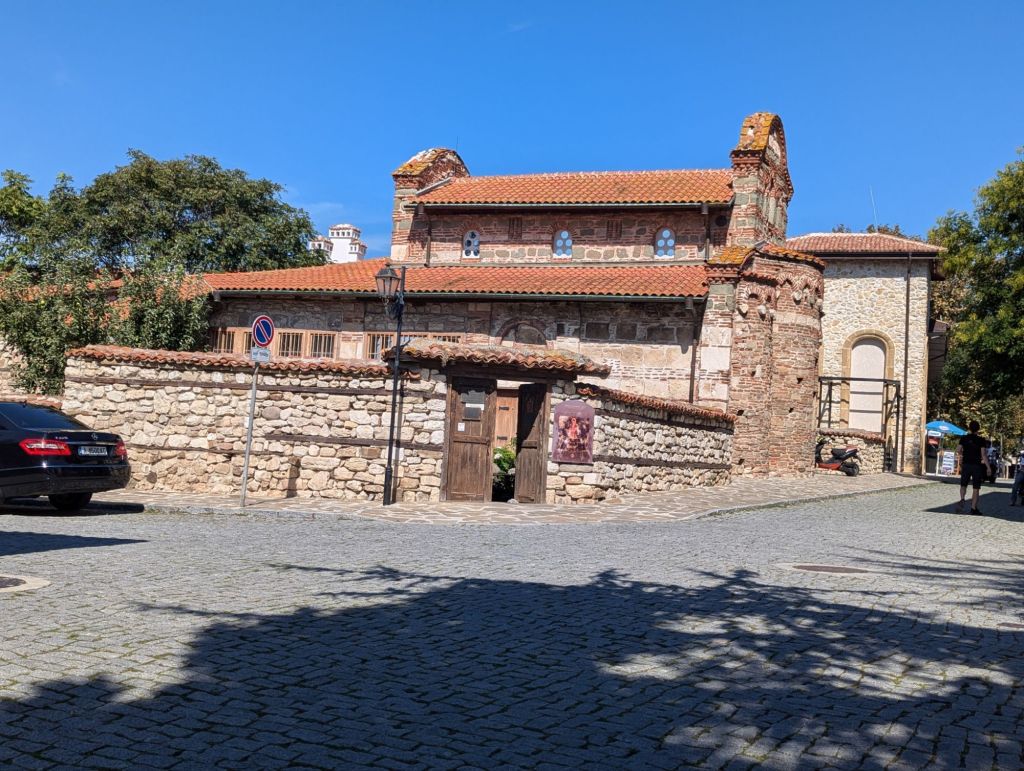
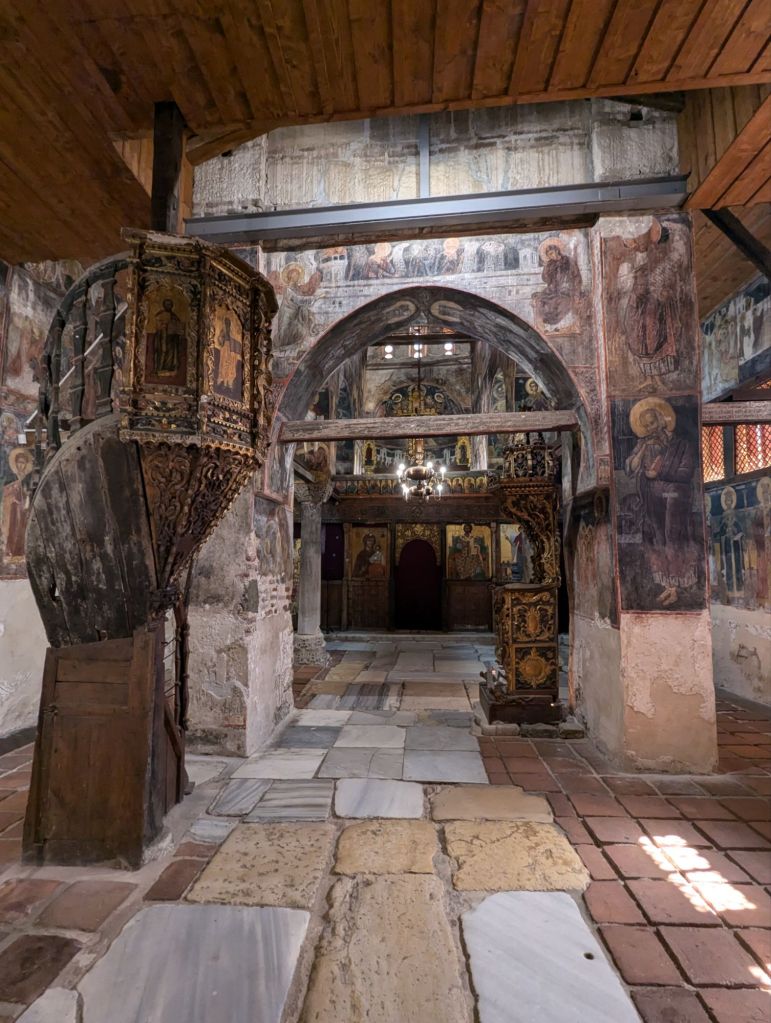
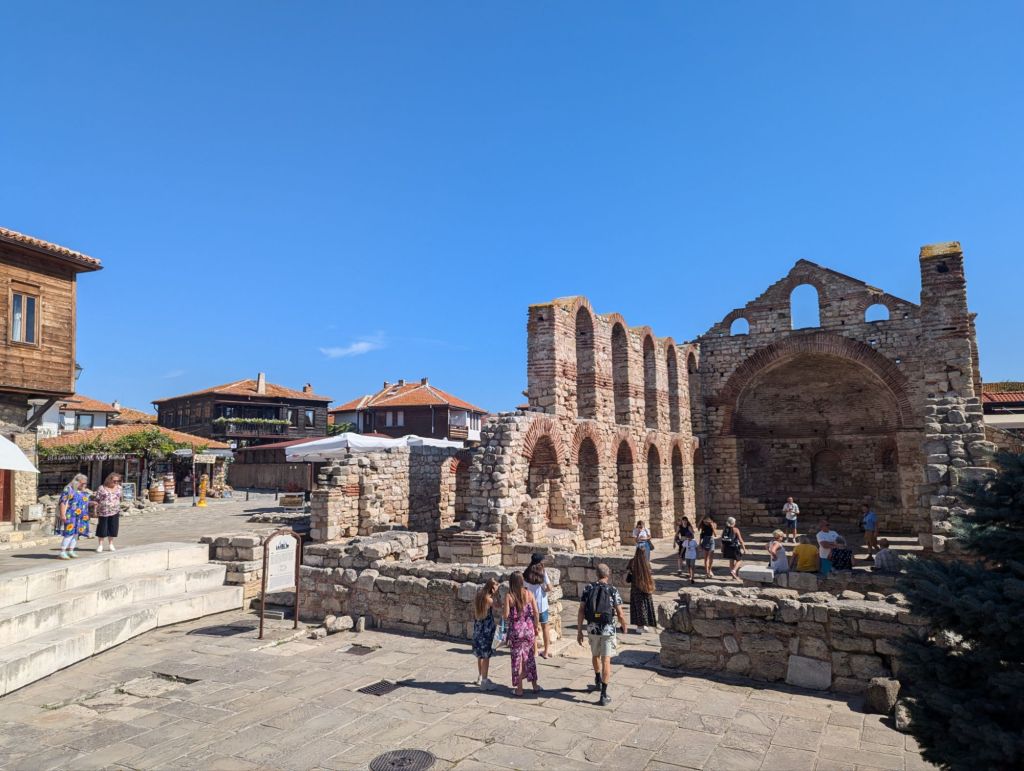
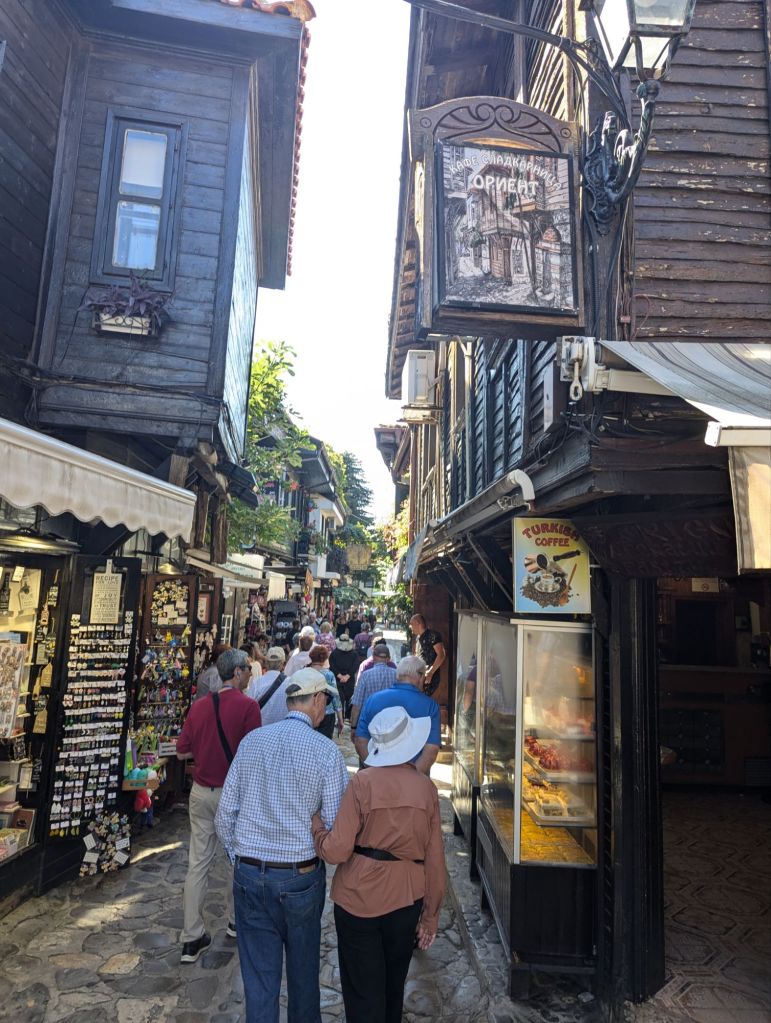
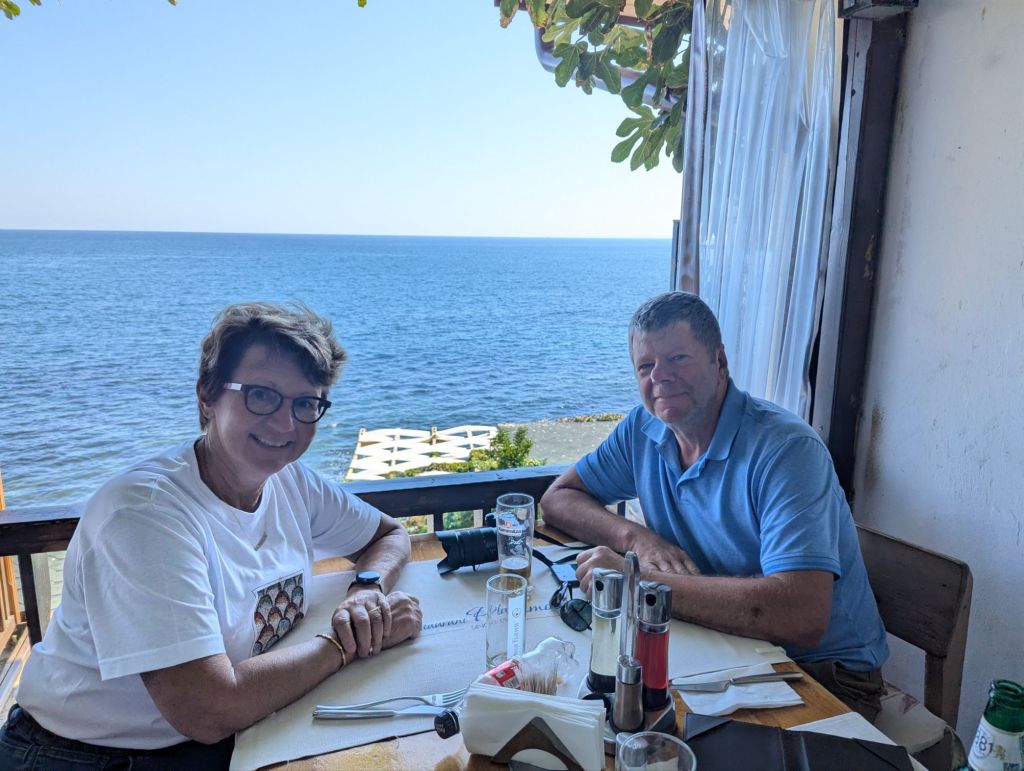
The weather has been splendid, sunny and in the 70’s to 80’s in Bulgaria in September. After visiting Sofia, Rila and remarkable Plovdiv (https://retirementadventureblog.com/2024/09/27/bulgaria-i-sofia-rila-and-plovdiv/) we headed east to the Black Sea. Our 3 hour drive (nap time!) took us to Nessebar, a seaside resort. The old town sits on a peninsula jutting out from the city with its high rise hotels and water parks. This cobble stoned, quaint little gem is surrounded by beaches and is dotted with many little churches, most in ruins, from the 10th century on. Otherwise there were abundant vendors offering gelato, souvenirs, leather items, and beautiful pastries. I had my first “taste” of the Black Sea, dipping my toes in the clear blue water. We wandered through the tiny old town then enjoyed lunch with another couple at a restaurant overlooking the sea with sailboats gliding by in the distance. Then onto Varna, our next destination.
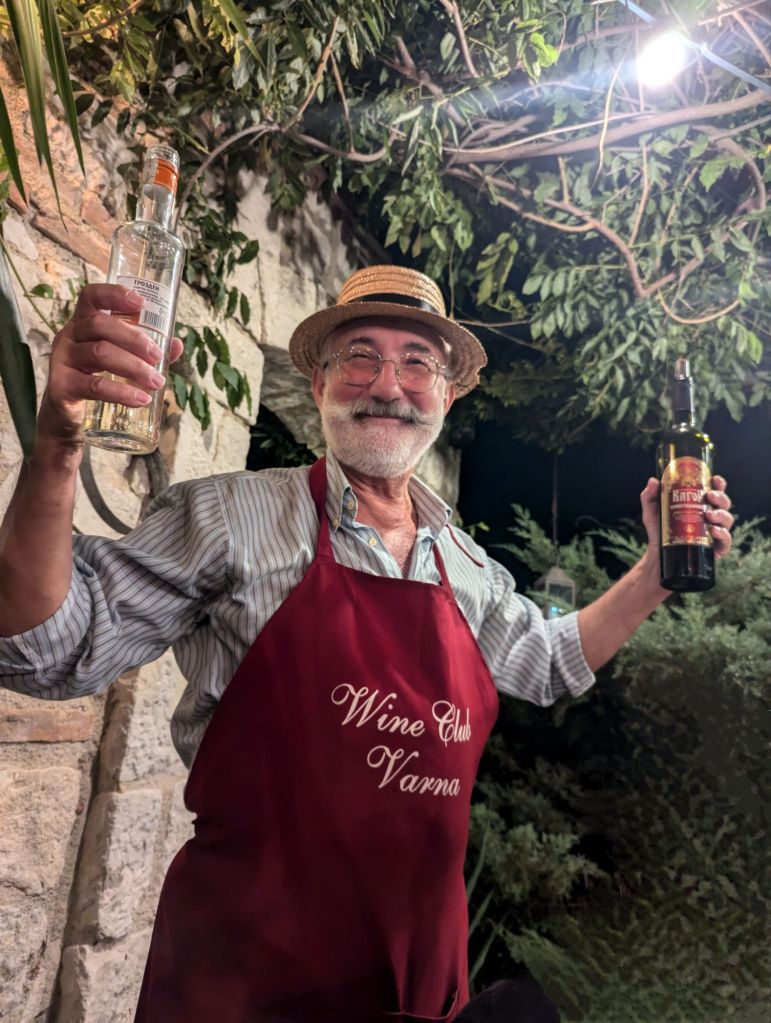
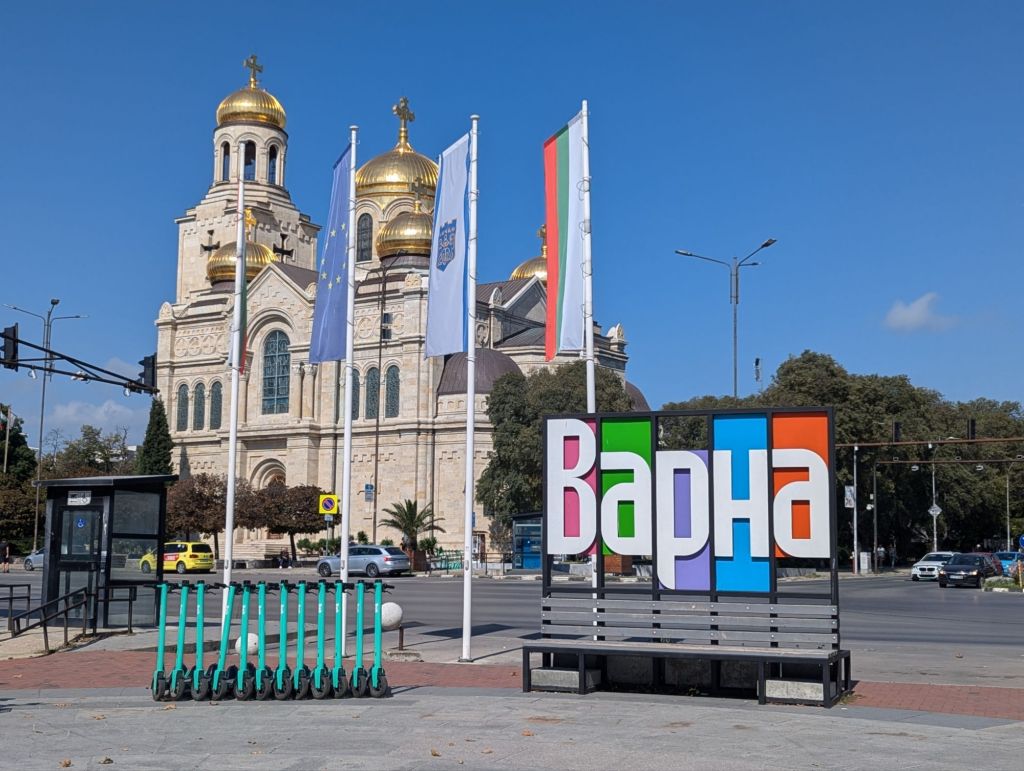
Back on the bus we traveled almost 2 hours over the Balkan mountains to Varna. Varna is another Black Sea coastal city, the largest Bulgarian port and also a seaside resort. Shortly after arrival we headed to dinner at a wine club in the city’s outskirts. The charismatic homeowner, Dima, presented a wine tasting dinner in a Tuscan/Bulgarian fusion villa. We dined under wisteria vines on healthy garden fare and grilled meats: chicken, veal, sausage, seasoned with Bulgarian spices and accompanied by wines: white, rose, and red, all fermented from a single type of grape-the Mavrud grape. I enjoyed the dry white and the red. More Rakia was served (and poured out) but the antics of the host made for a memorable evening.
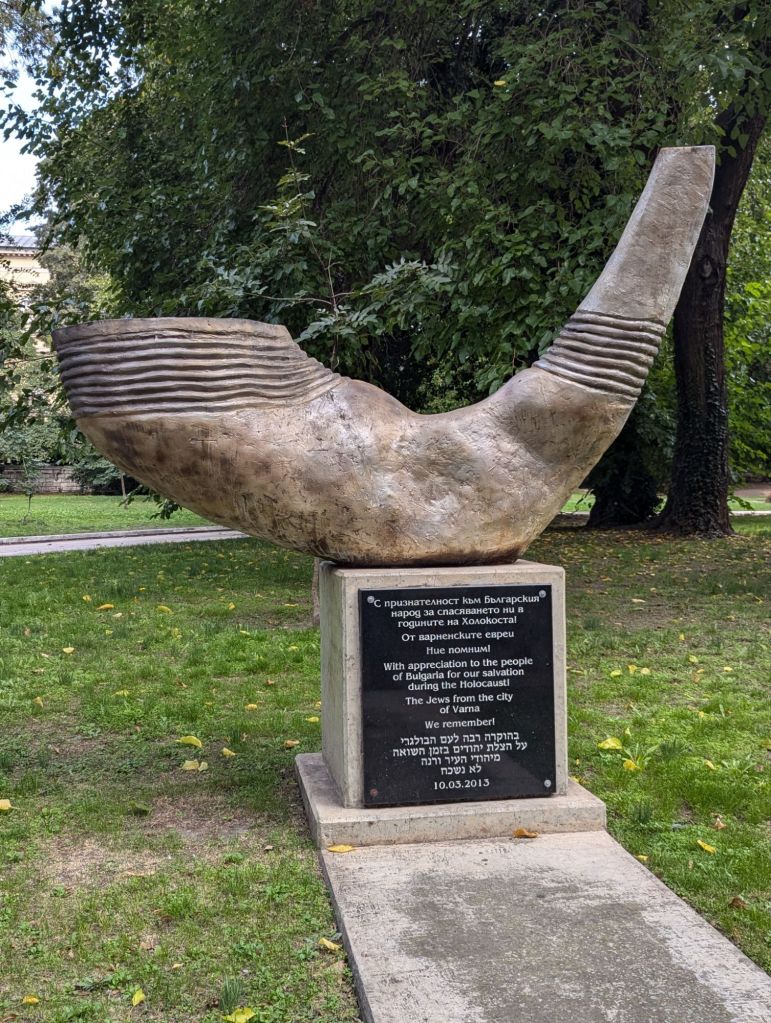
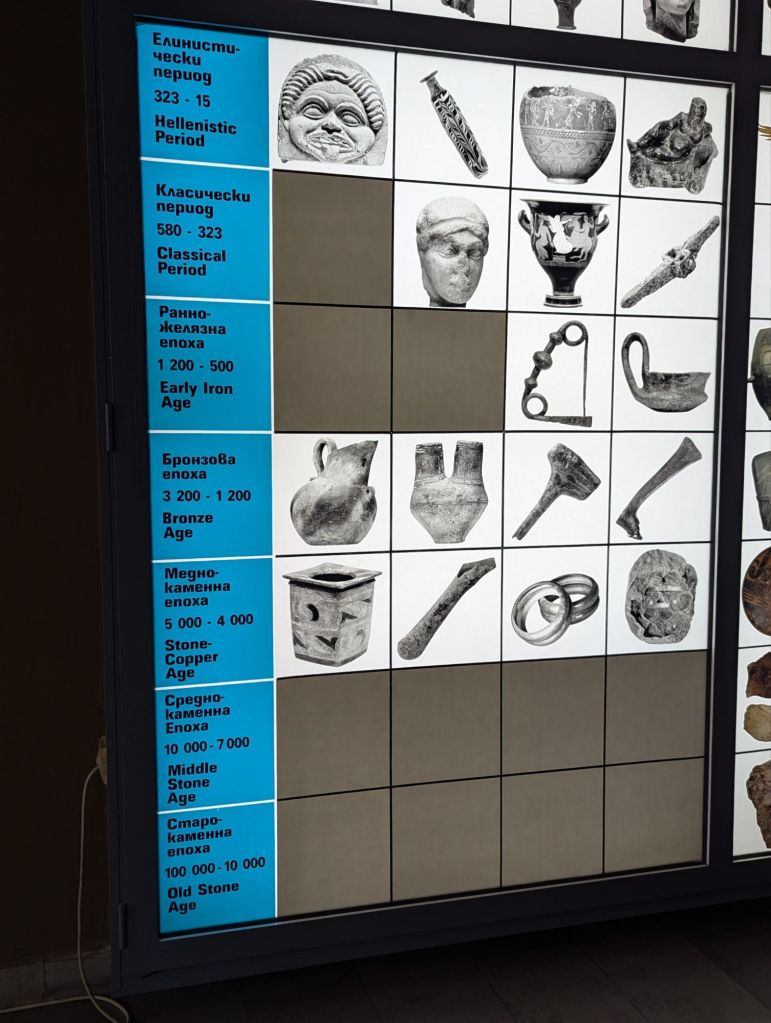
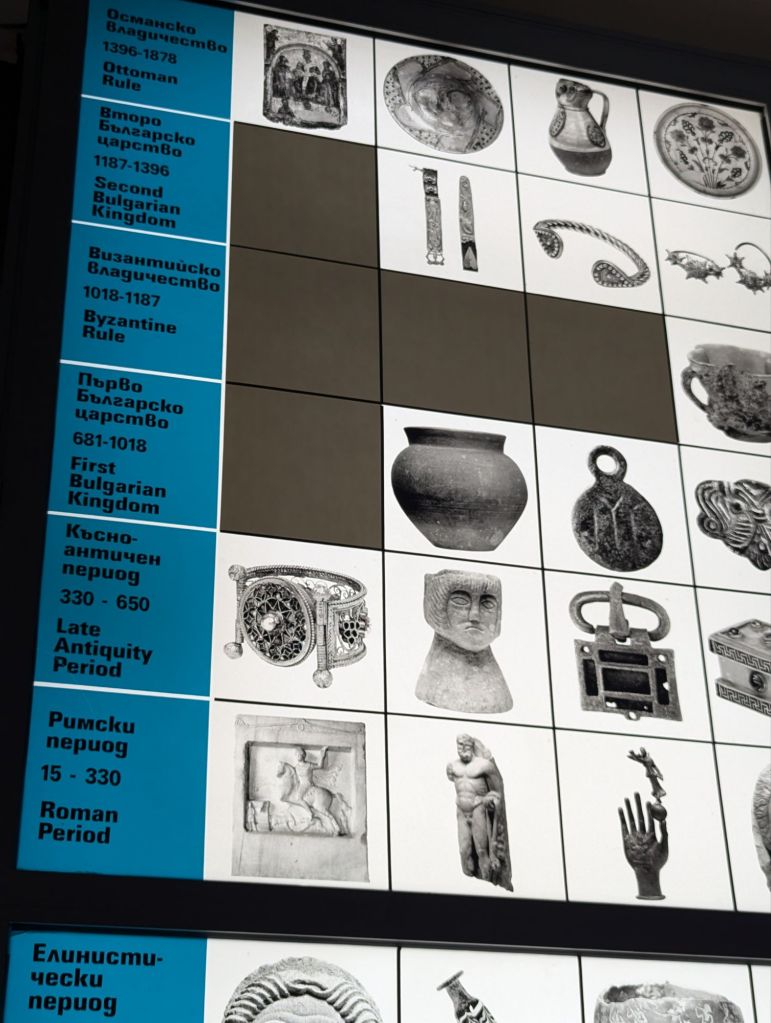
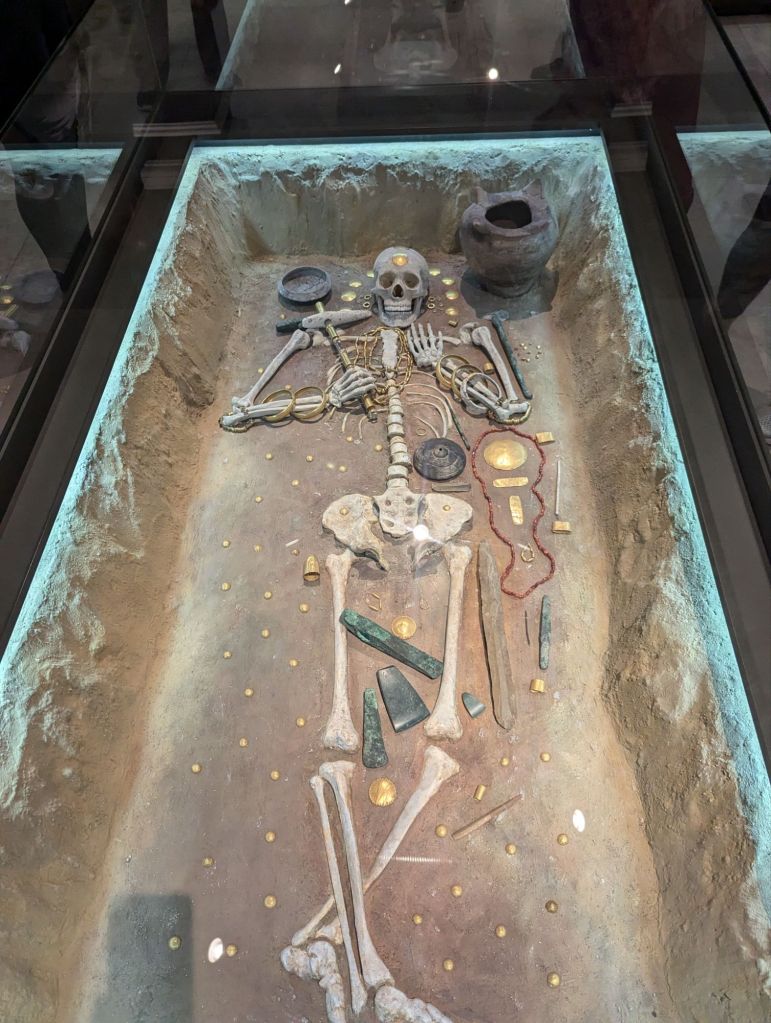
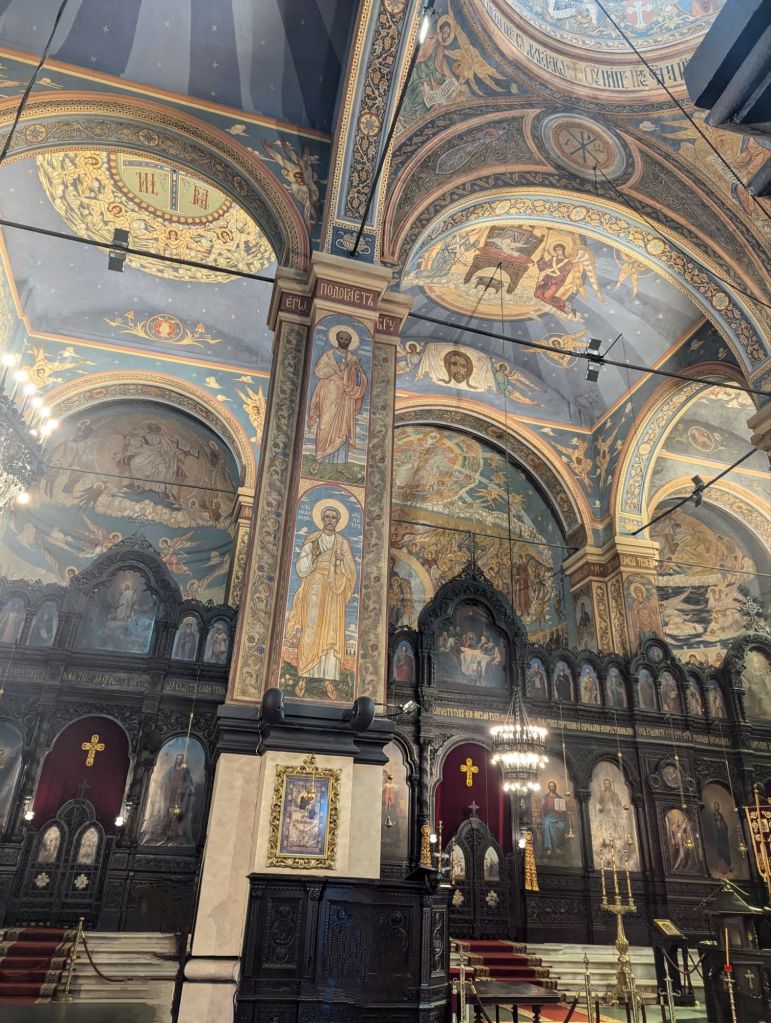
Our full day in Varna we spent touring and wandering, as usual. First we had a tour of a few significant monuments in a park, notably a monument expressing gratitude from the Jewish community to the Bulgarian people for refusing to send anyone to the concentration camps. King Boris III and the Bulgarian population in general intervened. King Boris was shortly thereafter poisoned but the culprit nation has never been identified. (You may recall he was buried in the Rila Monastery church, then his body was stolen.) We visited the Archeological Museum with its remarkable exhibits of Bulgarian human occupation from 5 millennia BC to more recent times. The highlight was the gold jewelry and burial gifts from a gravesite of 4500BC. The craftmanship of jewelry, pottery, and weapons from millenia before Christ was something to see. We then had a short visit to the St. Sofia Cathedral with its shiny gold domes but only briefly since a funeral was to be held within minutes of our arrival. That would’ve been a little too much cultural immersion.
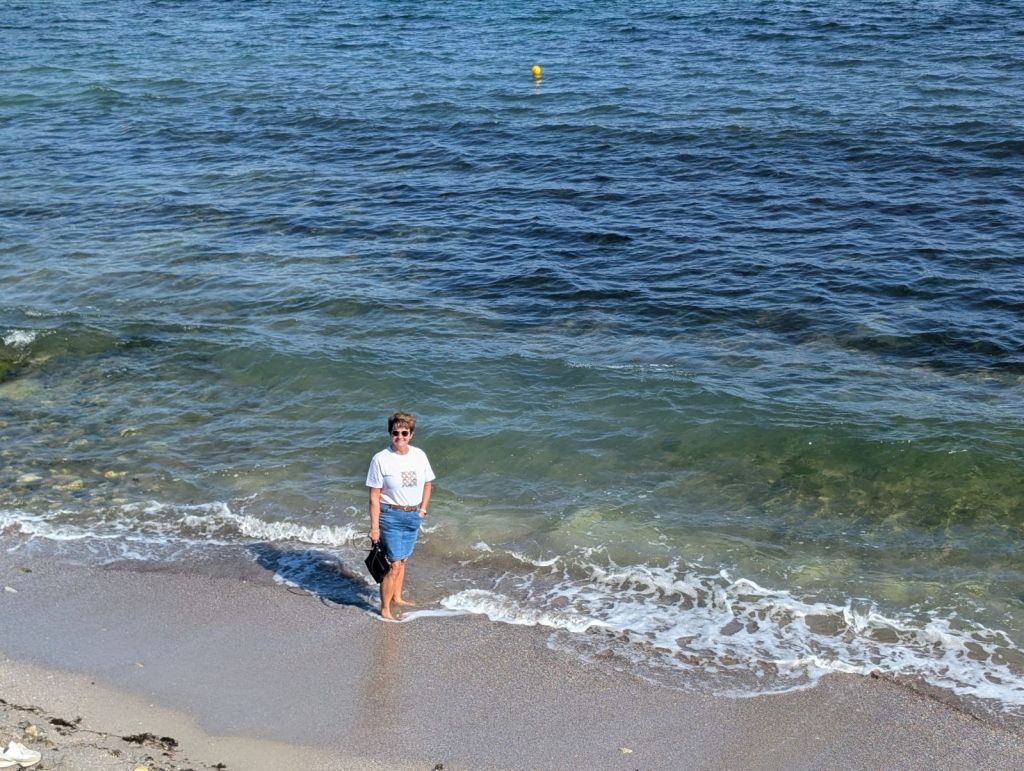
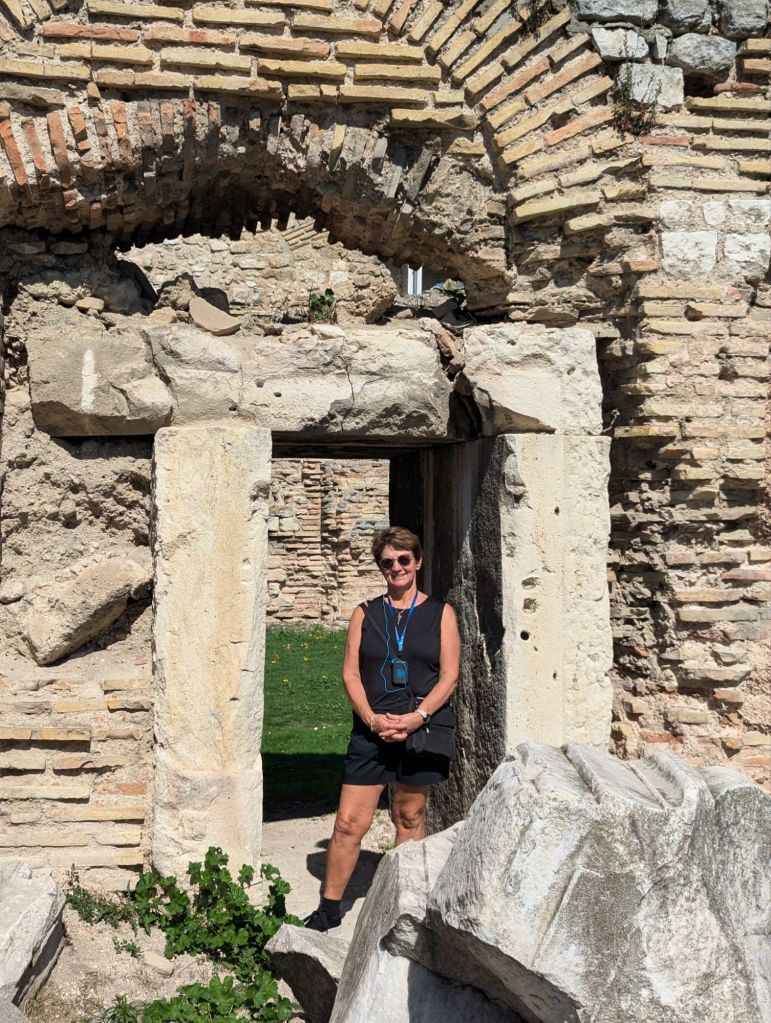
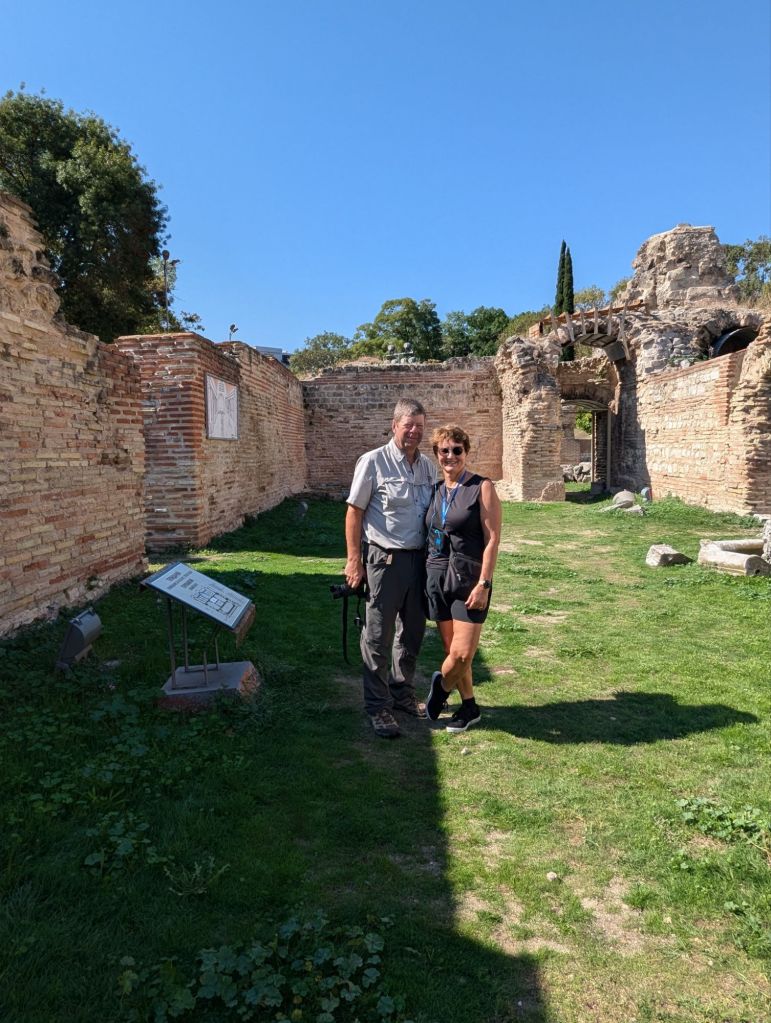
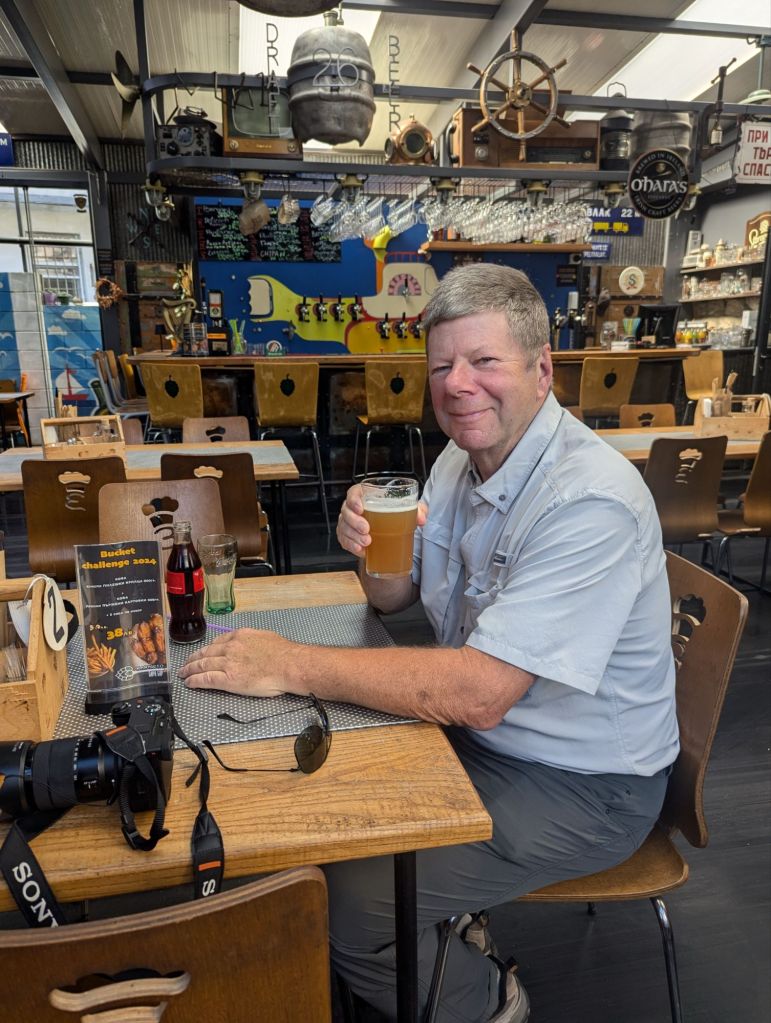
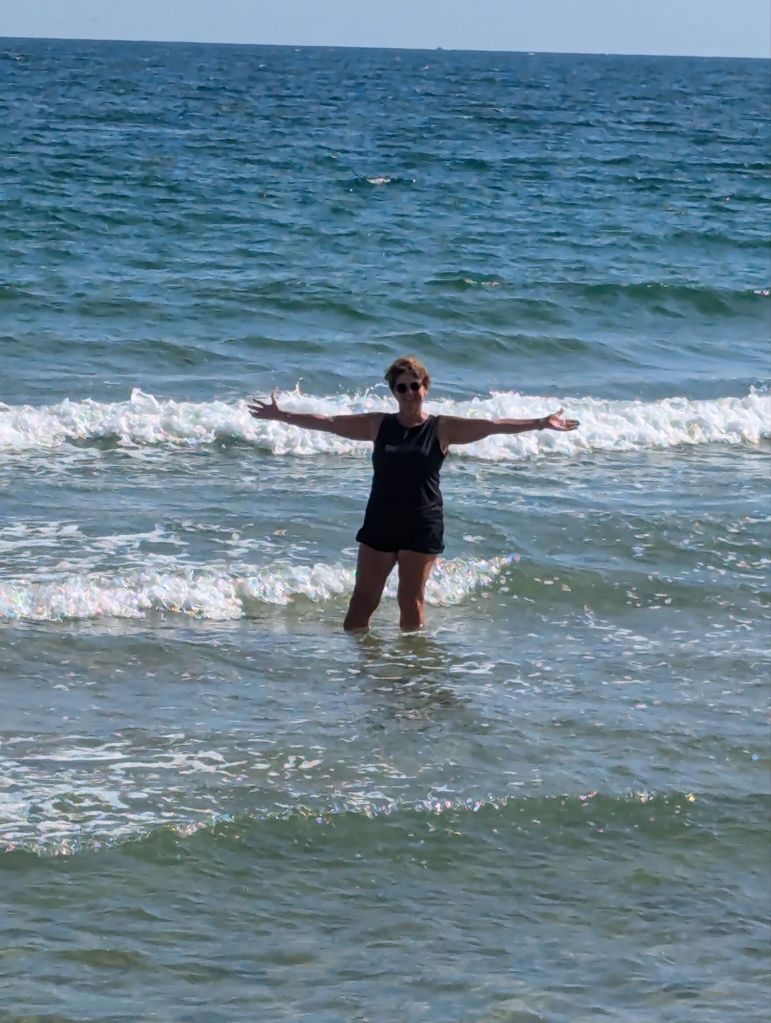
We next visited the Roman thermae or baths. We walked among large ruins of fridgedarium, tepidarium, and caldarum pools the wealthier Romans would have used. After our tour the group split up for the afternoon. Greg and I headed for a local brewery bypassing popular sidewalk cafes for the Key bar in a slightly rougher part of town. Greg got his IPA fix and we had a little lunch. Afterwards we meandered through the trendy shopping district towards the beach area for a little wading. We walked throughout the Sea Garden, a seaside green park with monuments, walking boulevards, and playgrounds. Dinner was back on the beach at the Seaside Terrace for more Bulgarian fare, especially seafood. Fun fact: The Black Sea is very deep yet only the top 100 ft or so is inhabited due to the high concentration of Sulfur Dioxide in the deeper waters. Future Jeopardy question?
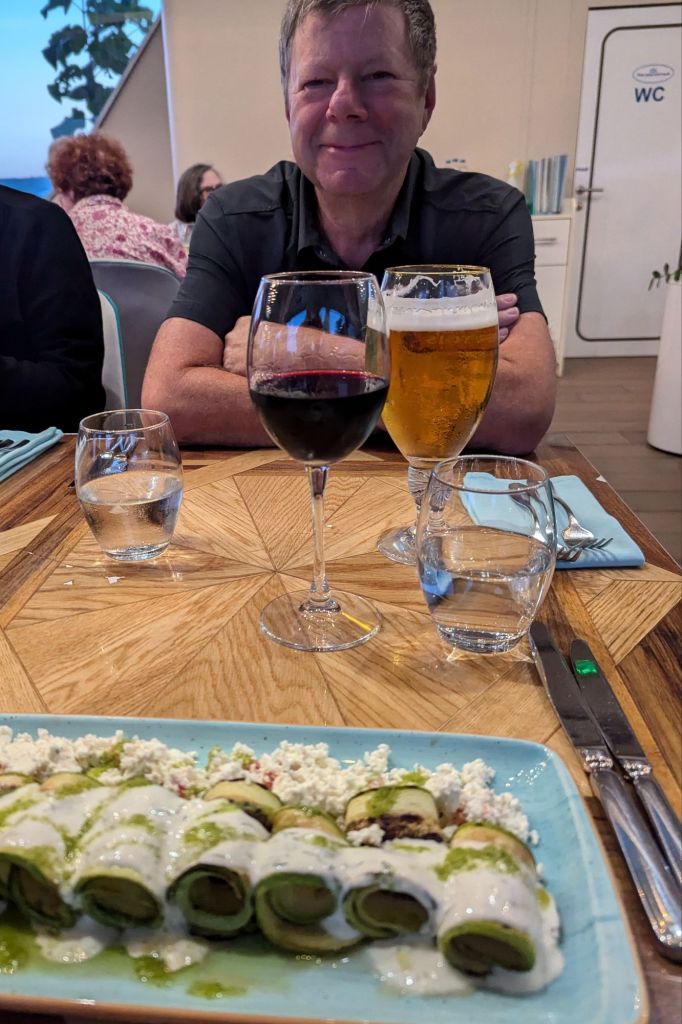
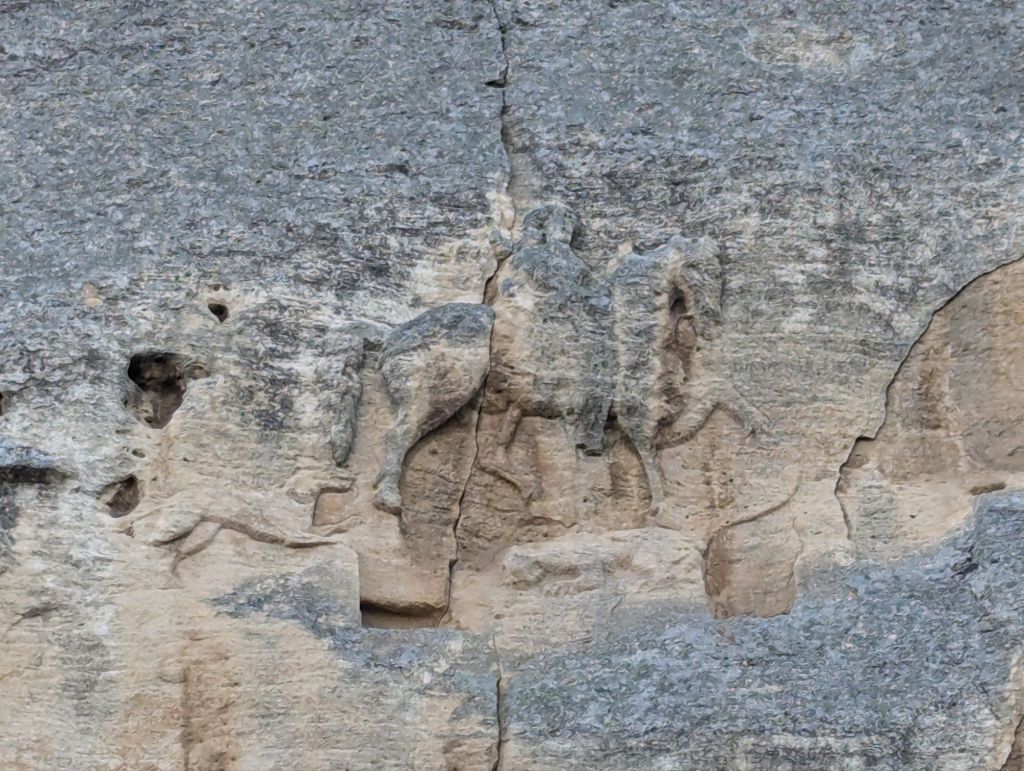
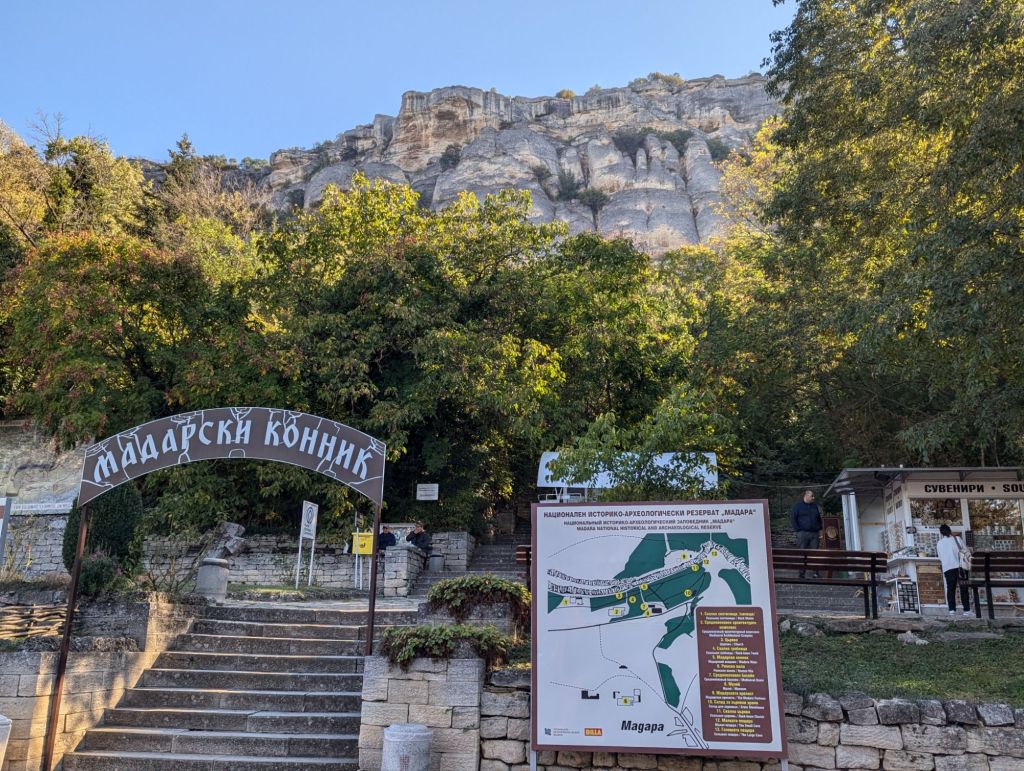
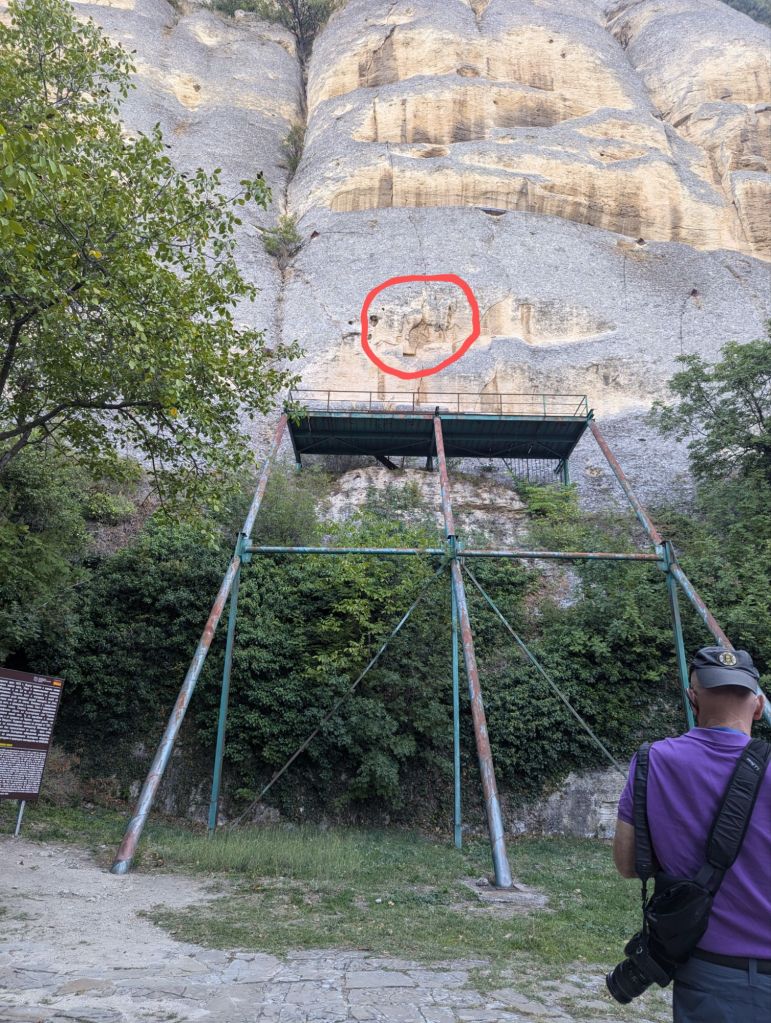
Our last day in Bulgaria we headed northwest to the Danube to the border crossing to Romania, a bus ride of several hours. On the way we stopped at 2 interesting sites: the Madara Horseman and the Thracian Royal Tombs. The Madara Horseman is a bas relief carved into the limestone cliffs around Madara. The scene depicts a horseman spearing a lion accompanied by a dog. The carving dates to 700-800AD to honor Bulgurs (the horseman) who defended the area from Arab invasion (the lion). The carving has some inscriptions which enable dating. There are around 200 steps up to the viewing area and the carving is more than a few meters higher up on the cliff. After further driving we stopped at the Thracian Royal tombs.
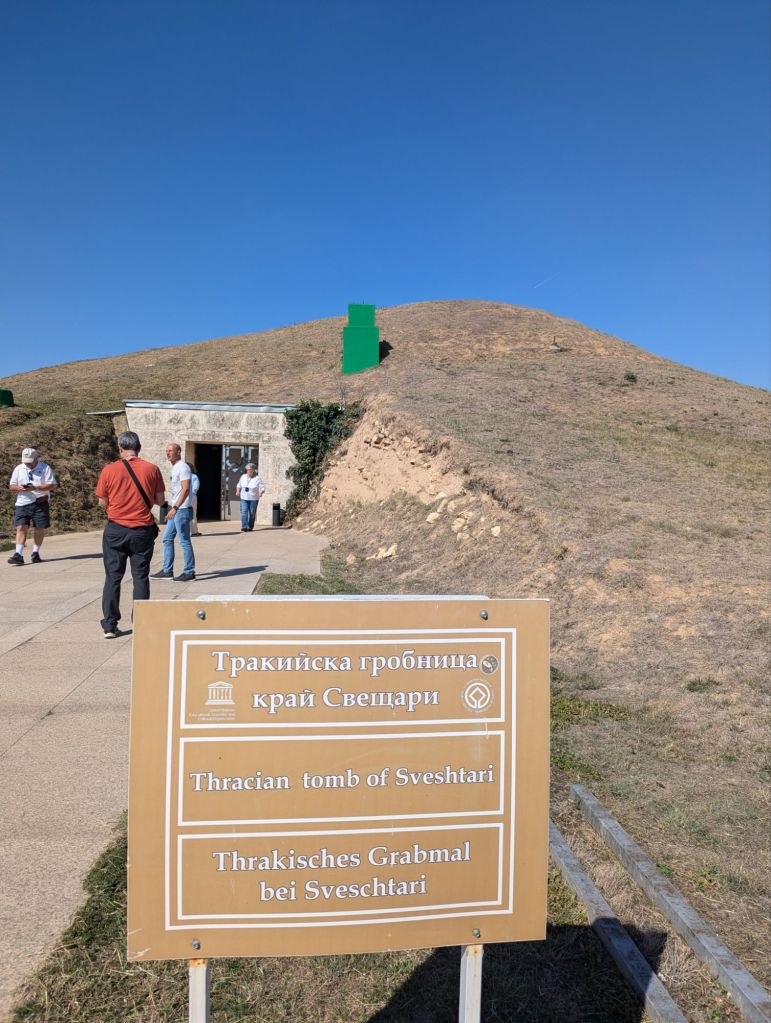
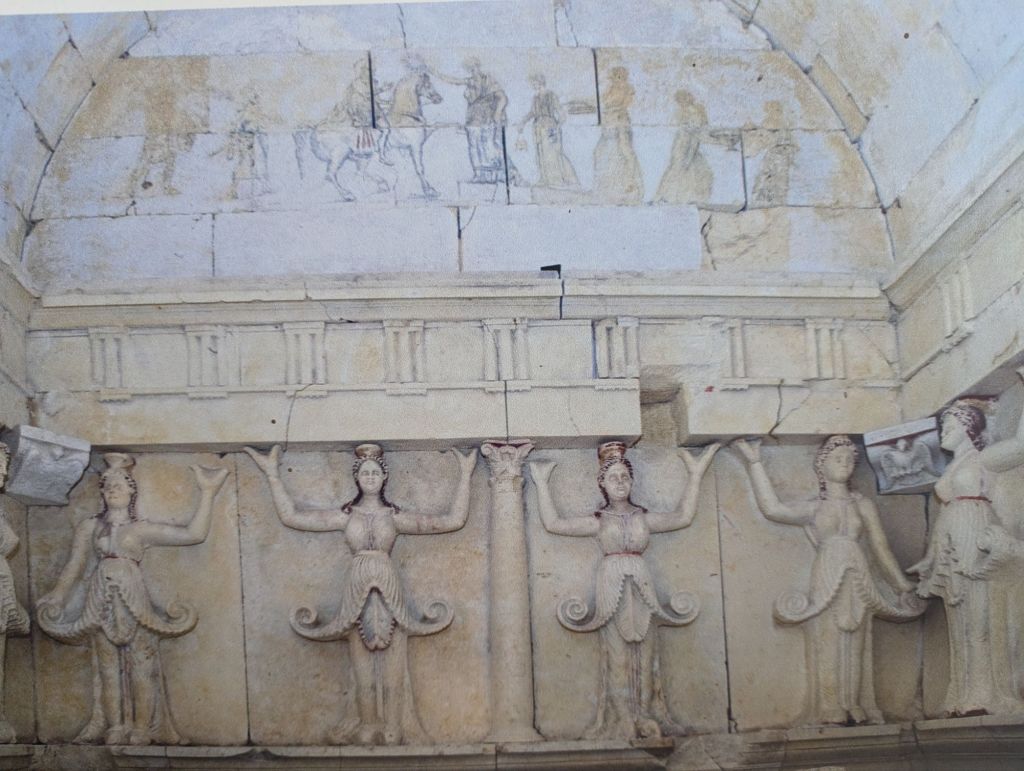
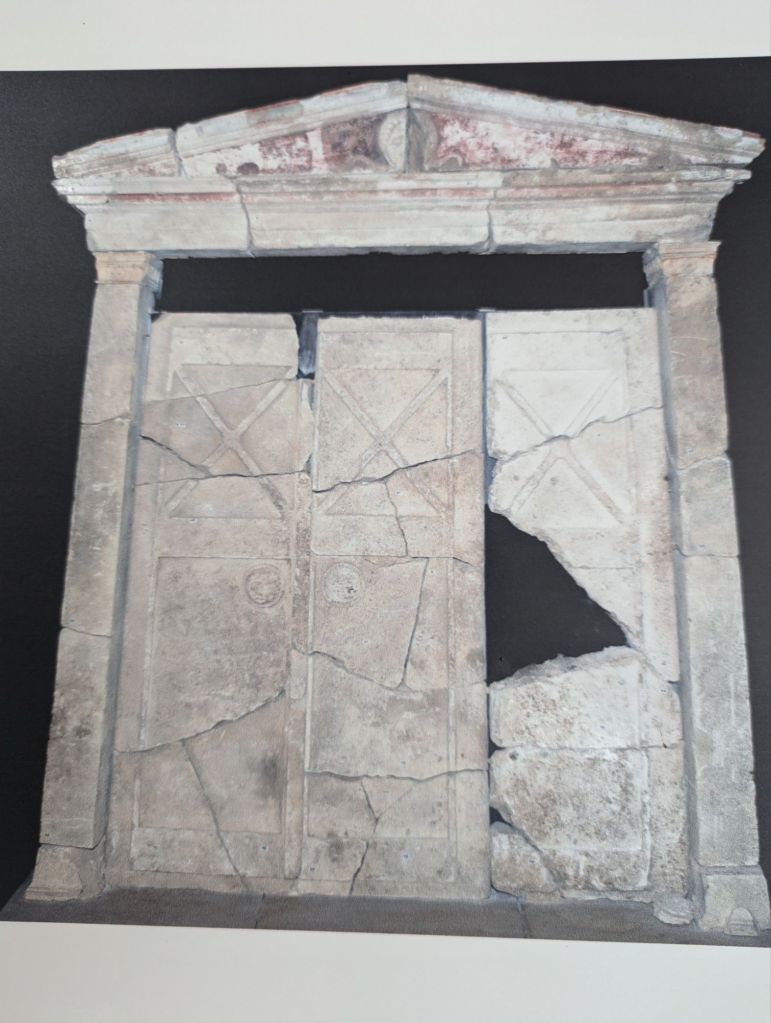
Another 1.5 hours of driving took us to the Thracian Royal Tombs, an amazing 3rd-4th century tomb of a local Thracian king or chieftain. The tomb was buried under a huge mound of dirt and only excavated in the 1980’s. About 60,000 such mounds exist around Bulgaria but only 200 or so have been excavated. Many are empty, making this remarkably detailed tomb rather interesting. It is located in the agricultural middle of nowhere.
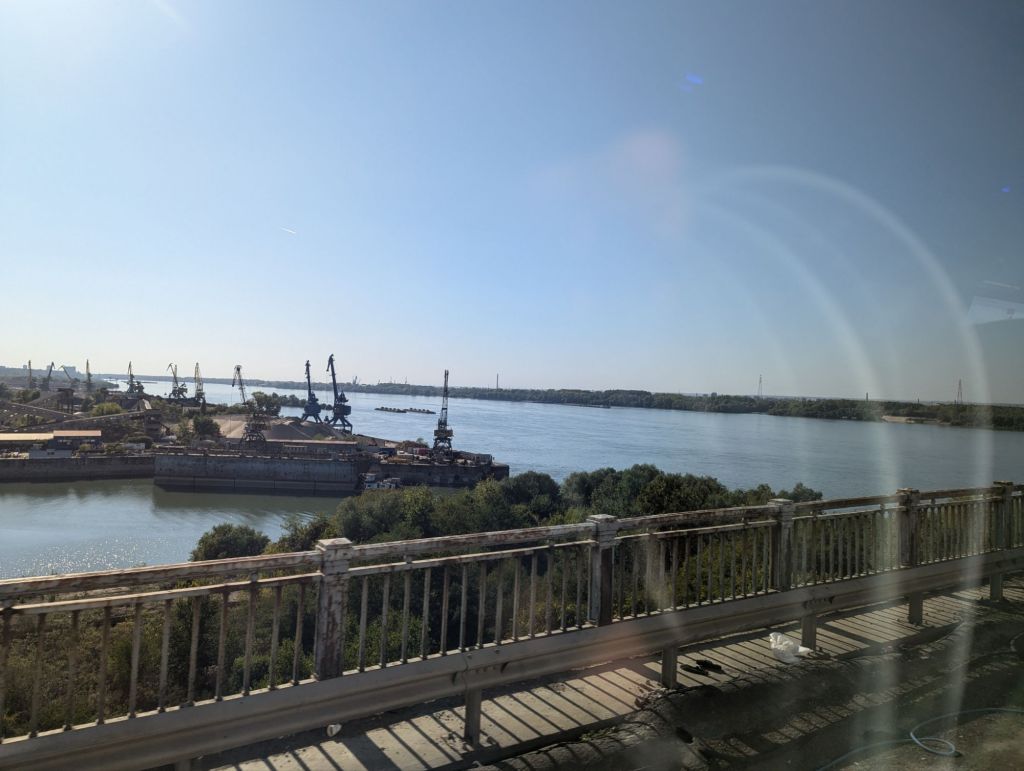
We’ve been in Bulgaria a full week and next we headed north to cross the Danube at Ruse. We lunched in Ruse and other than it’s significance as the largest Danube port in Bulgaria, we didn’t stay for long. The Danube is the natural border between Bulgaria and Romania. The river was exceedingly high but the bridge was higher. We lucked out with an easy immigration and bridge crossing and continued on to Bucharest, our next destination, Romania!
More info on Bulgaria:
A few pronunciations of common words in Bulgaria:
Dobro uttro = good morning. Dobre = good. Zdravey = hi. Obychamte = I love you. Blagodarya = thank you. Don’t forget to roll your “R’s”!
More trivia:
The Cyrillic alphabet was based on the Glagolithic alphabet developed by Sts. Cyril and Methody (brothers) around 800AD. St. Cyril convinced the Pope to include Cyrillic as a ‘holy’ language beside Hebrew, Latin, and Greek. Around 250 million people use Cyrillic (which has been modified over time).
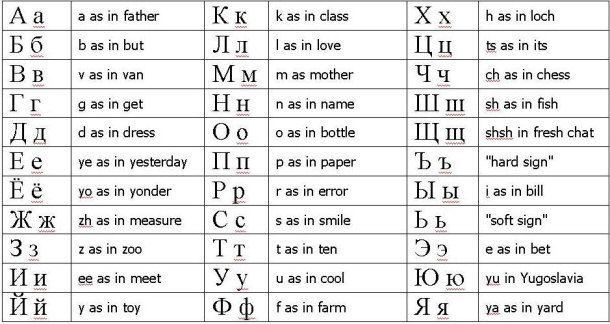

 My new reality